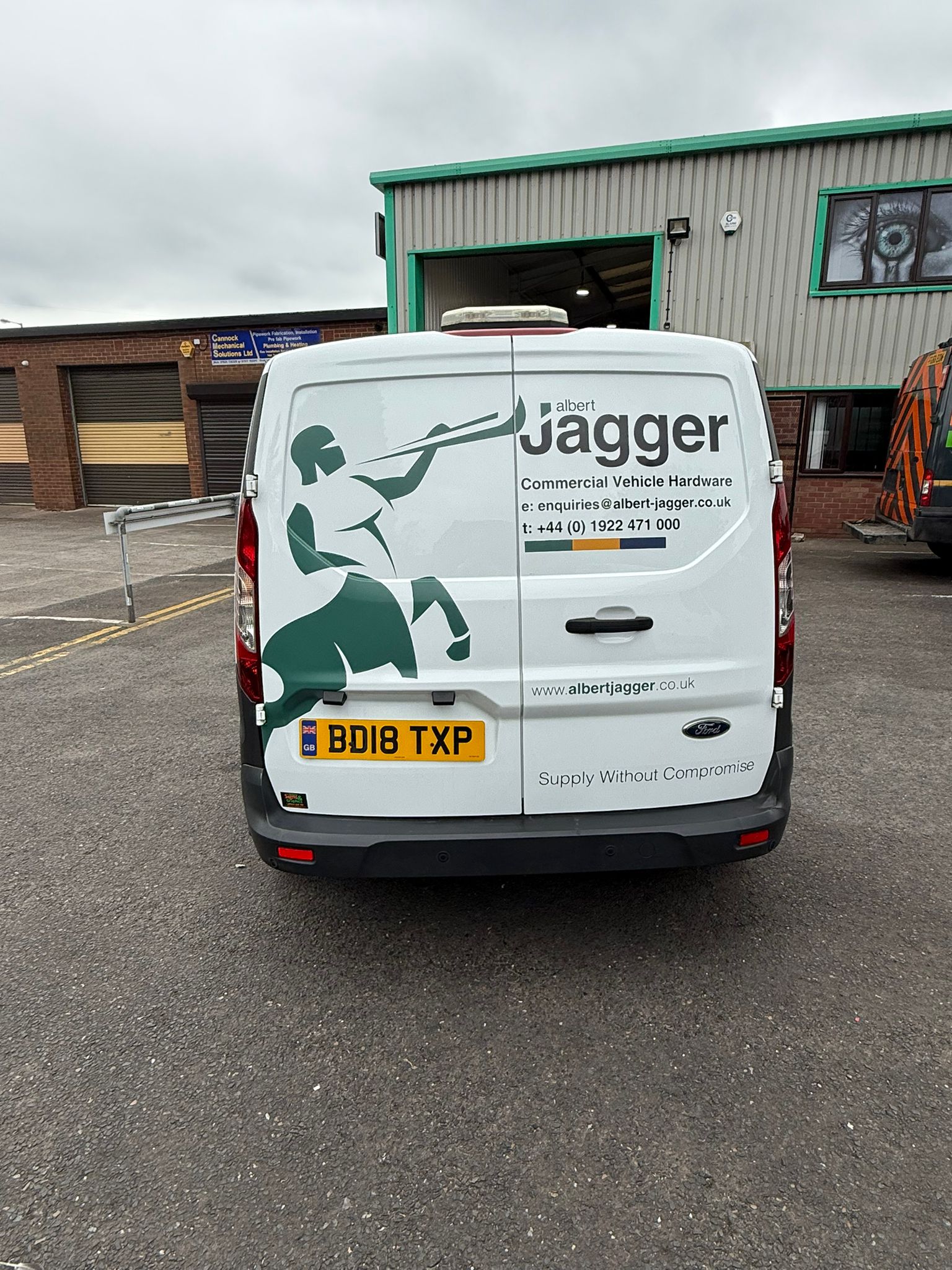
Vehicle graphics and wraps: what really determines durability and finish quality
Most vehicle wraps look great at first—but months in, the colours fade and edges lift. If your branding depends on consistent fleet graphics, understanding what controls vehicle wrap durability is essential. We’ll explain the key technical factors behind finish quality and how Midland Signs’ in-house production and installation standards keep your vehicles looking sharp for longer.
Factors Affecting Vehicle Wrap Durability
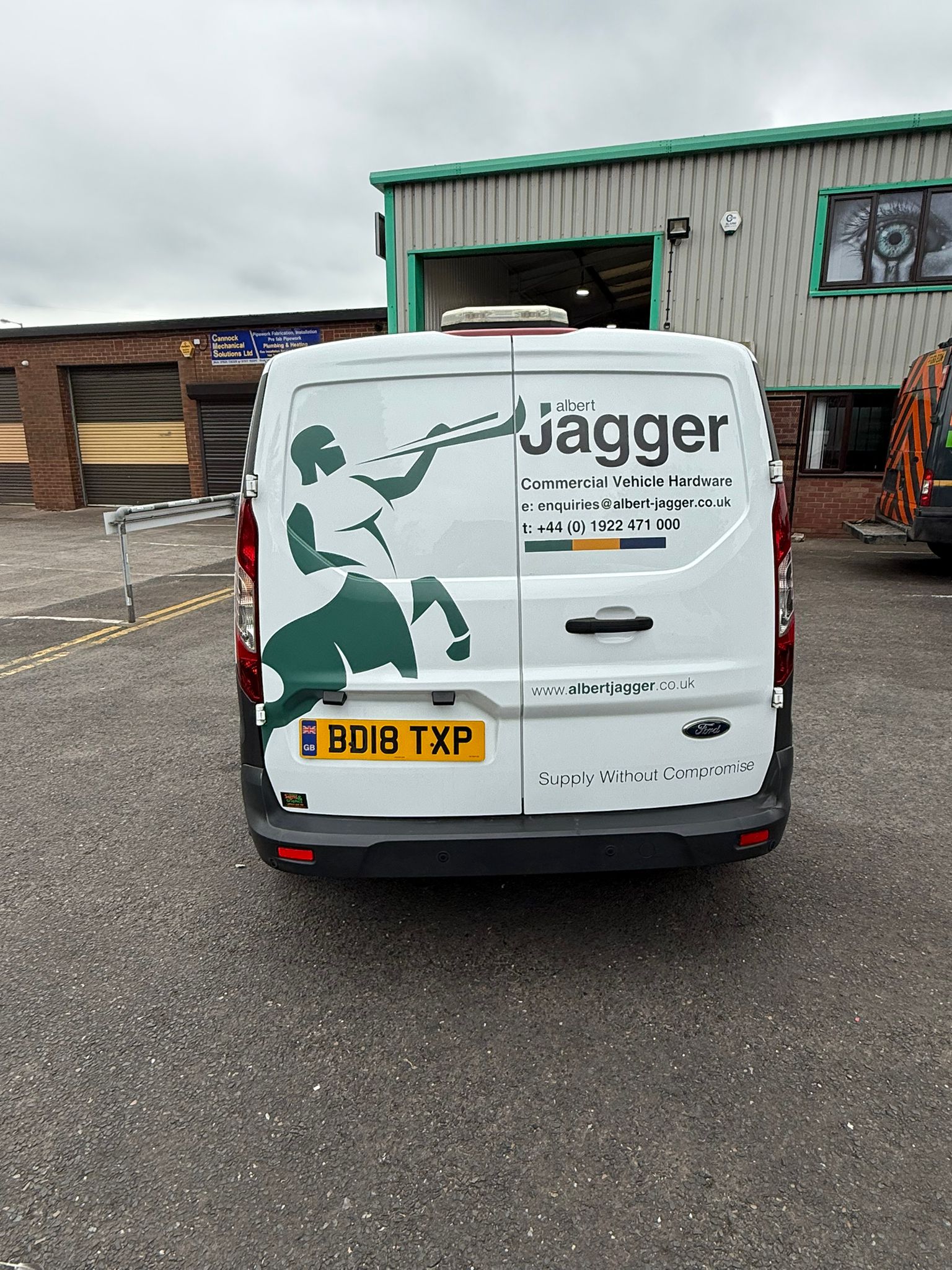
Understanding what impacts the lifespan of your vehicle wrap is crucial for maintaining your brand’s appearance. Let’s explore the key elements that affect durability.
Importance of Material Choice
The right material makes all the difference in the world of vehicle wraps. Top-quality materials ensure long-lasting and vibrant results.
-
Vinyl Type: Choosing between cast and calendared vinyl is important. Cast vinyl is durable and perfect for complex curves, while calendared vinyl is suitable for flat surfaces.
-
Finish Options: The finish, whether matte, gloss, or satin, can impact how your wrap weathers. Gloss finishes are generally more resistant to UV rays.
Using premium materials from brands like 3M and Avery Dennison guarantees superior performance and longevity. The 3M MCS warranty is an industry standard, offering peace of mind that your wrap will endure the elements.
Role of Installation Techniques
Even the best materials can fail if installed poorly. Proper technique is vital for a flawless, long-lasting wrap.
-
Surface Preparation: The surface must be clean and smooth. Any residue or imperfections will affect adhesion and appearance.
-
Application Skills: Our Avery Dennison authorised installers use proven methods to ensure a snug fit, with no bubbles or wrinkles.
3.## Factors Affecting Vehicle Wrap Durability
Unveiling the secrets to vehicle wrap longevity begins with understanding what impacts it most. Let’s explore three critical aspects that determine how long your wraps will look their best.
Importance of Material Choice
Choosing the right materials is crucial for wrap durability. The type of vinyl used plays a significant role in how long the wrap will last without fading or peeling. Cast vinyl is highly recommended for its durability and flexibility. It’s designed to withstand environmental challenges, making it ideal for long-term applications. In contrast, calendared vinyl is more cost-effective but better suited for short-term usage.
Brands like 3M and Avery Dennison offer premium materials that come with warranties, providing peace of mind. These materials are specifically engineered to maintain their colour and finish over time. By selecting high-quality vinyl, you ensure your vehicle graphics stay vibrant and intact for years.
Role of Installation Techniques
Installing vehicle wraps requires precision and expertise. A flawless installation ensures the wrap adheres properly, preventing bubbles and wrinkles. Professional installers use techniques that allow the vinyl to conform to the vehicle’s contours seamlessly. This includes thorough cleaning of the vehicle surface and using heat to mould the vinyl.
Proper training and experience in installation are vital. Look for an Avery Dennison authorised installer or a certified professional with a 3M MCS warranty. These credentials assure you that the installer knows the best practices, leading to a longer-lasting wrap.
Impact of Environmental Conditions
Environmental factors can significantly affect wrap longevity. Exposure to harsh sunlight, rain, and extreme temperatures can degrade the vinyl over time. It’s important to consider the typical weather conditions your vehicle will face. If your vehicles are frequently outdoors, investing in UV-resistant vinyl is wise.
Parking your vehicles in shaded areas or using covers can further protect the wraps from the elements. Regular cleaning to remove dirt and pollutants will also help maintain the wrap’s integrity. By mitigating environmental impacts, you extend the life of your vehicle graphics.
Ensuring High-Quality Finish
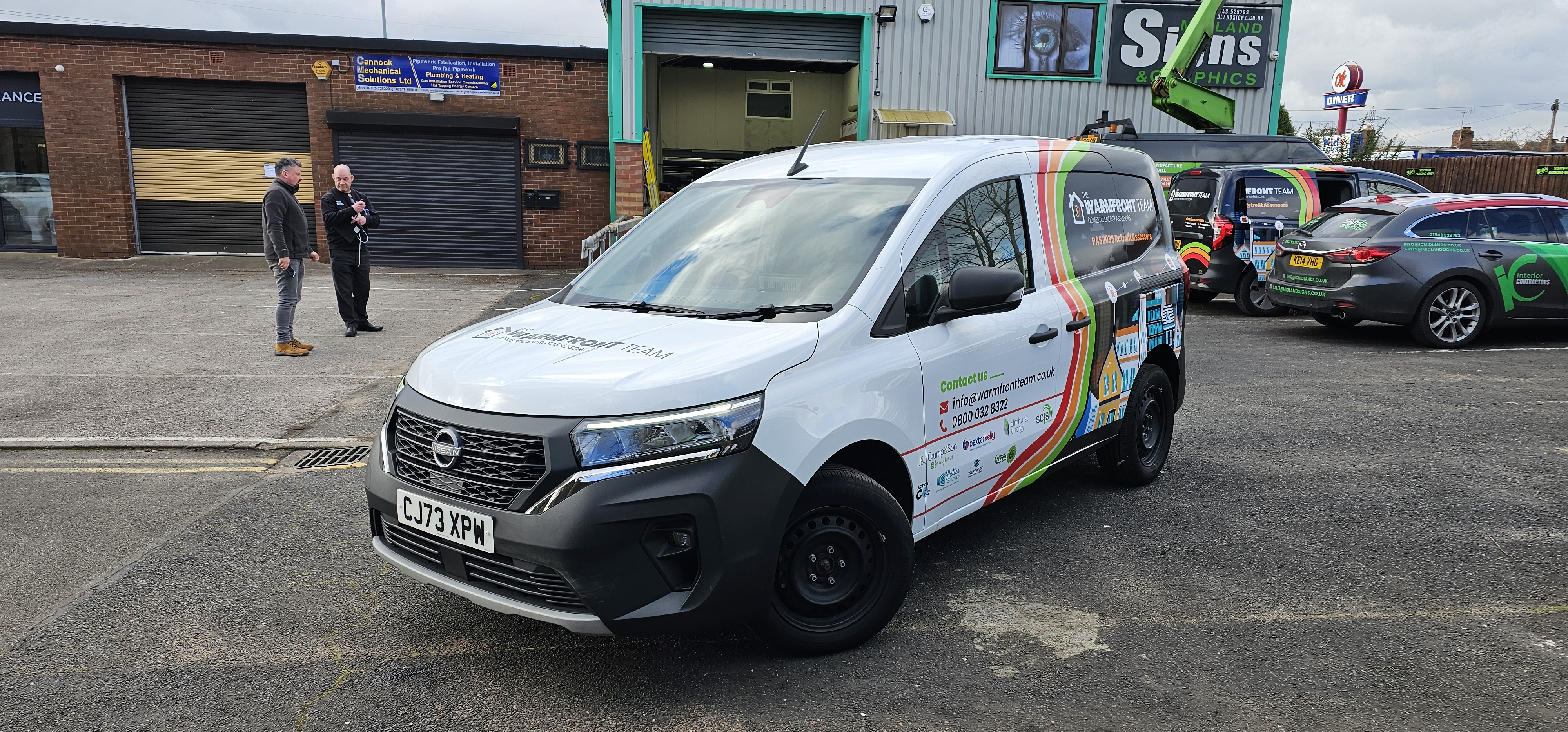
Achieving a top-notch finish isn’t just about the wrap itself. The quality of the environment and techniques used during application plays a pivotal role in the outcome.
Benefits of Climate-Controlled Wrap Bays
Using a climate-controlled wrap bay can make a significant difference in the wrap’s finish. These bays offer a dust-free environment with regulated temperature and humidity. This setting ensures that the vinyl adheres evenly, with no air bubbles or dust particles getting trapped underneath.
A controlled environment allows for more precise application and curing. It helps stabilise the vinyl, reducing the risk of warping or shrinking over time. Investing in facilities like these demonstrates a commitment to quality and consistency in every wrap project.
Importance of Colour Management and Printing
Colour accuracy is vital for maintaining brand consistency across fleets. Using HP Latex vehicle wrap printing ensures vibrant and precise colours. This technology uses water-based inks that are not only durable but also eco-friendly. By managing ICC profiles, printers can maintain consistent colours across different batches of wraps.
Professional printing services use advanced software to match your brand’s colours accurately. Maintaining these standards means your fleet graphics will look uniform, reinforcing brand identity and making a lasting impression on the road.
Techniques for Edge Sealing and Post-Heating
Edge sealing is an essential step to prevent the wrap from lifting and peeling at the edges. Sealants provide a barrier against moisture and contaminants that could weaken the adhesive. Properly sealed edges enhance the wrap’s durability, ensuring a longer lifespan.
Post-heating the vinyl after application is another crucial technique. It reinforces the adhesive bond, making the wrap more resilient to temperature changes. This process is especially important for surfaces with curves and complex shapes, ensuring the vinyl remains securely in place.
Vehicle Wrap Maintenance and Aftercare
Keeping your wraps in top condition requires a proactive approach to maintenance. With the right care, your vehicle graphics can continue to look impressive and last longer.
Recommended Practices for Longevity
Regular maintenance is key to prolonging the life of your wraps. Washing your vehicle by hand using a mild detergent helps remove dirt and grime without damaging the vinyl. Avoid using high-pressure washers, as they can lift the edges.
Protective wax or sealant can also be applied to shield the wrap from UV rays and pollutants. Routine cleaning and protection ensure your wrap remains vibrant and adheres well. Implementing these practices helps your wraps withstand daily wear and tear.
Comparing OEM Paint and Respray Wraps
Understanding the differences between OEM paint and respray wraps can help you make informed decisions. OEM paint offers a factory finish that is durable but costly to repair if damaged. Respray wraps, on the other hand, provide a cost-effective alternative, allowing for design flexibility and easy updates.
Wraps can be applied over OEM paint to protect it from scratches and fading. They offer the same visual appeal with added benefits of easy removal and replacement. This flexibility makes vehicle wraps an attractive option for businesses looking to maintain their fleet’s appearance.
Importance of Regular Inspections and Repairs
Regular inspections are vital for identifying potential issues early. Check for signs of lifting, peeling, or fading, and address them promptly. Small repairs can prevent larger problems, saving time and money in the long run.
Working with professionals who offer ongoing maintenance services ensures your wraps are always in top condition. Regular check-ups and timely repairs keep your fleet looking professional and reflect positively on your brand.
By following these guidelines and investing in quality materials and services, you can ensure that your vehicle wraps remain durable and visually appealing, supporting your brand’s presence on the road.