
Most retail refits stall trading longer than necessary. You know downtime hits your bottom line and frustrates teams and customers alike. With precise shop refit planning, you can keep tills ringing while upgrading storefront signage, refreshing interiors, and rolling out brand consistency across sites. This guide shows how to map phased works, schedule out-of-hours installation, and rely on in-house signage production to deliver swift, quality results with minimal disruption. Learn more about trading through store refurbishment.
Strategic Shop Refit Planning
Minimising downtime during a shop refit is crucial for maintaining business operations. Understanding how to plan effectively can make all the difference.
Minimising Downtime Effectively
To keep your business running smoothly, start by identifying high-traffic times and plan work around them. Schedule tasks during off-peak hours to reduce impact on customer flow. Organise phased works that focus on specific areas at a time. This way, you can still keep parts of the store operational. Remember, effective planning is about finding the right balance between completing the refit and maintaining customer satisfaction.
Consider using temporary signage to guide customers during this period. Clear directions can enhance their experience and prevent confusion. Communication with your team is vital too. Keep everyone informed about timelines and any changes to ensure a smooth process. With careful planning, you can achieve a seamless refit without unnecessary disruption.
Understanding Phased Works
Breaking down the refit into phases allows you to manage tasks more efficiently. Focus on one area at a time to minimise chaos. Phased works mean you can isolate sections of the store, completing upgrades while the rest remains open. This method ensures that trading continues, keeping the cash register active.
Start by prioritising key areas that need immediate attention. Once these are dealt with, move on to less critical zones. This approach allows you to control the pace of work and adapt to unforeseen challenges. Effective phased planning ensures that even with ongoing works, your store continues to serve customers reliably.
In-House Production Advantages
Leveraging in-house production capabilities can significantly enhance the quality and speed of your shop refit. This section explores how this approach benefits your business.
CNC Fabrication and Quality Control
In-house CNC fabrication offers precision and control over your signage. With this technology, you can ensure that every detail matches your design specifications. By maintaining production in-house, you have a direct hand in quality assurance, reducing the risk of errors and delays.
Having your signage needs met internally also means faster turnaround times. There’s no waiting for external suppliers to deliver. You can make changes swiftly, keeping the project on track. This capability is especially beneficial when working on tight schedules. Ultimately, in-house production allows you to maintain high standards and meet deadlines efficiently.
Benefits of Illuminated Signage
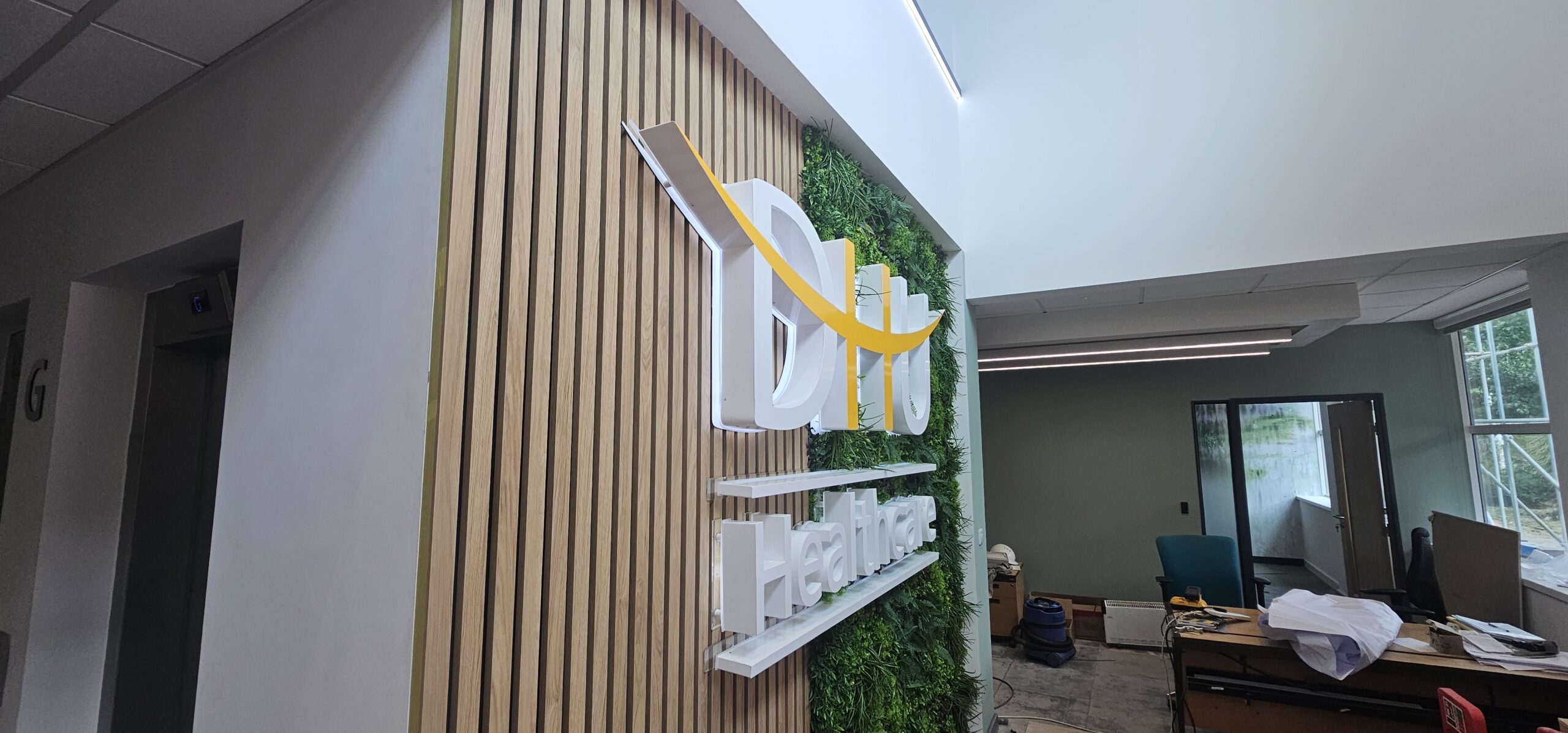
Illuminated signage is a powerful tool for attracting customers, even after dark. It enhances your storefront’s visibility, drawing attention to your business. Investing in high-quality illuminated signs can increase foot traffic and sales.
In-house production of illuminated signage ensures consistency in quality and style across multiple locations. This consistency reinforces brand recognition, crucial for multi-site operations. With the right signage, your business remains visible and inviting, regardless of the time.
Ensuring Successful Retail Refits
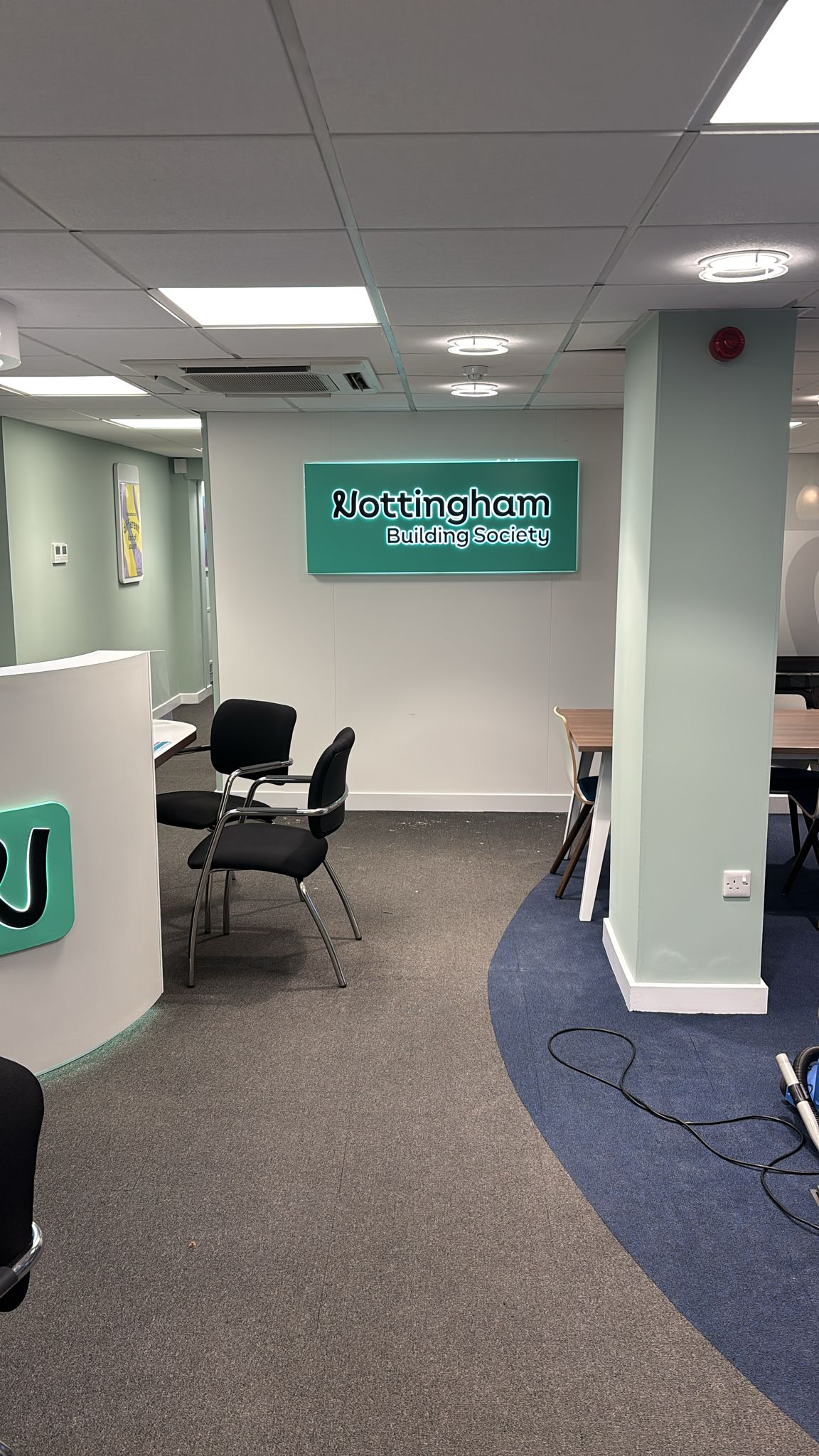
Successful retail refits require strategic planning and execution. This section covers how to implement key strategies to achieve your goals.
Out-of-Hours Installations
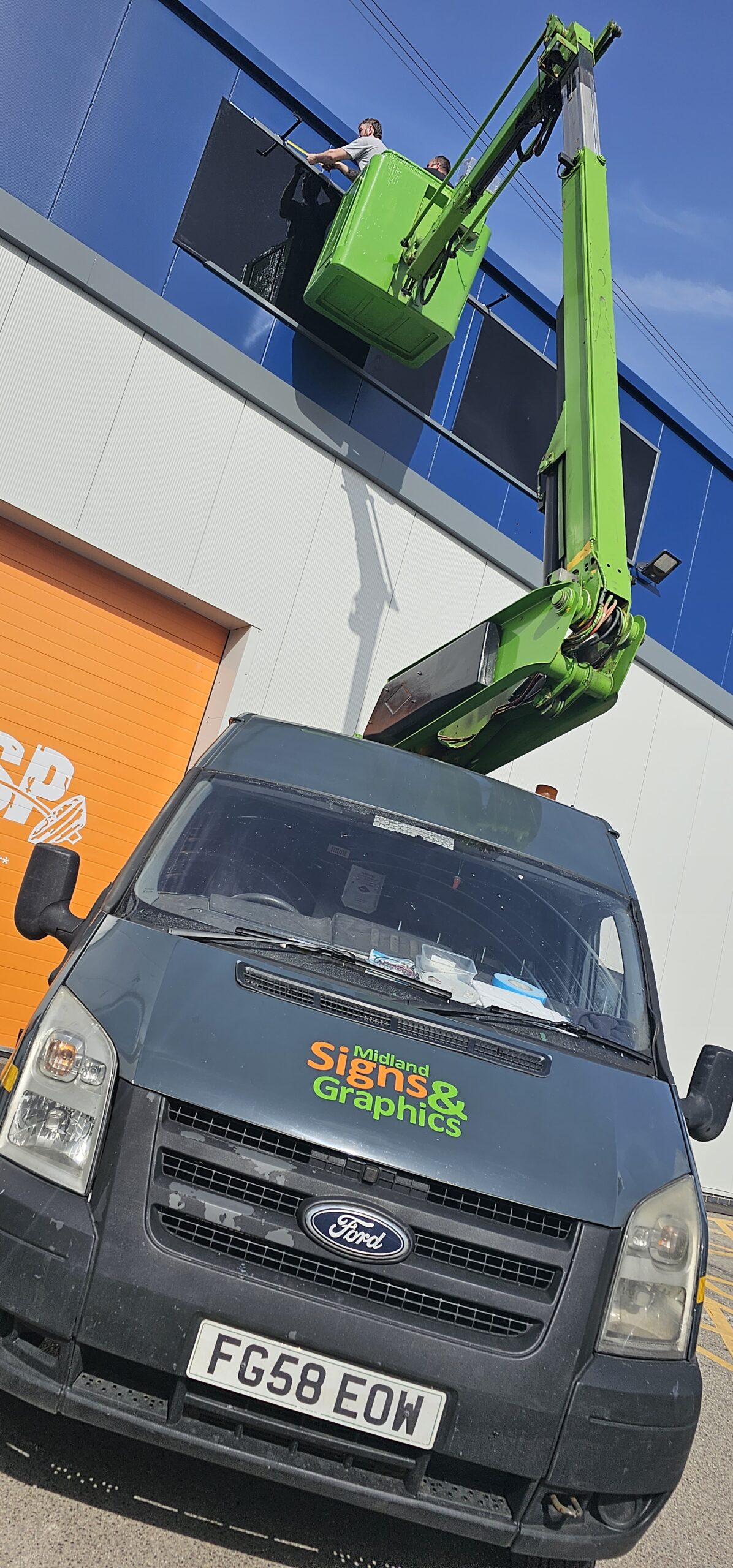
Carrying out installations during non-trading hours can significantly reduce disruption. By scheduling work at night or during closed days, you can ensure that your store remains fully operational during peak times. This approach minimises the impact on customers and staff, allowing business as usual.
Out-of-hours work requires a reliable partner to coordinate efforts smoothly. It’s essential to choose a provider who understands the importance of timely, efficient service. With the right planning and execution, you can complete your refit with minimal fuss, keeping operations running smoothly and your customers happy.
Temporary Signage and Hoarding Solutions
Temporary signage provides clear directions and information during refits. It’s vital for guiding customers safely and efficiently through the store. Well-placed signs eliminate confusion and maintain a positive shopping experience.
Hoarding solutions, on the other hand, are excellent for concealing work areas and protecting customers from construction zones. They maintain a clean, professional look and keep disruptions to a minimum. By incorporating temporary signage and hoardings, you ensure a safe and pleasant environment for everyone involved.
Frequently Asked Questions
How can phased works minimise downtime in a shop refit?
Phased works involve completing the refit in stages, allowing parts of the store to remain open. This approach reduces disruption and maintains business operations while upgrades occur.
What are the advantages of in-house signage production?
In-house production offers precision and quality control, allowing for faster changes and consistent standards. It eliminates delays from external suppliers, ensuring projects stay on schedule.
Why is illuminated signage important for retail stores?
Illuminated signage enhances visibility, attracting customers day and night. It boosts foot traffic and reinforces brand recognition, especially for multi-site operations.
How do out-of-hours installations benefit retail refits?
Out-of-hours installations reduce disruption by keeping stores operational during peak hours. They ensure that refits don’t interfere with daily business, maintaining a positive customer experience.
What role does temporary signage play during a refit?
Temporary signage guides customers through the store during refits, eliminating confusion. It maintains a positive shopping experience by providing clear directions and information.