
Shop refit planning: what to consider before work starts
Shop refit planning is often underestimated, leading to costly delays and scope creep that disrupt your trading schedule. Getting your shopfitting pre-start checklist right clears the path for a smooth retail refurbishment UK-wide. With Midland Signs managing every stage—from site survey signage to LED sign installation—you gain a single partner committed to consistent finishes and minimal downtime. Let’s break down what you need to consider before work starts. For further insights, check out this guide.
Preparing for a Shop Refit
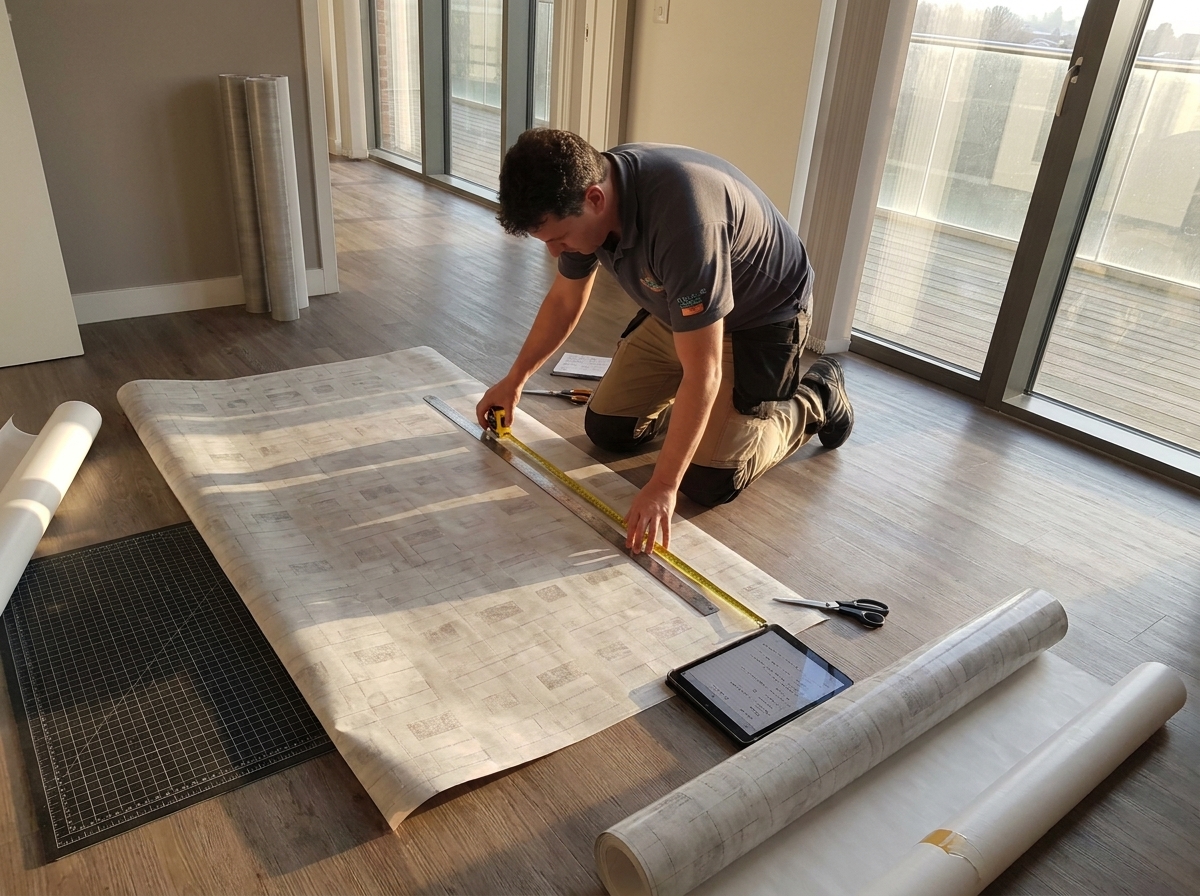
A successful shop refit starts with proper preparation. Understanding your current space and the necessary steps ahead is vital for a smooth transition.
Assessing Your Current Space
Begin by evaluating your existing setup. Is it functional, or are there areas that need improvement? Walk through your space and note what works and what doesn’t. This assessment is your baseline for planning improvements. Consider how changes can enhance customer flow and increase sales.
Next, take measurements. Knowing the dimensions of your space helps in deciding what is feasible. If you’re unsure, getting a professional site survey can save time and prevent costly mistakes later. For more detailed guidance, explore this article.
Planning Permission and Compliance
Navigating the world of planning permission can seem daunting, but it’s essential. Many shop owners overlook this step, leading to setbacks. Check the local council’s requirements to ensure your plans comply with regulations.
Don’t forget about building control notifications. These are different from planning permissions but equally important. They ensure your refit meets safety standards. Ignoring this can lead to fines or forced alterations. Learn about the nuances in this resource.
Engaging with Stakeholders
Communication with stakeholders is key. This includes your team, contractors, and any other parties involved. Transparency in your plans fosters collaboration and ensures everyone is on the same page.
Set clear expectations from the start. Discuss timelines, budgets, and responsibilities to avoid misunderstandings. Regular meetings can help keep the project on track. Engaging stakeholders effectively means fewer surprises down the line.
Essential Pre-Start Checklist

With your plans in place, it’s time to focus on the essentials. A comprehensive checklist ensures nothing is missed before the refit begins.
Health and Safety Considerations
Safety should always be a top priority. Before any work starts, conduct a thorough risk assessment. Identify potential hazards and implement measures to mitigate them. This not only protects your workers but also prevents legal issues.
Create a method statement that outlines how each task will be performed safely. Regular safety briefings reinforce the importance of being vigilant. Ensuring health and safety on site is non-negotiable. For more on safety measures, consult this helpful guide.
Effective Programme Management
Managing a refit requires a clear programme. Start by mapping out each phase of the project. This involves setting realistic timelines and allocating resources efficiently. A detailed schedule prevents overlap and minimises downtime.
Appoint a project manager to oversee progress. Their role is to ensure everything stays on track and within budget. Effective programme management in shopfitting is crucial for a successful outcome.
Securing Landlord Consent
Landlord consent is often a step that gets overlooked, leading to unnecessary delays. Before making any changes, check your lease agreement for any requirements. Some alterations might need written approval from your landlord.
Communicate openly with them about your plans. Providing a detailed proposal can help in gaining their consent. Remember, securing landlord consent for signage and other modifications is essential for a smooth refit process.
Streamlining the Refit Process

Having laid the groundwork, focus now shifts to streamlining the refit. Efficient processes ensure minimal disruption to your business.
In-House Production Advantages
Choosing a partner with in-house production capabilities offers significant benefits. It means faster turnaround times and better quality control. With everything under one roof, there are fewer delays and more consistent finishes.
In-house production allows for quick adjustments if needed. This flexibility can be a lifesaver when timelines are tight. It’s an advantage that sets your refit up for success.
Minimising Downtime with Out-of-Hours Work
One of the biggest challenges is keeping downtime to a minimum. Consider scheduling work outside of trading hours. This strategy keeps your business running smoothly and customers unaffected.
Communicate this plan with your contractors. They need to be prepared for night or weekend shifts. By minimising downtime retail operations remain uninterrupted, maintaining revenue streams.
Coordinating Multi-Site Rollouts
For businesses with multiple locations, coordination is key. A unified approach ensures each site gets the attention it needs without overwhelming resources.
Begin by creating a master schedule covering all locations. Assign dedicated teams to manage specific sites. Regular check-ins help address any issues that arise quickly. Coordinating a multi-site retail rollout requires strategic planning but pays off with consistent brand presentation across all locations.
In conclusion, a well-prepared shop refit plan sets the stage for success. By assessing your space, ensuring compliance, and engaging stakeholders effectively, you lay a strong foundation. With a comprehensive checklist and streamlined processes, your refit can proceed smoothly, minimising disruptions and maximising efficiency.