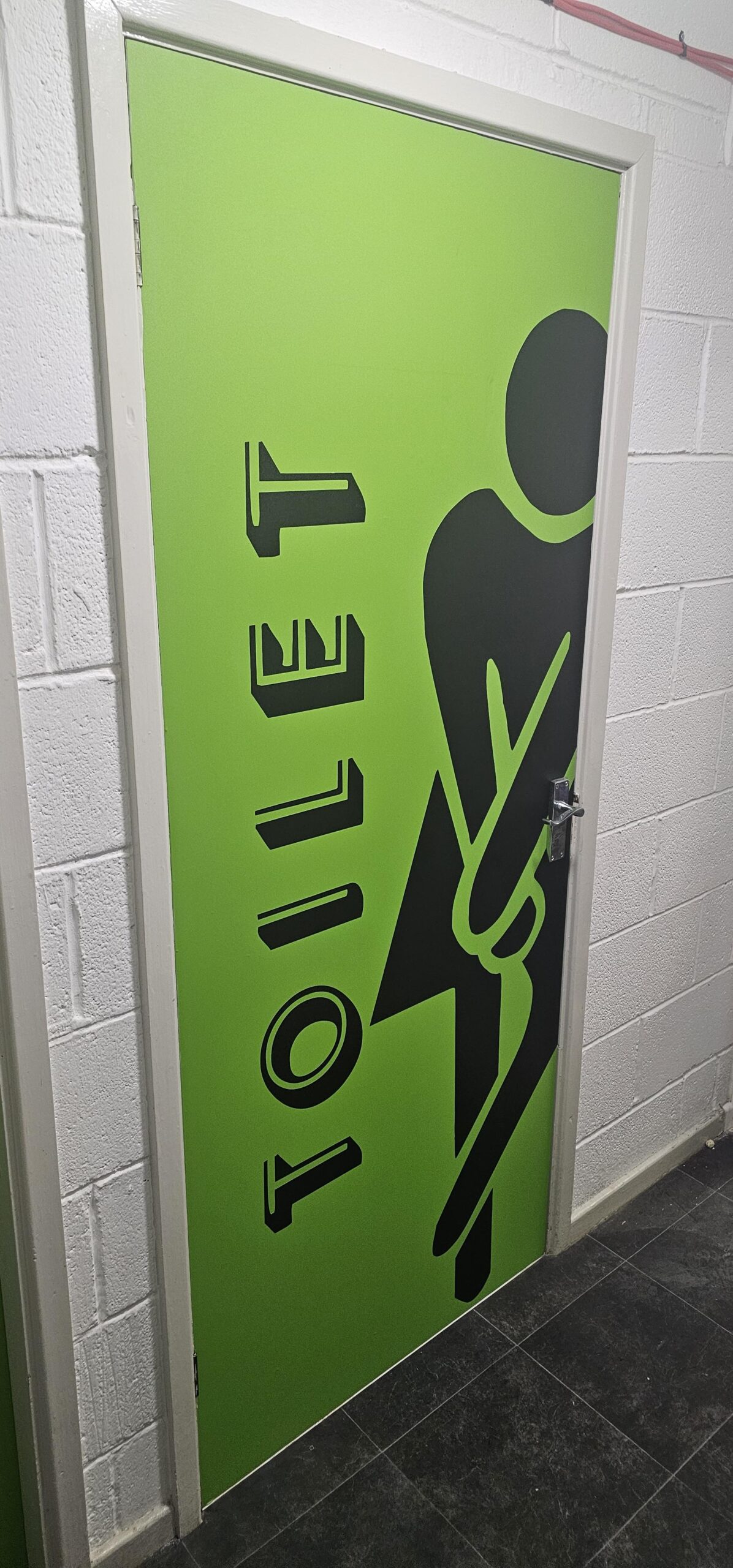
Most multi-site signage rollouts stumble on one point: keeping brand consistency across every location. You’ve got tight deadlines and zero room for downtime, yet each site demands the same exacting standards. This guide walks you through planning a UK-wide signage installation that stays on schedule and delivers a uniform finish, backed by in-house production, CNC routing, and expert on-site fitting. [https://www.instagram.com/reel/DZeuUk_jMIa/]
Planning Consistent Signage Rollouts
When planning a multi-site signage rollout, maintaining consistency across locations is crucial. This section will guide you through effective strategies to ensure seamless brand representation at every site.
Importance of Site Surveys
Site surveys are the foundation of a successful signage project. They help you understand the unique characteristics and requirements of each location.
Firstly, conducting a site survey allows you to gather detailed information about the environment. This includes assessing the space available for signage, understanding the local regulations, and identifying any potential obstacles. By doing so, you can better plan the design and placement of each sign to fit harmoniously into its surroundings.
Additionally, site surveys help you anticipate challenges that could disrupt the installation process. For instance, knowing the exact dimensions and structural elements of a site enables you to order the right materials and tools in advance, reducing the risk of delays. Ultimately, thorough site surveys pave the way for a smooth and efficient installation process, ensuring that each sign is installed correctly and on time.
Creating a Signage Specification Pack
A well-documented signage specification pack is essential for maintaining brand consistency. This pack serves as a comprehensive guide for everyone involved in the project.
The first step in creating this pack is to include detailed design guidelines. These should cover the size, shape, and colour of the signs, as well as the specific materials to be used. By providing clear instructions, you ensure that every sign produced adheres to your brand’s standards.
Additionally, the pack should include installation instructions and any necessary permits or approvals. By having all this information readily available, you minimise misunderstandings and miscommunications between teams. This not only speeds up the installation process but also ensures that every location presents a consistent and professional image.
Maintaining Brand Consistency
Brand consistency is key to building trust and recognition. With multiple locations, it becomes even more important to maintain a uniform look and feel across all sites.
One effective way to achieve this is by implementing a centralised design approval process. By having a dedicated team review and approve all signage designs, you can ensure they align with your brand guidelines. This step helps prevent deviations that could compromise the overall brand image.
Furthermore, using standardised materials and production techniques is vital. This includes employing consistent colour matching methods and utilising high-quality materials that withstand wear and tear. By doing so, you guarantee that each sign not only looks the same but also maintains its appearance over time.
In-house Production Capabilities
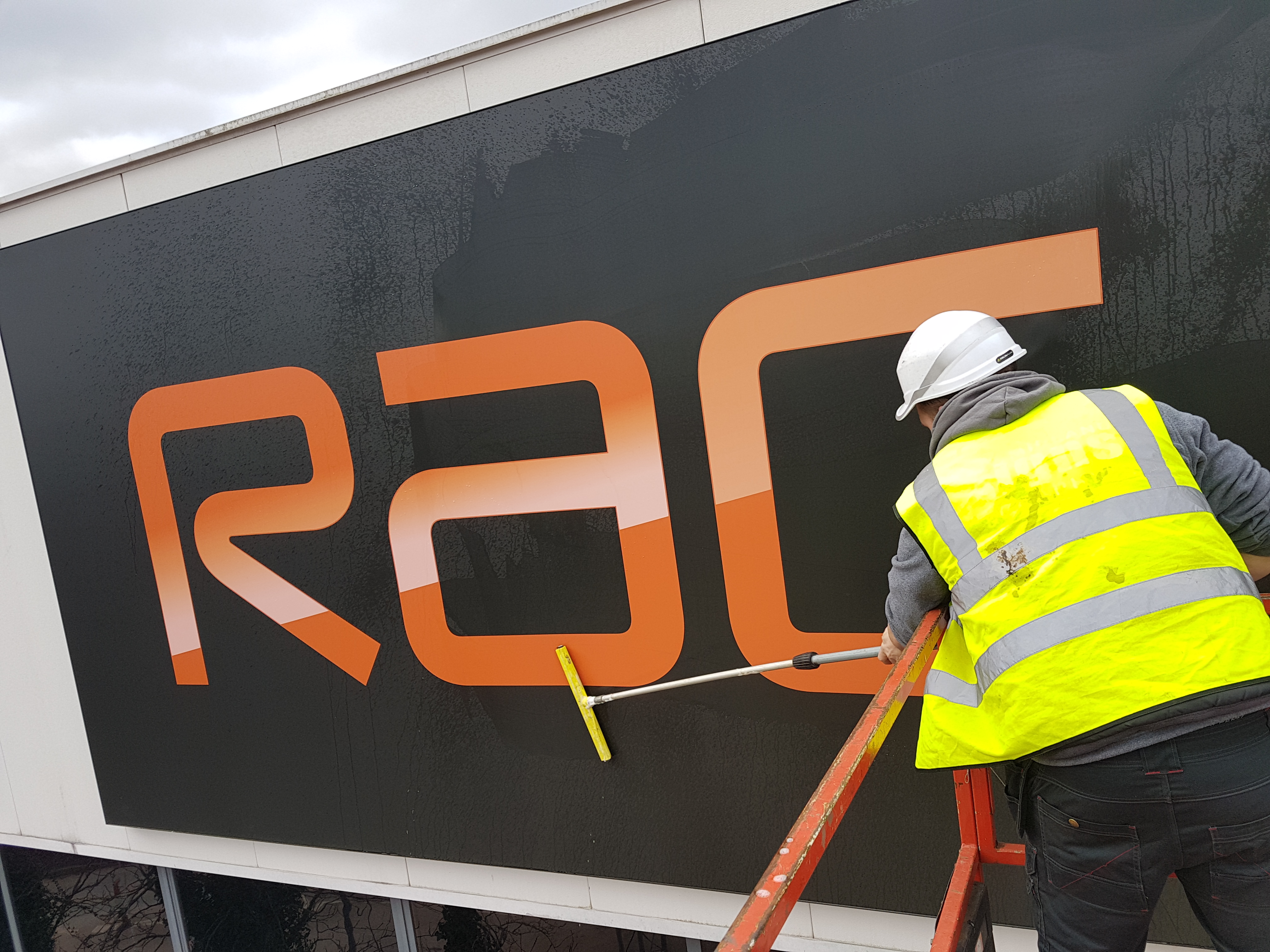
In-house production capabilities provide a significant advantage in maintaining control over the entire signage process. Let’s explore how advanced technology and meticulous processes can boost your signage rollout.
Benefits of CNC Routing and UV Printing
CNC routing and UV printing are powerful tools in the production of signage. They offer precision and flexibility that traditional methods cannot match.
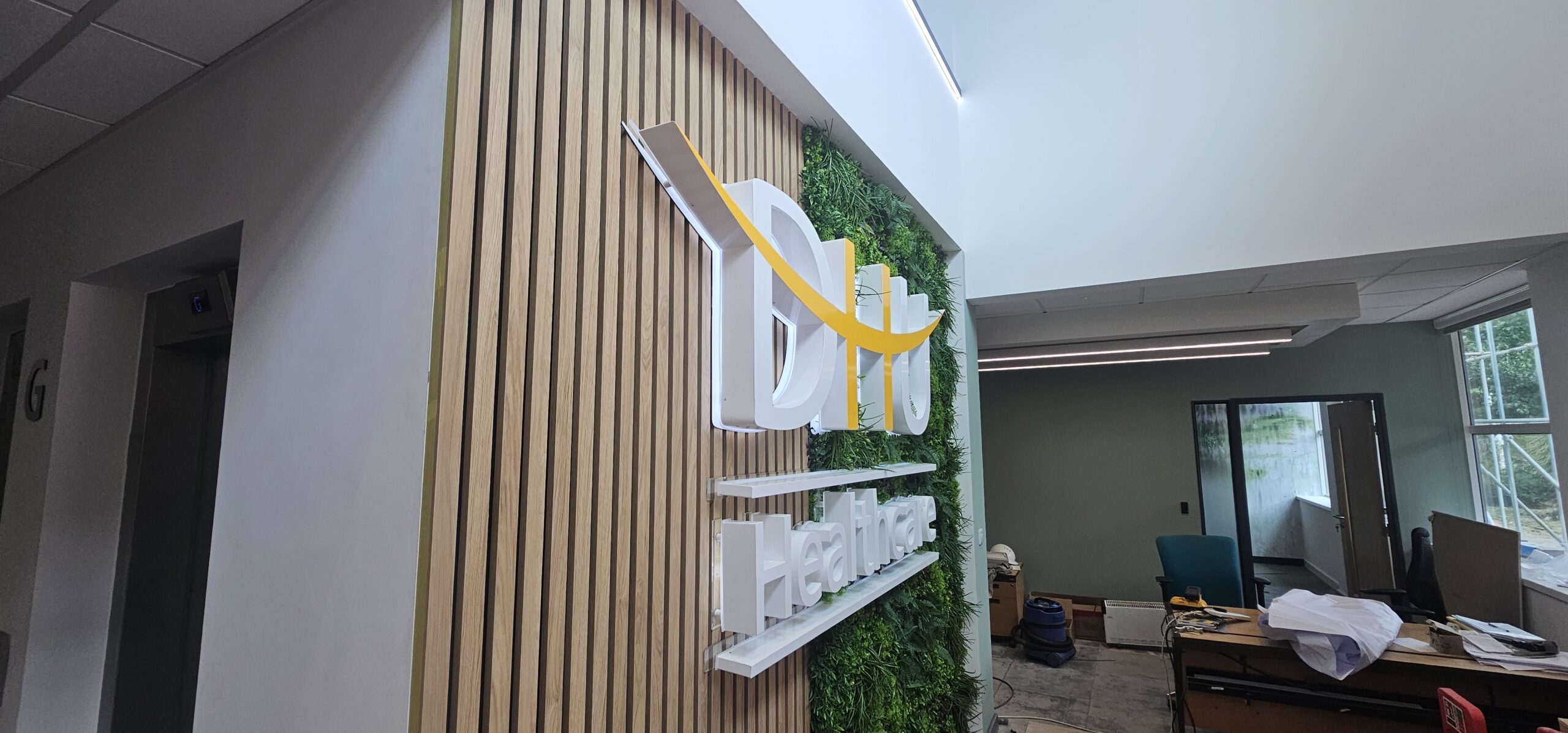
Firstly, CNC routing allows for intricate designs and precise cuts. This technology is perfect for creating custom shapes and lettering that fit your brand’s unique look. It ensures that every sign produced is identical, maintaining consistency across multiple locations.
UV printing, on the other hand, provides vibrant colours and high-resolution images. It is ideal for producing detailed graphics that capture attention. The durability of UV inks ensures that your signs remain bright and clear, even in harsh weather conditions. These technologies together ensure that your signage meets the highest standards in quality and detail.
Precision Colour Matching Techniques
Maintaining accurate colour representation is crucial in branding. Precision colour matching techniques help you achieve the exact hues specified in your brand guidelines.
The process begins with using industry-standard colour profiles, such as RAL and Pantone, to define your brand colours. By calibrating your printing equipment to these profiles, you ensure that every sign produced matches the intended colour precisely.
Additionally, regular calibration and testing of equipment are essential. This ensures that any variations in colour output are detected and corrected promptly. By prioritising colour accuracy, you maintain a consistent and professional image across all your signage.
Quality Control and Material Selection
Quality control and careful material selection are vital for producing durable and reliable signage. By focusing on these aspects, you ensure that your signs not only look great but also stand the test of time.
The first step is to establish a robust quality control checklist. This includes inspecting every sign for defects and ensuring that all components meet your standards. By catching and addressing any issues early on, you prevent subpar products from reaching your customers.
Moreover, choosing the right materials is equally important. Opt for materials known for their durability and resistance to environmental factors. This ensures that your signs maintain their appearance and functionality, even with prolonged exposure to outdoor conditions.
Efficient Installation Strategies
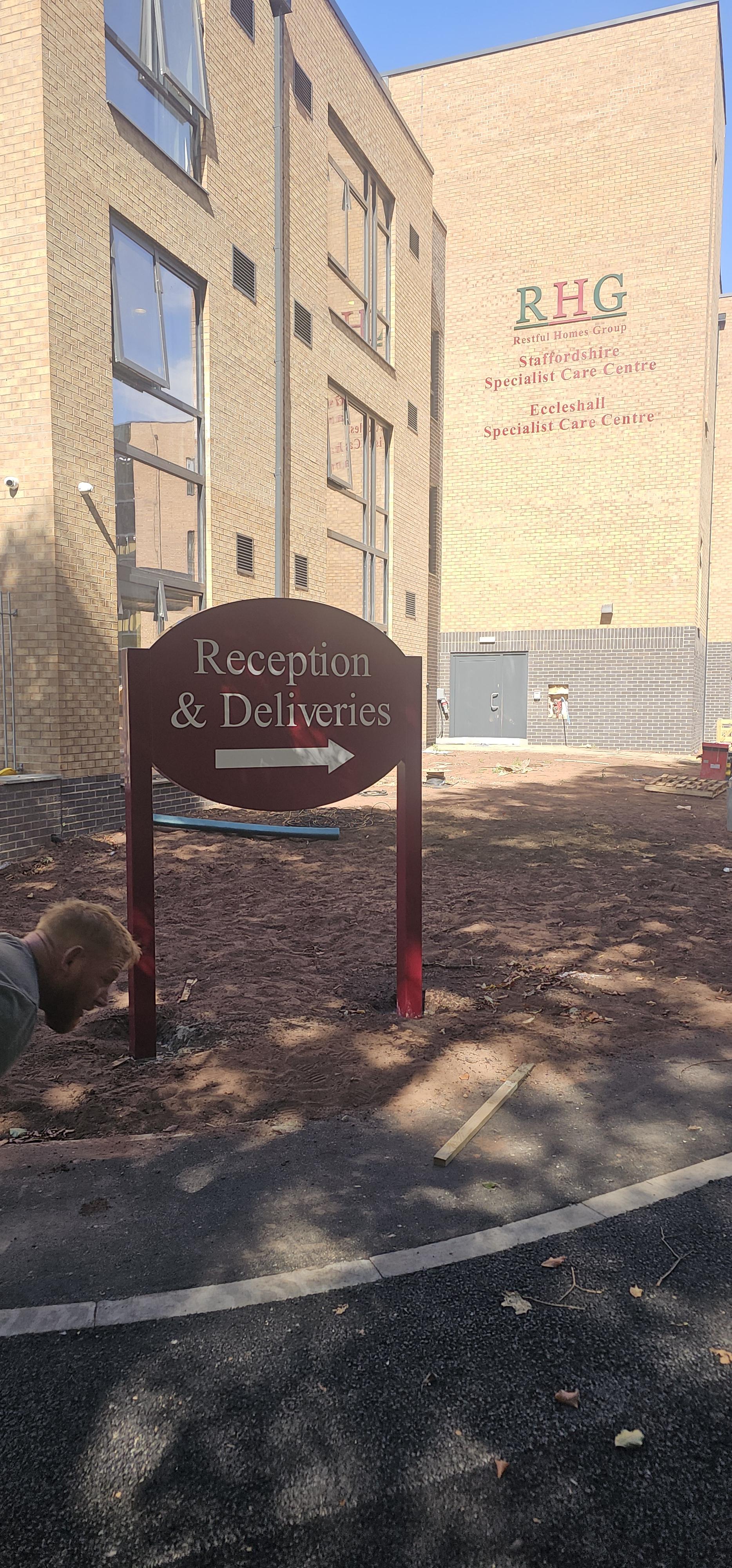
An efficient installation strategy minimises downtime and ensures that all signage is installed correctly and promptly. This section explores techniques to achieve seamless installations across multiple sites.
Scheduling Out-of-Hours Installations
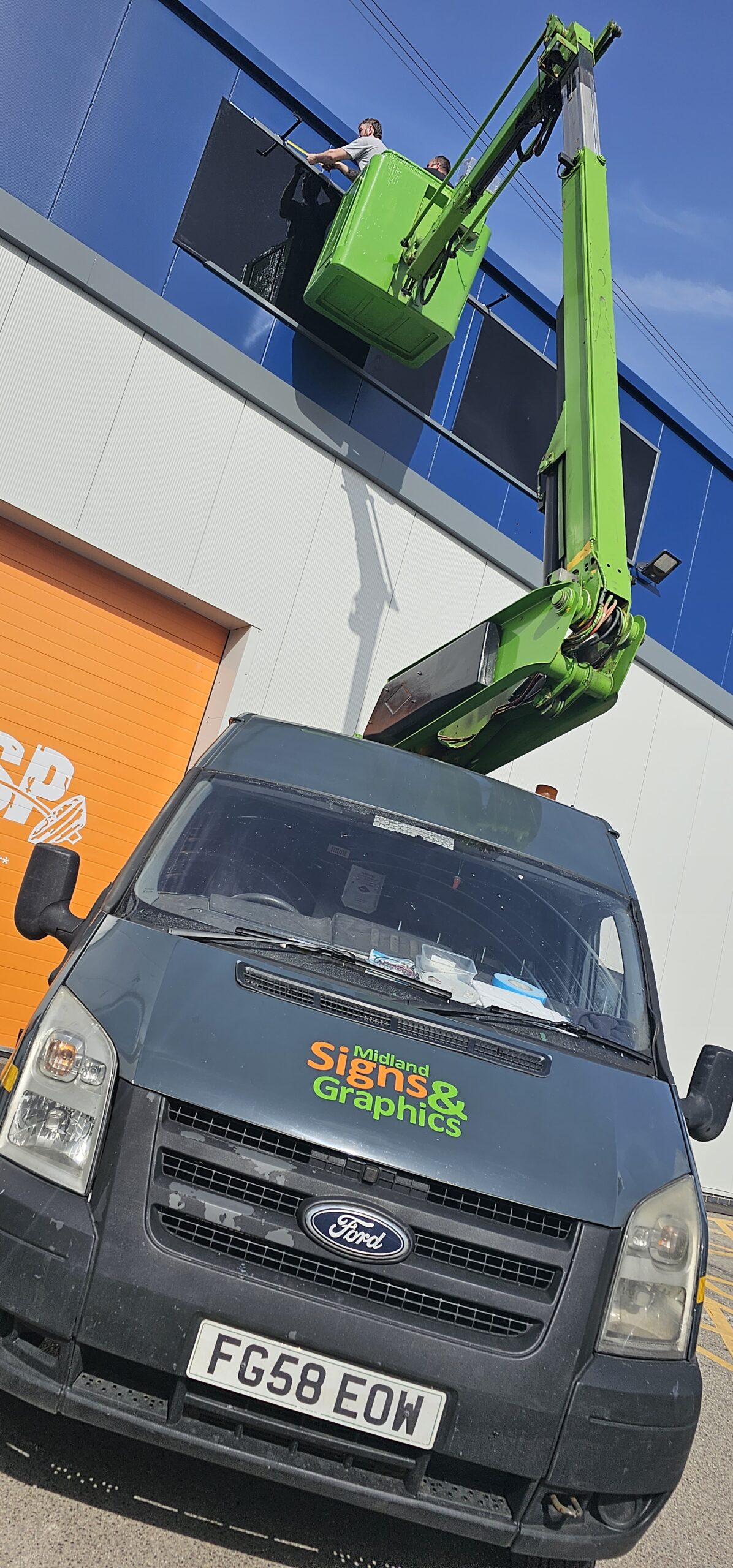
Scheduling installations outside regular business hours is an effective way to minimise disruptions. This approach allows you to complete the work without interfering with daily operations.
To implement this strategy, coordinate with site managers to determine the best times for installations. This might include evenings, weekends, or public holidays when foot traffic is lower. By working during these off-peak times, you reduce the impact on customers and staff, allowing businesses to operate smoothly.
Additionally, having a detailed schedule and clear communication with all parties involved ensures that installations are completed efficiently. This reduces the risk of delays and ensures that each site is ready to impress as soon as it opens to the public.
Ensuring Quality with On-site Workmanship
Quality workmanship on-site is critical for achieving a professional finish. Skilled installers who understand the nuances of your signage and brand standards make a significant difference.
Start by training your installation team on the specific requirements of your signage project. Provide clear instructions and guidelines to ensure that every sign is installed correctly. This includes aligning signs accurately, securing them firmly, and ensuring that all components function as intended.
Furthermore, regular site inspections during and after installations help maintain quality. By addressing any issues immediately, you guarantee that each site reflects your brand’s high standards.
Signage Maintenance and Aftercare Services
Ongoing maintenance and aftercare services are crucial for preserving the quality and appearance of your signage. By implementing a proactive maintenance plan, you extend the lifespan of your signs and keep them looking their best.
The first step is to establish a regular inspection schedule. This allows you to identify and address any issues, such as fading colours or structural damage, before they become significant problems. Regular maintenance also ensures that your signage complies with safety standards and local regulations.
Additionally, offering aftercare services, such as cleaning and repairs, adds value to your signage solutions. By providing these services, you demonstrate a commitment to quality and longevity, ensuring that your customers remain satisfied with your products over time.
Frequently Asked Questions
How do site surveys benefit signage rollouts?
Site surveys provide detailed information about each location, helping you tailor your signage to fit the space and comply with local regulations. This ensures a smooth installation process and consistent results across all sites.
What is included in a signage specification pack?
A signage specification pack includes design guidelines, installation instructions, and necessary permits. It ensures that all signs adhere to brand standards and facilitates clear communication between teams for a consistent rollout.
Why is CNC routing important for signage production?
CNC routing offers precision and flexibility, allowing for intricate designs and custom shapes. This technology ensures that every sign is produced to the exact specifications, maintaining consistency across multiple locations.
How can I maintain brand consistency in a multi-site rollout?
Implement a centralised design approval process and use standardised materials and production techniques. This ensures that every sign aligns with your brand guidelines and maintains a uniform look and feel.
What are the benefits of out-of-hours installations?
Out-of-hours installations minimise disruptions to daily operations by allowing work to be completed during off-peak times. This reduces the impact on customers and staff, ensuring a seamless and efficient installation process.