Internal branding and wayfinding: practical steps to move people faster through your site
Most sites lose minutes every day because their wayfinding signage confuses visitors and staff alike. When movement stalls, safety risks rise and brand impact fades. You’ll learn practical steps to design internal branding and wayfinding signage UK that guides people clearly, cuts friction, and reflects your brand’s quality. Midland Signs handles everything from site audit to install, ensuring smooth rollouts across multiple locations with precision and care. For more insights, visit this article.
Key Elements of Internal Branding
Creating a cohesive brand experience internally is crucial for any business. It ensures consistency and strengthens brand presence. Let’s explore how to achieve this.
Enhancing Brand Presence
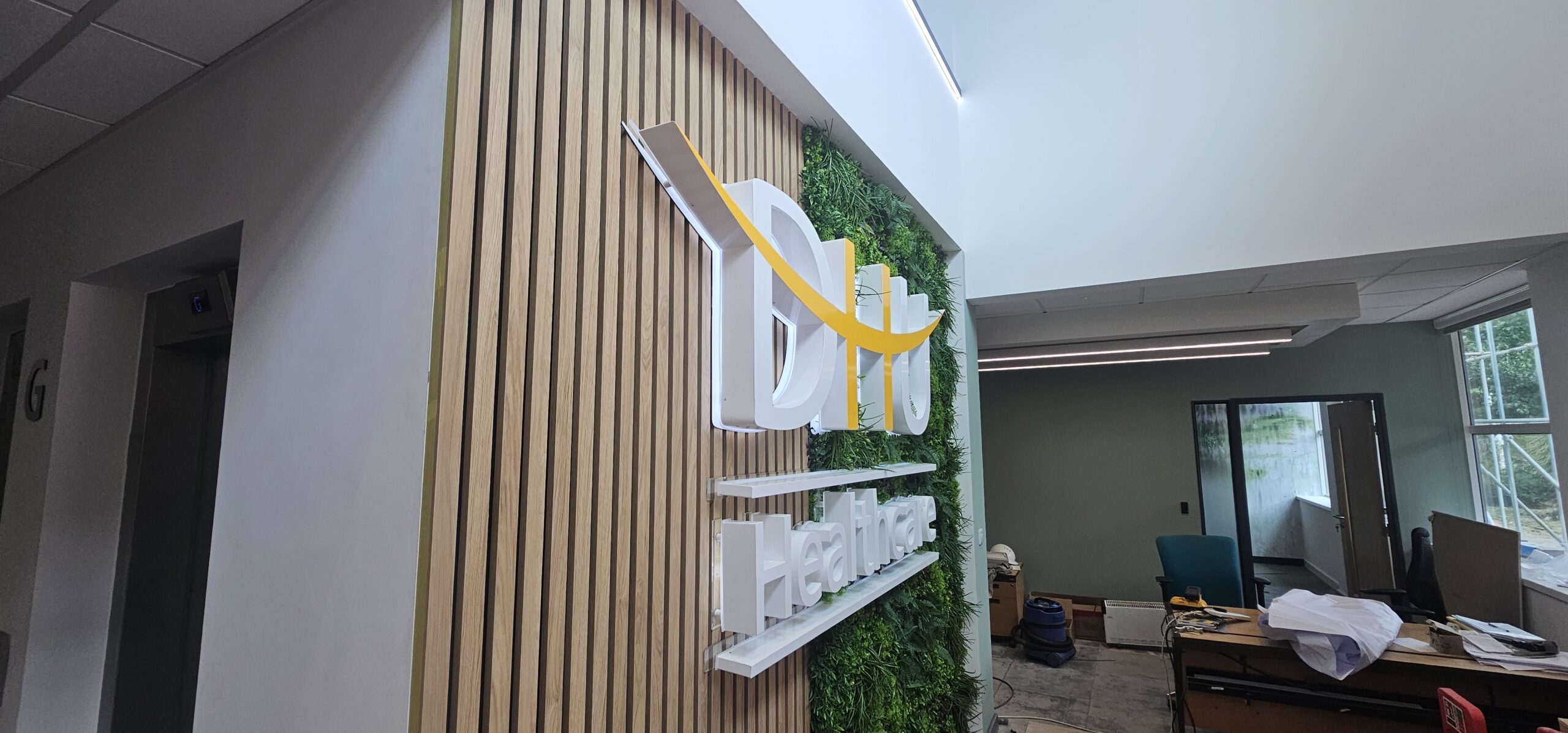
Your brand should be evident in every corner of your business. From the moment someone walks through the door, they should feel connected to who you are and what you stand for. Displaying your logo prominently is just the start. Think about how your values can be visualized. Perhaps through inspirational wall graphics or Vinyl lettering that highlights your mission statement. This not only reinforces your brand but also boosts employee morale and helps visitors feel engaged with your ethos. According to Elcom, effective internal branding can improve overall workplace culture and productivity.
Consistency Across Multiple Locations
Having multiple business locations can present challenges in maintaining a consistent brand image. But consistency is key to building trust and recognition. Your signage, from office signage to retail wayfinding, should look and feel the same everywhere. This means using the same fonts, colours, and materials for all your sites. By doing so, customers know they can expect the same quality and service, no matter the location. This approach is supported by experts at The Brand Consultancy, who emphasize the importance of a unified brand image across different locations.
The Role of Colour Management
Colours play a significant role in brand identity. They evoke emotions and can influence perceptions. It’s essential to use your brand colours consistently, not just in logos but in all elements of your internal branding. This includes CNC routed letters, UV flatbed printing, and even LED illuminated signs. Consistent colour usage helps reinforce brand identity and ensures that your messaging is clear and impactful. It also aids in wayfinding, as visitors can quickly associate specific colours with certain areas or functions.
Effective Wayfinding Signage
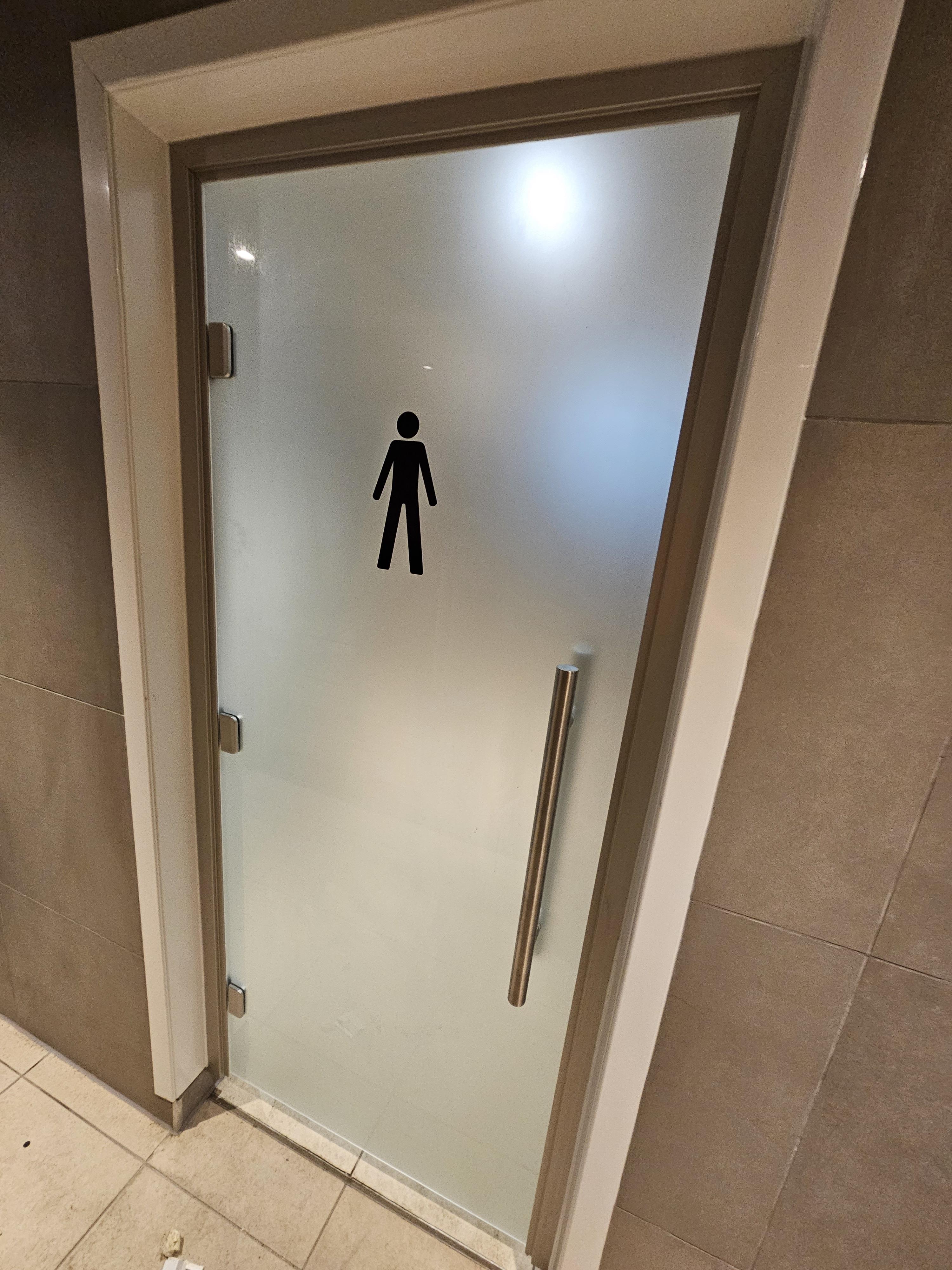
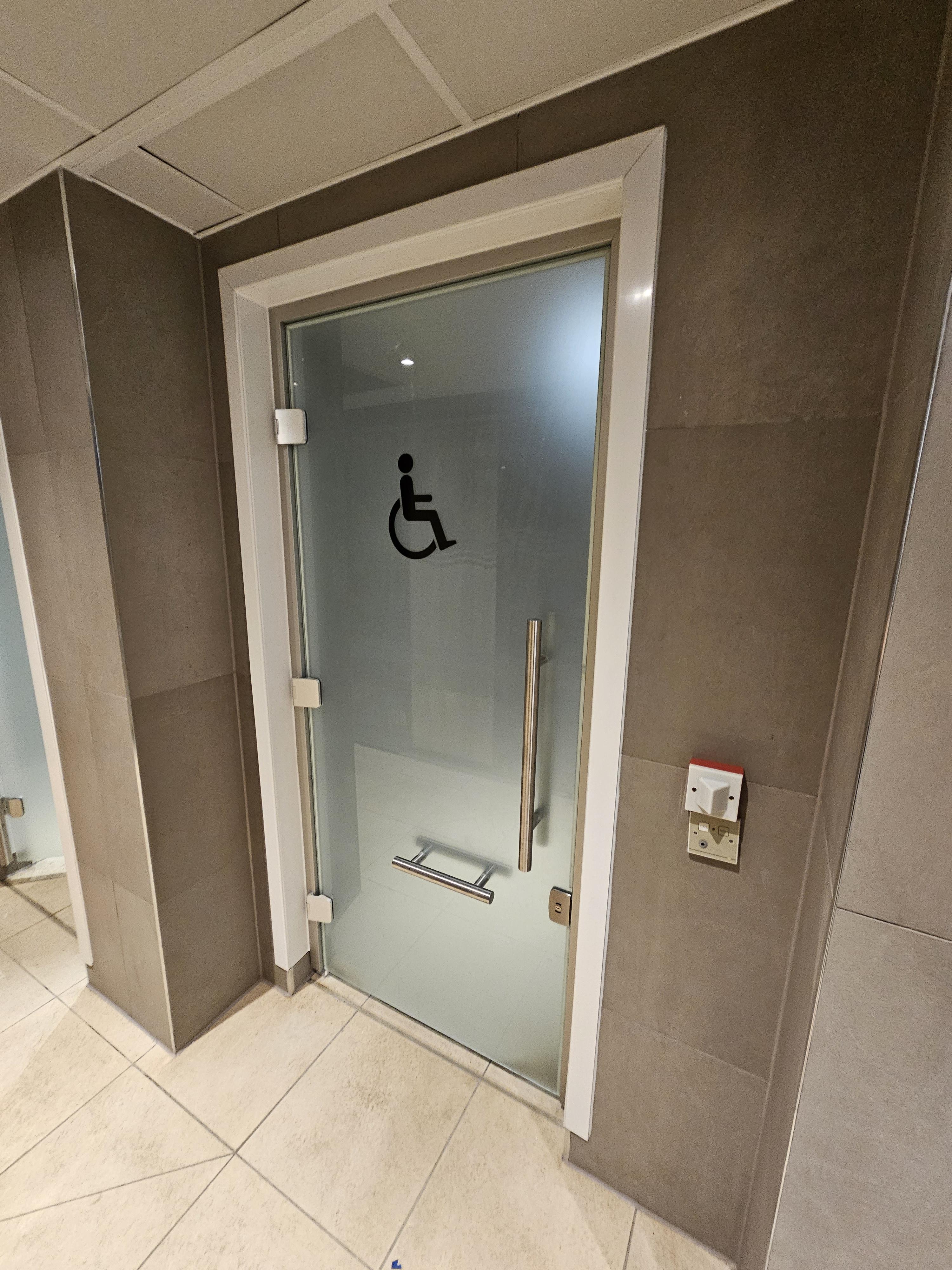
Clear directional signs can transform the way people navigate your space. They reduce confusion, improve safety, and enhance the overall visitor experience. Let’s delve into creating effective wayfinding systems.
Designing for Smooth Navigation
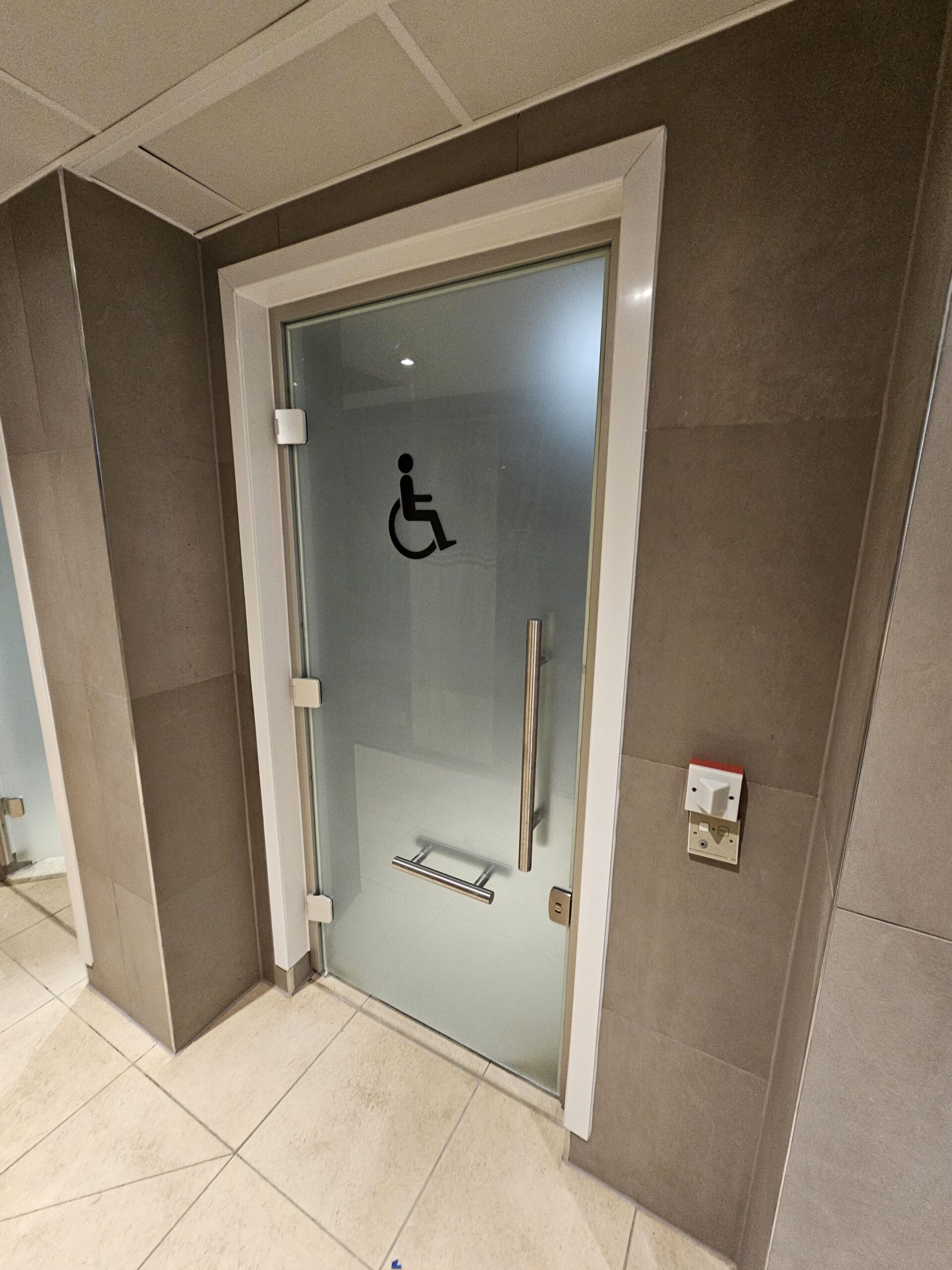
Good wayfinding design is about simplicity and clarity. Signs should be easy to read and strategically placed to guide users effortlessly through your space. Consider using Braille signage UK and tactile signs UK for accessibility. A well-designed system not only directs but also reassures visitors, making their experience more enjoyable. As highlighted by Altius Graphics, considering the user journey is crucial in wayfinding design.
Importance of Compliance Standards
Ensuring that your signage complies with standards such as BS 8300, Building Regulations Part M, and ISO 7010 symbols is not just a legal requirement but also a commitment to safety and accessibility. These standards ensure that everyone, regardless of ability, can navigate your space safely. By adhering to these regulations, you demonstrate a commitment to inclusivity, which can enhance your brand reputation.
Using Technological Advancements
Technology can elevate your wayfinding system. Incorporating digital signs or interactive kiosks can provide dynamic directions and updates. These tools allow for real-time changes, which can be invaluable in complex spaces. Floor graphics with R10 slip rating can also be used for guiding foot traffic while ensuring safety. Embracing technology in your wayfinding system not only improves functionality but also positions your brand as forward-thinking.
Practical Steps for Improved Movement
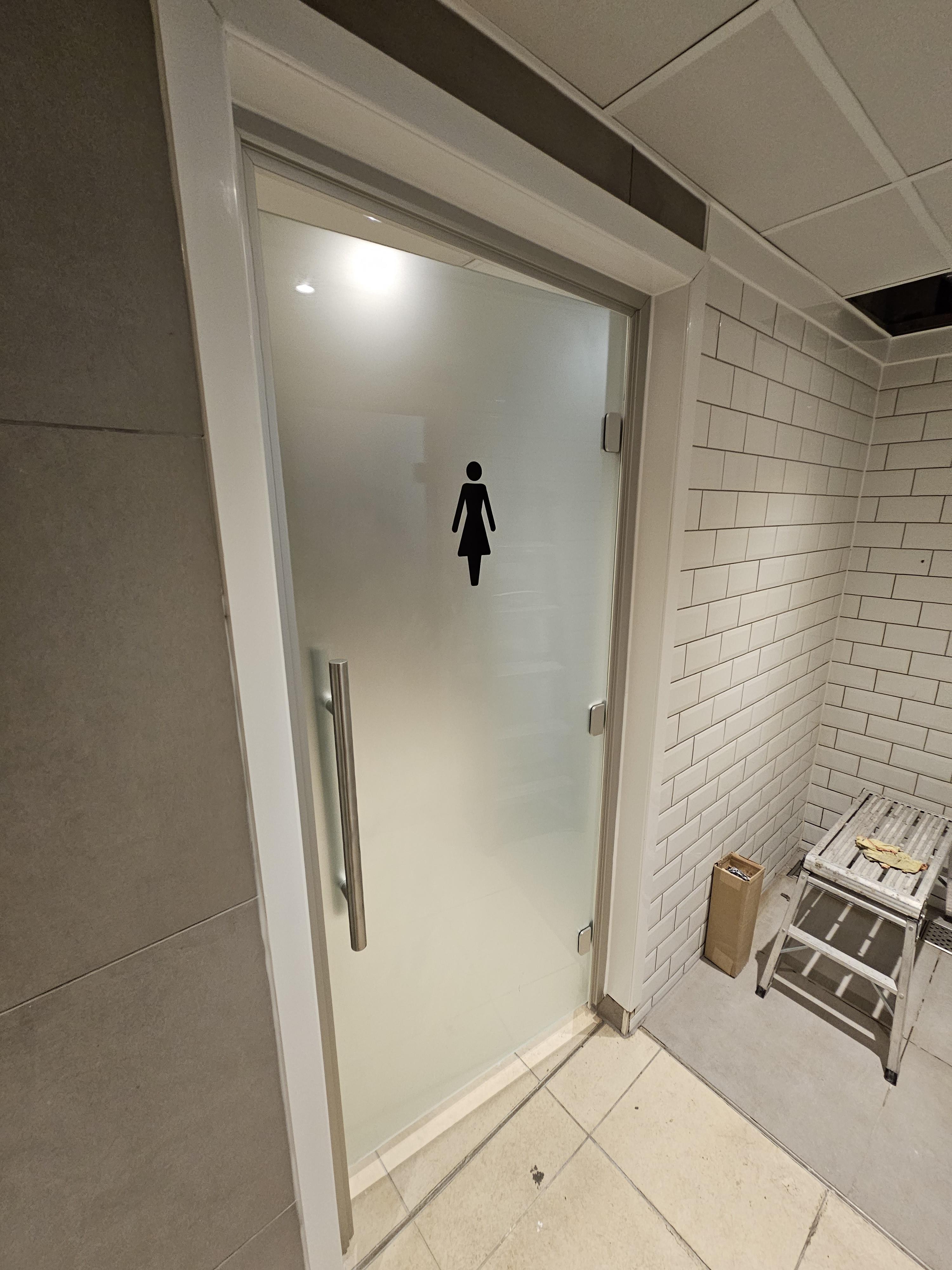
By now, you understand the importance of internal branding and wayfinding. Let’s explore some practical steps to implement these concepts effectively.
Streamlining the Site Survey Process
Before any signage installation, a thorough site survey is essential. This involves assessing the layout, understanding traffic flow, and identifying key decision points. A detailed survey ensures that signs are placed optimally and that they serve their intended purpose. This step is crucial in minimizing disruptions and ensuring a smooth installation process. It also allows for the identification of any potential challenges early on.
Prototyping for Optimal Solutions
Prototyping allows you to test different signage designs and placements before finalizing. This step helps in identifying what works best in your space and can prevent costly mistakes. By creating prototypes, you can gather feedback and make necessary adjustments, ensuring the final product meets your needs perfectly. Prototyping is a valuable step in achieving optimal results and ensuring user satisfaction.
Out-of-Hours Installation Benefits
Installing signage during off-peak hours minimizes disruptions to your business operations. It ensures that your staff and customers are not inconvenienced and allows the installation team to work more efficiently. This approach is particularly beneficial for businesses that operate round-the-clock or have peak trading hours. By opting for out-of-hours installation, you ensure a seamless transition and maintain business continuity.
By implementing these practical steps, you can significantly improve movement within your business environment, enhancing both the visitor experience and brand impact.