Most vehicle wraps fail sooner than you expect. That’s often down to the wrong choice of materials or poor installation. Understanding the key factors behind wrap durability and finish quality can save your fleet time and money. In this post, you’ll learn what really matters—from premium cast vinyl and matched overlaminates to edge sealing and post-heat processes—all backed by Midland Signs’ 20 years of UK-wide expertise.
Factors Influencing Wrap Durability
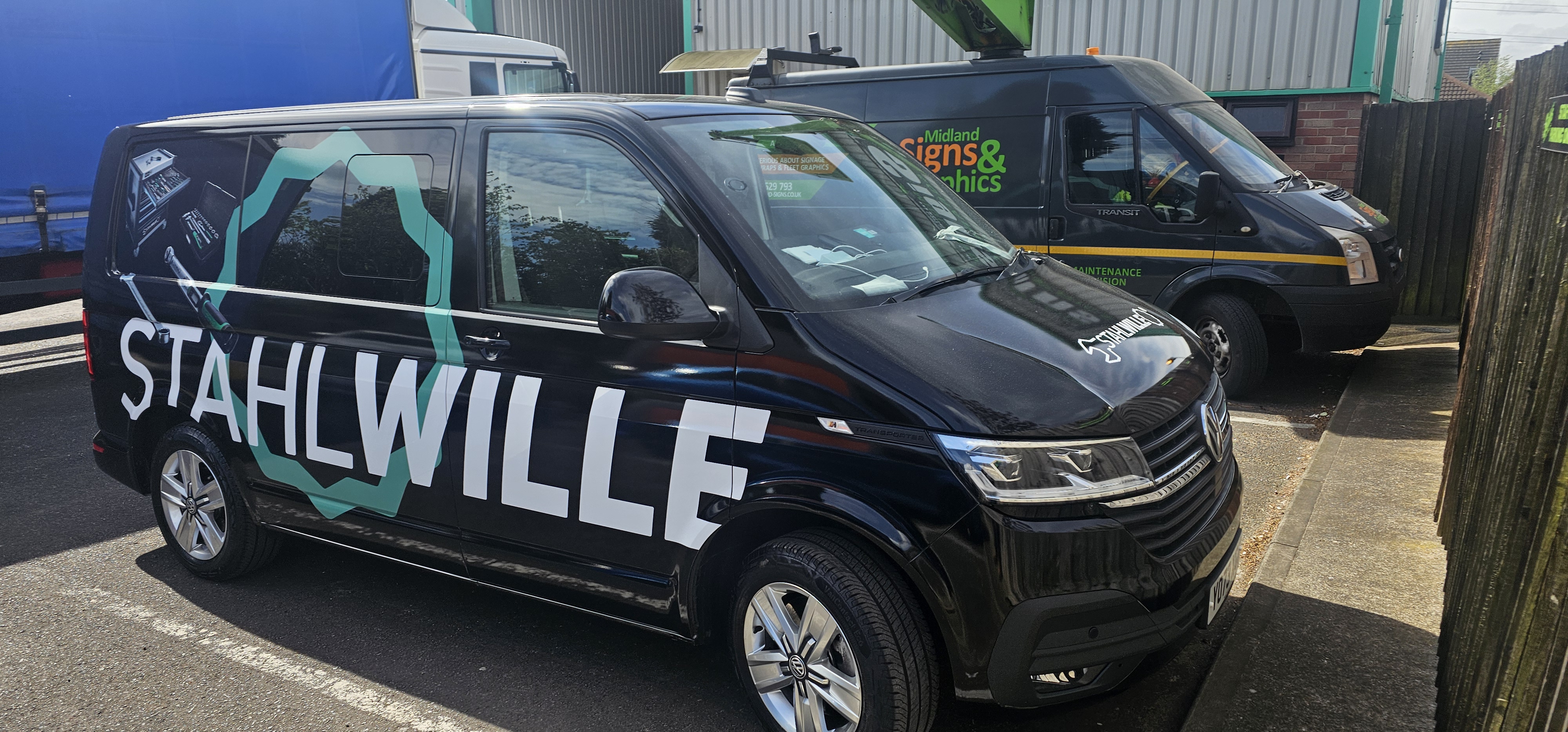
Knowing what makes a vehicle wrap last can save you time and money. Let’s explore the key elements that ensure your wraps stand the test of time.
Importance of Premium Cast Vinyl
Choosing the right material is crucial for wrap longevity. Premium cast vinyl is a top choice due to its flexibility and durability. Unlike calendered vinyl, it conforms easily to vehicle curves, reducing the risk of peeling or cracking. This means your wrap stays intact, even with regular wear and tear.
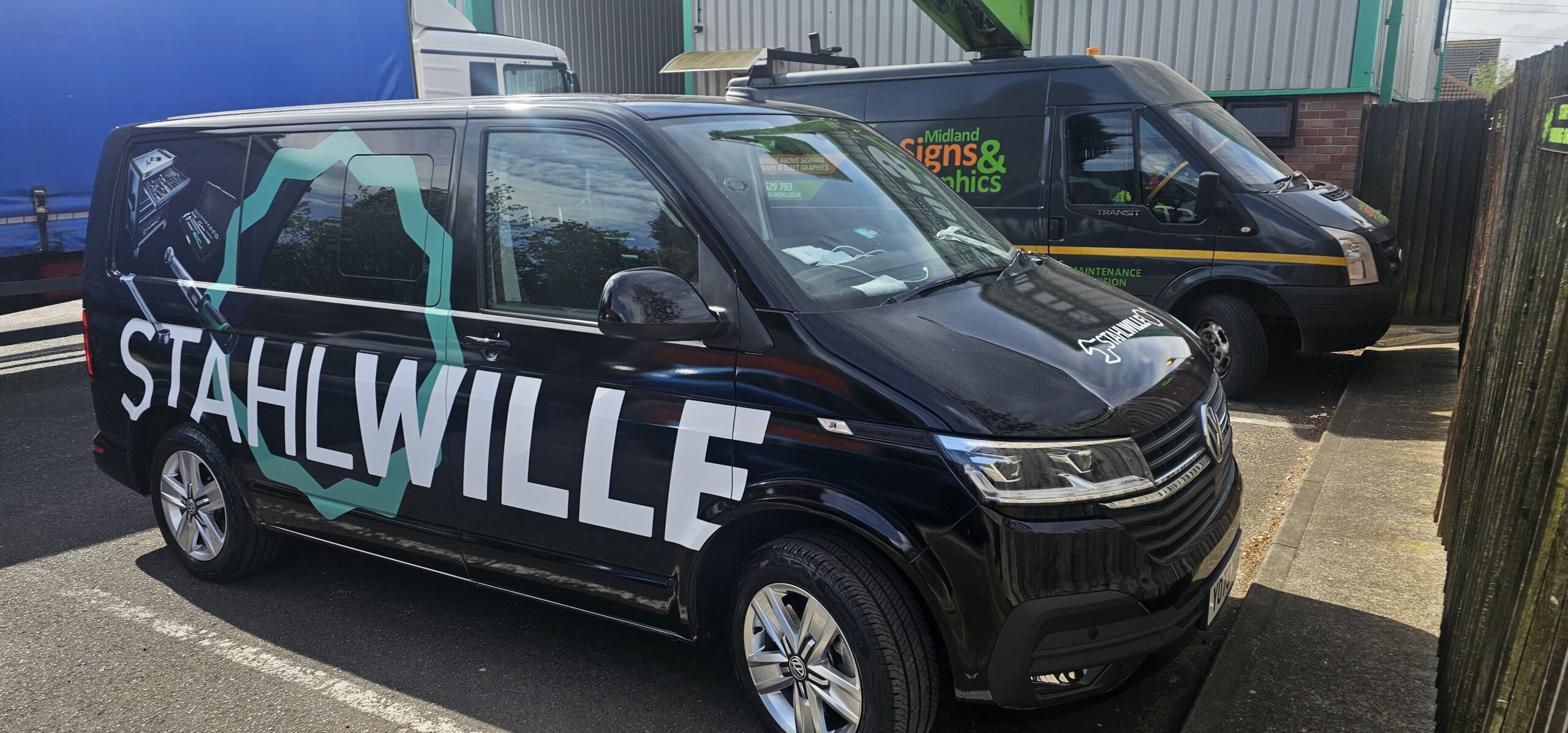
An example: A logistics company used cast vinyl on their fleet. After three years, their wraps still looked new, while others had begun to deteriorate. The secret? Cast vinyl holds colour and form much better, offering long-lasting vehicle branding.
Role of Matched Cast Overlaminate
A matched cast overlaminate adds an extra layer of protection. It guards the wrap against UV rays, scratches, and environmental damage. Without it, even the best vinyl can fade or suffer from surface abrasions over time.
Picture this: A delivery service used overlaminates on their van wraps. The result? Vibrant graphics that resisted fading, even under harsh sunlight. This layer preserves colours and extends the life of your wrap, keeping your fleet looking sharp.
Significance of Edge Sealing Tape
Ensuring the edges of your wrap are sealed properly prevents moisture and debris from causing damage. Edge sealing tape provides a barrier that keeps the wrap from lifting. When edges aren’t sealed, water can seep in, leading to bubbling and peeling.
Consider a taxi company that faced peeling wraps. After applying edge sealing tape, their wraps stayed intact, even in heavy rain. This simple step can drastically improve wrap durability and keep your branding pristine.
Achieving Quality Finish in Vehicle Wraps
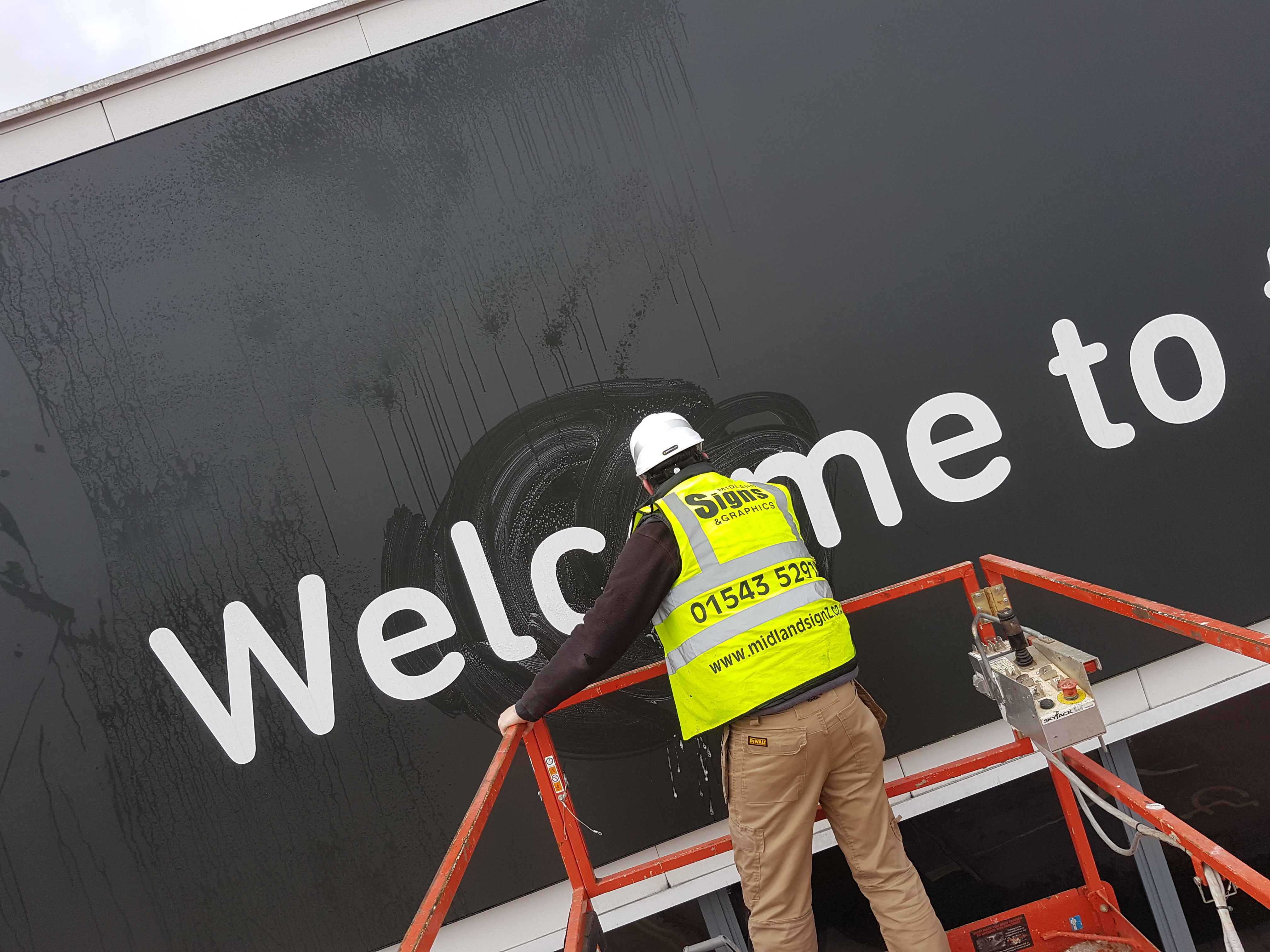
The look of your vehicle wrap is just as important as its durability. Here’s how to achieve a finish that impresses and lasts.
Precision in Contour Cutting
Precision in contour cutting ensures your wrap fits the vehicle perfectly. This technique prevents unsightly overlaps and bubbles, which can ruin the appearance. A snug fit also means less wind resistance and wear.
Imagine a sports car wrapped with precision cutting. The sleek, flawless finish not only turned heads but also maintained its look for years, proving that the right cut makes all the difference.
Benefits of UV-Resistant Inks
UV-resistant inks are essential for maintaining vibrant colours. These inks resist sun bleaching, ensuring your wrap remains eye-catching. Without them, colours can fade quickly, reducing the impact of your branding.
A florist with a fleet of vans used UV-resistant inks. Their wraps stayed bright and inviting, attracting customers even on sunny days. The benefit? Consistent exposure and brand recognition without the need for frequent reprints.
Ensuring Colour Consistency Across Fleet
Maintaining the same colour tone across all vehicles is vital for brand consistency. Colour consistency enhances brand recognition and professionalism. This is achieved through precise colour matching during production.
A nationwide courier service had varied van colours, leading to a disjointed look. By standardising with colour-matched wraps, they achieved a uniform fleet that reinforced their brand identity. The outcome? A cohesive fleet that projected reliability and trust.
Enhancing Fleet Branding with In-House Production
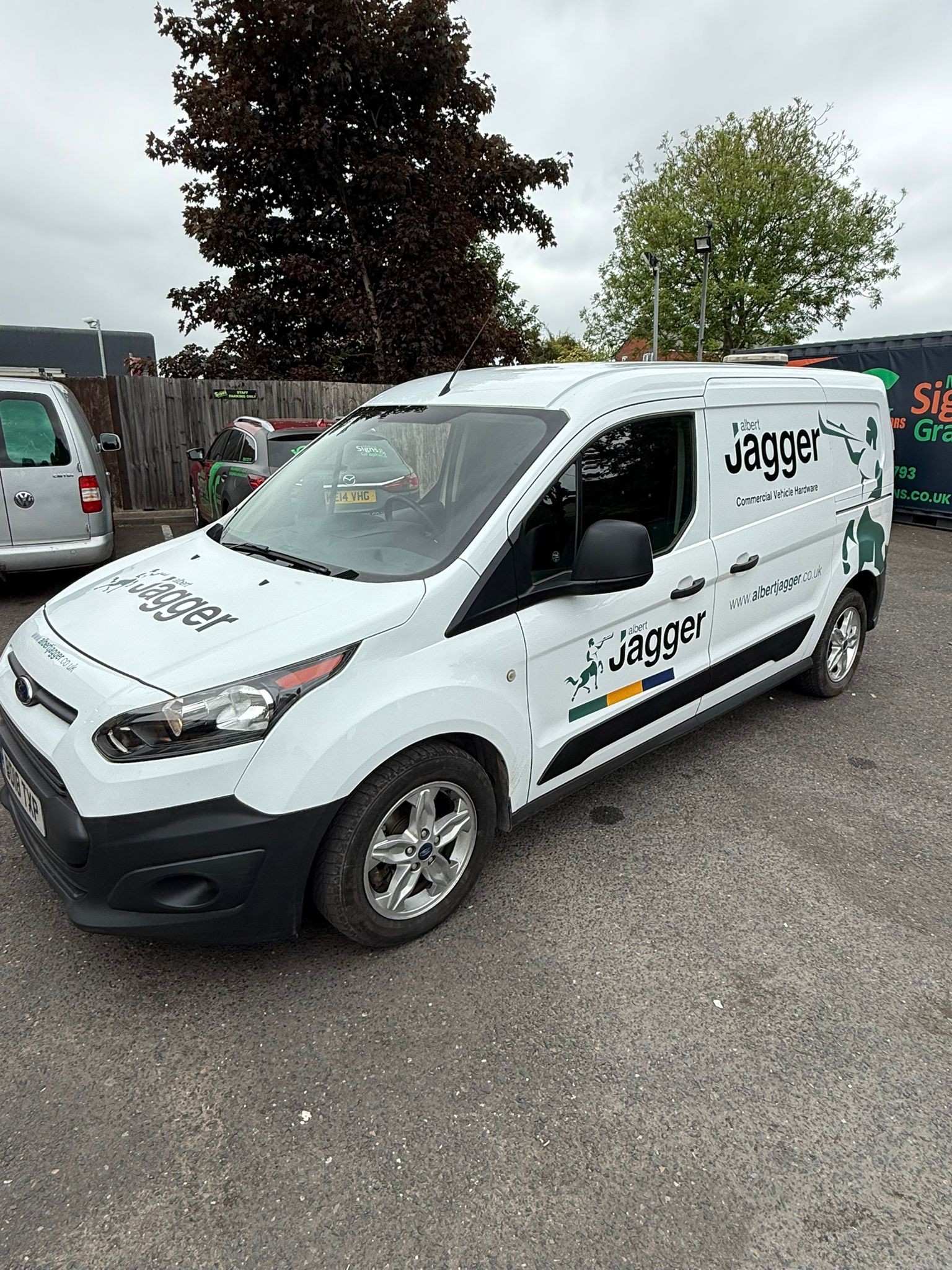
In-house production offers control and consistency, vital for effective fleet branding. Here’s why it matters.
Advantages of UK-Wide Installation
With UK-wide installation, you get consistent quality across locations. This approach reduces variability in application, ensuring each vehicle receives the same care and expertise.
A retail chain used UK-wide installers for their delivery vans. The result was uniform branding that aligned with their store aesthetics, creating a seamless customer experience from store to doorstep.
Minimising Downtime During Wrap Application
Minimising downtime is crucial for fleet operations. Efficient scheduling and expert application mean your vehicles get back on the road quickly. This reduces operational disruptions and maximises productivity.
Consider a food delivery service that faced delays due to long wrap installations. By streamlining their process, they kept their fleet operational, meeting customer demands without hiccups.
Importance of Post-Heat Process in Vehicle Wraps
The post-heat process strengthens the bond between the vinyl and vehicle surface. This step ensures the wrap adheres properly, reducing the likelihood of peeling. It also helps the vinyl conform to curves and contours, enhancing the finish.
A transport company skipped this step, resulting in peeling wraps. After incorporating post-heating, they noticed a significant improvement in wrap longevity and appearance. This process is essential for a durable, eye-catching wrap.
In conclusion, understanding the technical aspects of vehicle wraps can greatly enhance your fleet’s appearance and longevity. By focusing on quality materials, precise techniques, and consistent branding, you ensure your vehicles look great and stay that way.