Multi-site signage rollout often falls short when each location looks like a different brand altogether. You know the frustration: inconsistent colours, varying materials, and mismatched illumination across stores dilute your brand’s impact. This guide explains how strict controls, master signage specifications, and precise production methods keep your retail signage programme consistent at every UK site. Read on to see how Midland Signs manages every step in-house, delivering flawless brand compliance nationwide.
Ensuring Signage Consistency Across Locations
For any business with multiple sites, ensuring uniformity in signage is crucial. Let’s delve into how this can be achieved effectively.
Master Signage Specifications
Creating a detailed specification is your first step. This document outlines every element of your signage: from dimensions to materials. By having this, you ensure that each location uses the same guidelines, avoiding any discrepancies. Your specifications should be clear and easily accessible to all involved parties. This way, every team knows what is expected. The result? A cohesive appearance across all locations.
Colour Management and Standards
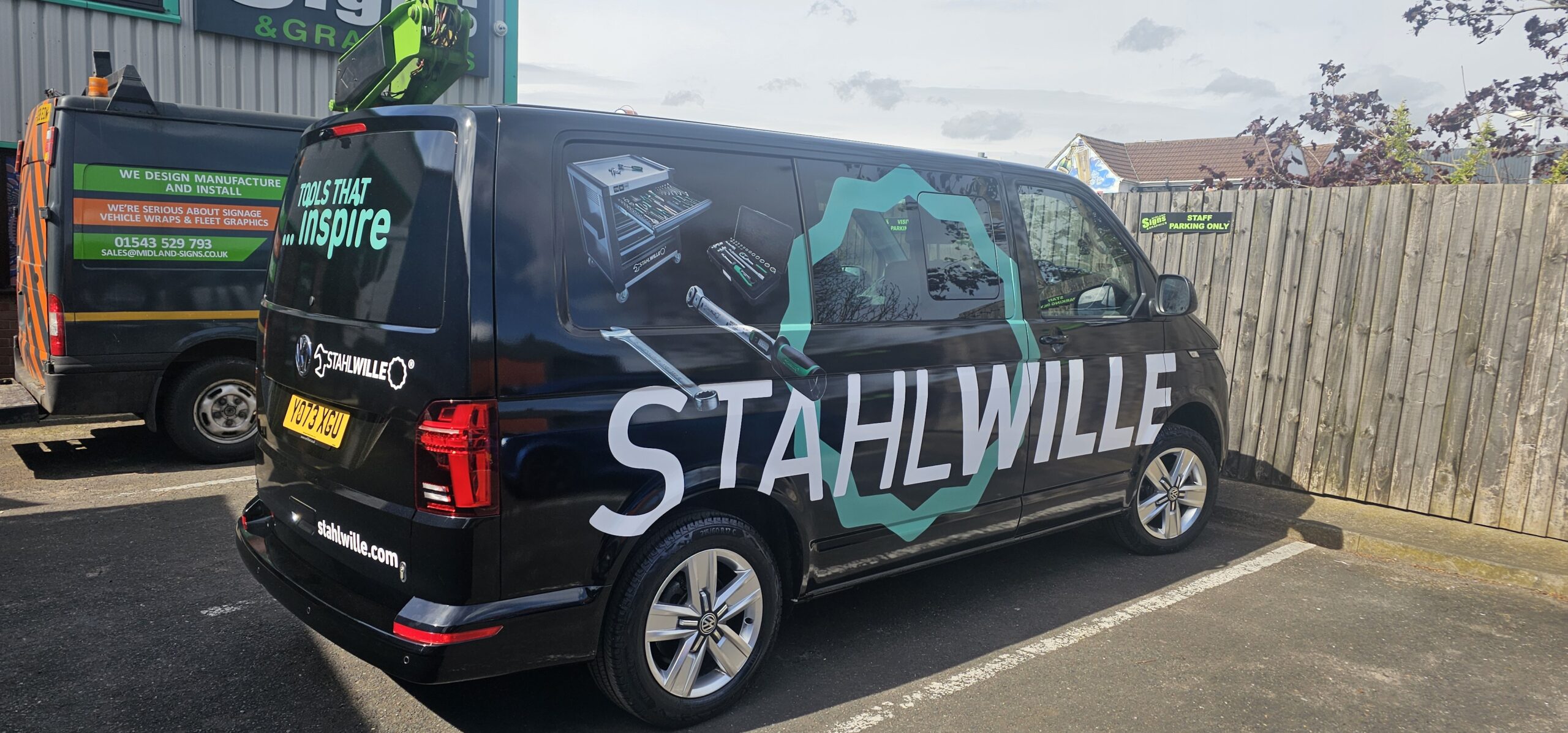
Colour plays a vital role in brand identity. Using precise standards like Pantone and RAL ensures that the colours are consistent everywhere. This consistency reinforces brand recognition. Midland Signs employs these standards, making certain that your brand colours are uniform across all sites. With this control, your brand remains strong, no matter the location.
Prototyping and First-Article Approval
Before rolling out signage on a large scale, it’s essential to prototype. This step allows you to see a real-world example of the final product. First-article approval is equally important, as it checks the prototype against your specifications. This process catches errors early, preventing costly revisions down the line. When you approve the prototype, you ensure that what’s delivered matches your vision.
Advanced Production Techniques for Consistent Results
Achieving consistency isn’t just about planning; it’s also about how the signage is produced. Let’s explore the production techniques that make a difference.
CNC Signage Production and UV Printing
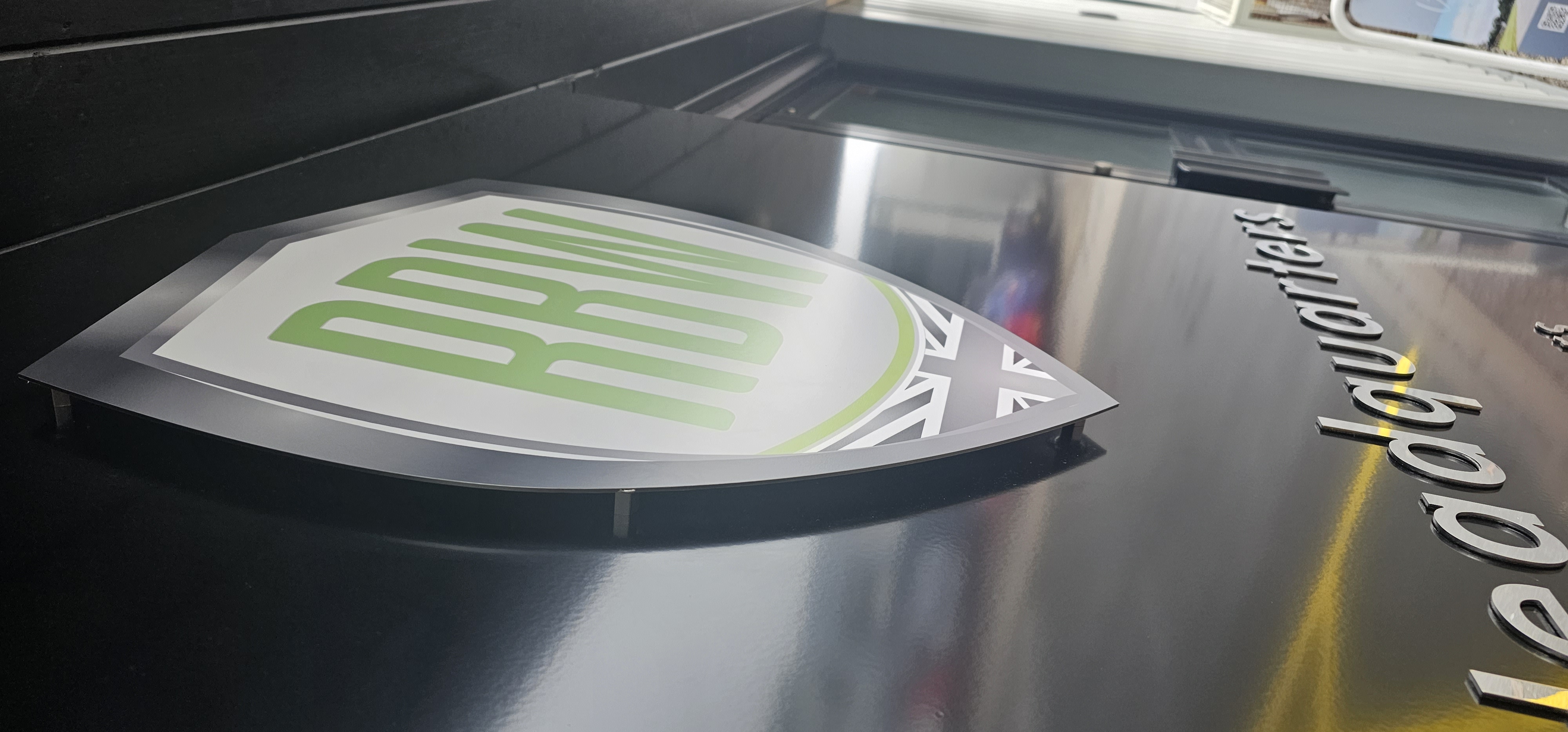
Precision is key in signage production. CNC machines cut materials with incredible accuracy, ensuring every piece is identical. UV flatbed printing adds vibrant imagery and text, maintaining high quality. This combination guarantees that your signage is not only consistent but also visually impressive at every location.
Channel Letters and Illumination Standards
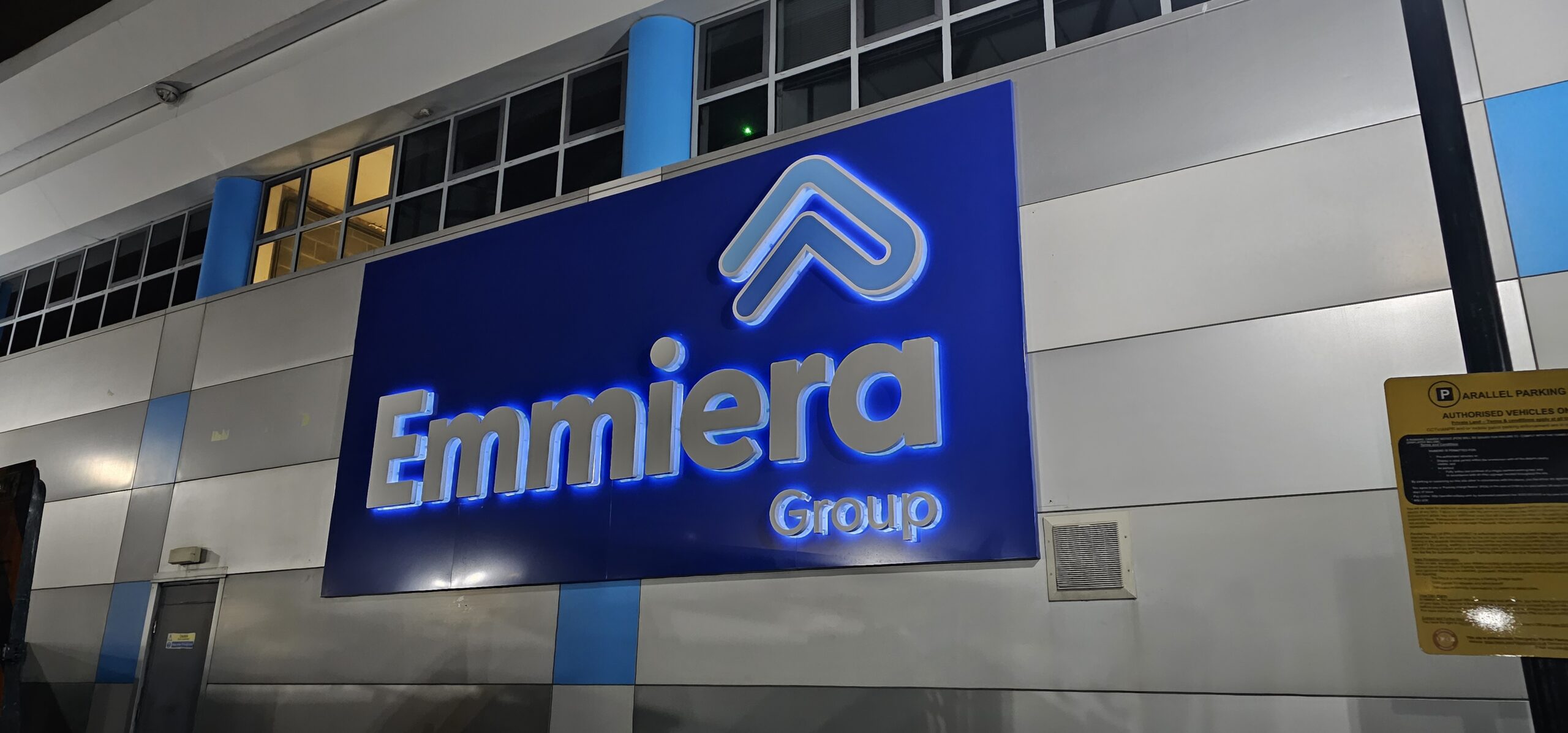
Illuminated signs can vary greatly in quality. By using standardised channel letters, you ensure that each sign shines uniformly. This consistency is vital for nighttime visibility and brand impact. Your customers will notice the professional finish, and your brand will stand out, regardless of the hour.
Vinyl Graphics and Wayfinding Consistency
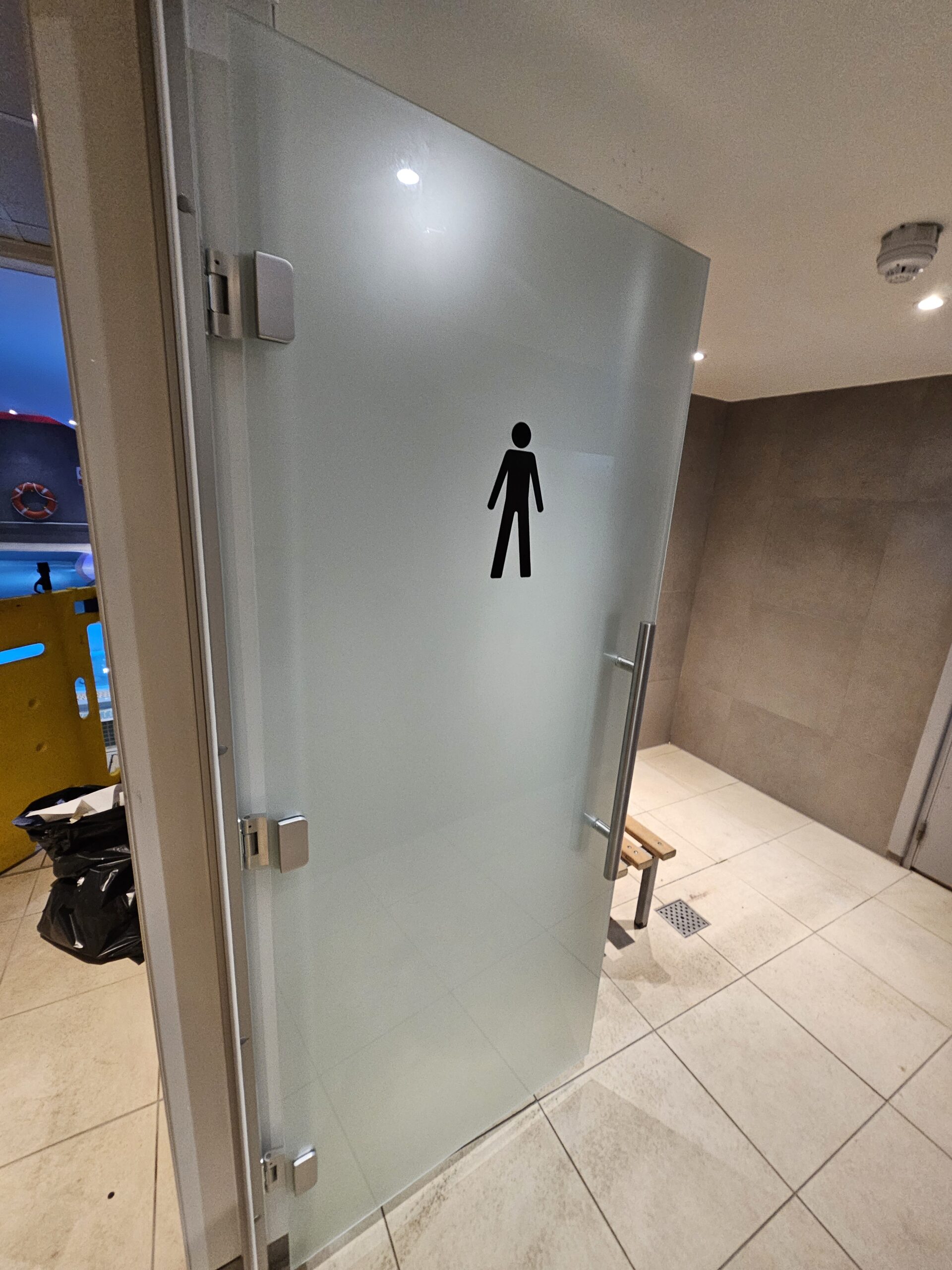
Wayfinding signage guides your customers effectively. Vinyl graphics offer a versatile solution for these signs. Consistent design and placement across sites help customers navigate with ease. Midland Signs ensures that wayfinding remains uniform, enhancing the customer experience and reinforcing your brand’s reliability.
Quality Assurance and Site Management
Maintaining high quality and managing sites effectively are the final pieces of the puzzle. Here’s how to achieve it.
Site Survey Checklist and Installer Method Statements
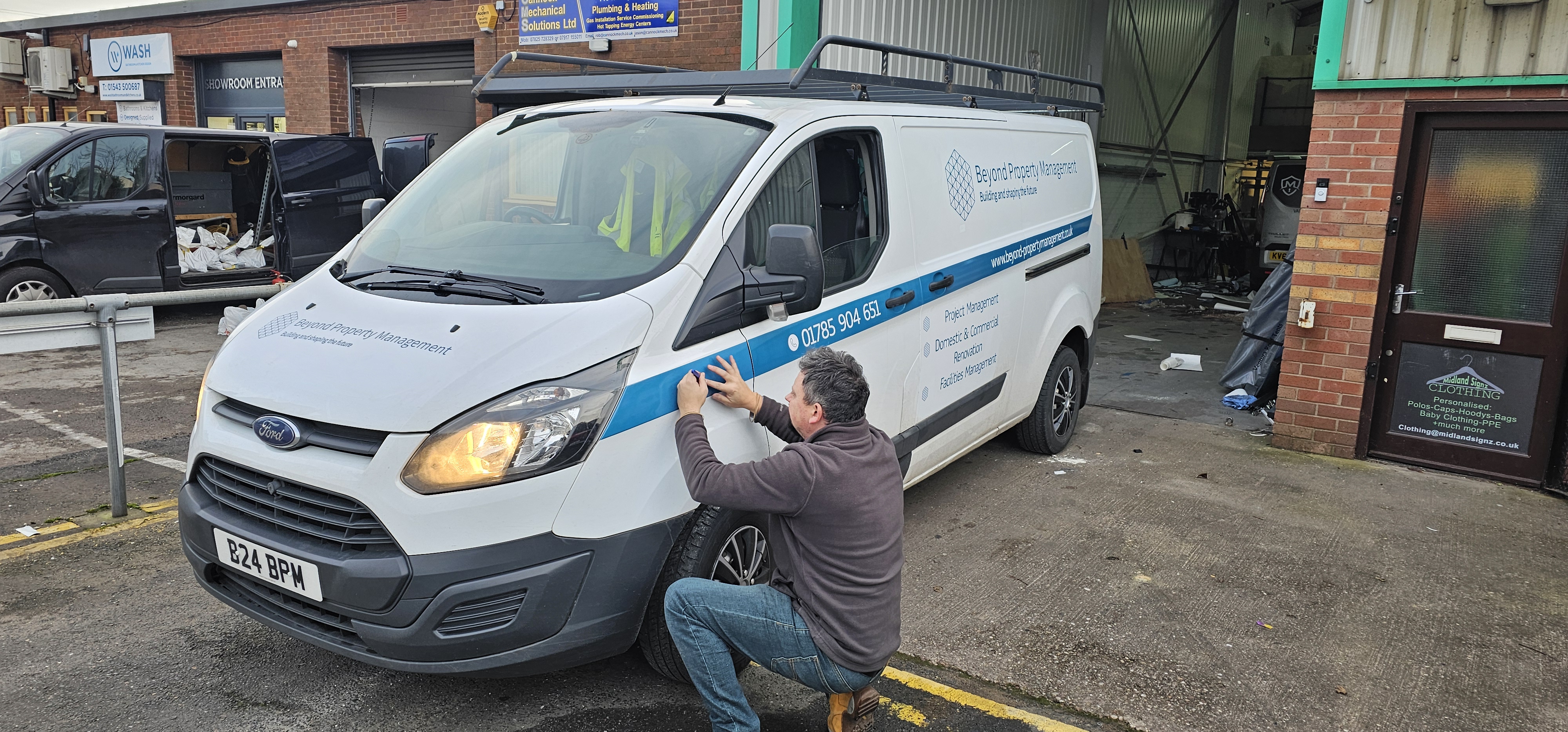
Before installation, a detailed site survey is crucial. This checklist ensures that all conditions are optimal for signage placement. Installer method statements provide a step-by-step guide for the installation process. These documents ensure that installations are done correctly, reducing errors and maintaining consistency.
QA Sign-Off Checklist and Photographic Approval
Quality assurance is not complete without a thorough sign-off process. A QA checklist verifies that every detail aligns with your specifications. Photographic approval offers visual confirmation that the finished product matches the prototype. This step is crucial for maintaining the high standards expected by your brand.
Asset Registers and Maintenance Packs
An asset register keeps track of all signage installations, ensuring nothing is overlooked. Maintenance packs provide guidelines for upkeep, prolonging the life of your signage. By implementing these tools, you not only maintain quality but also enhance the longevity of your investments.
Frequently Asked Questions
How do master signage specifications help in consistency?
Master signage specifications ensure all locations use the same detailed guidelines. This avoids discrepancies in dimensions, materials, and overall design, leading to a unified brand appearance.
Why is colour management important in signage?
Colour management ensures your brand colours are consistent across all sites. Using standards like Pantone and RAL means your brand recognition remains strong, no matter where your signage is located.
What role does prototyping play in signage production?
Prototyping allows you to see a real-world example before large-scale production. First-article approval ensures this prototype matches your specifications, catching errors early and saving costs.
How does CNC production improve signage quality?
CNC machines provide precision in cutting materials, ensuring every piece is identical. Combined with UV printing, this technique guarantees high-quality, consistent signage for your brand.
What are asset registers and maintenance packs?
Asset registers track all signage installations, while maintenance packs offer guidelines for upkeep. These tools help maintain quality and extend the life of your signage investments.