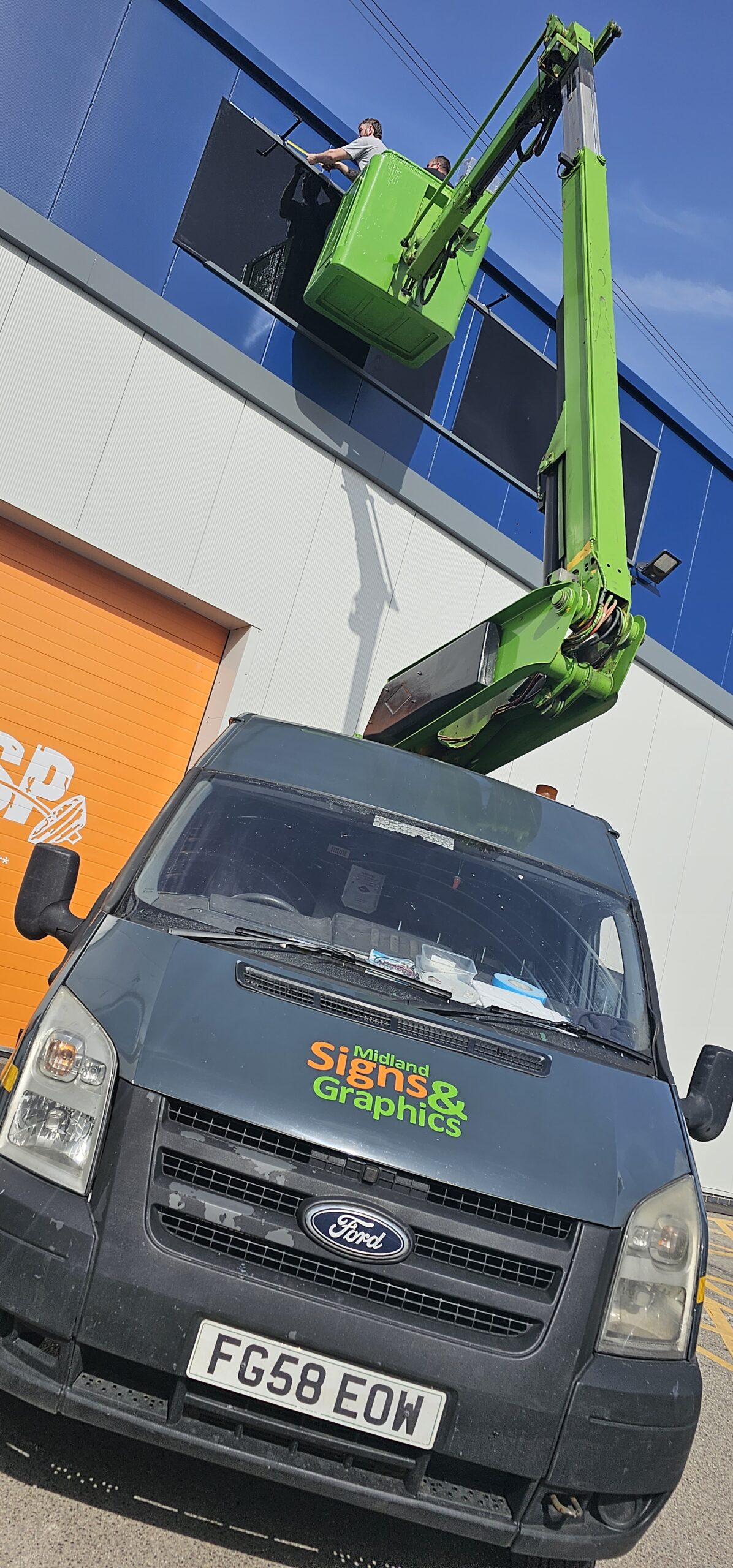
Most shop refits stall because downtime wasn’t planned for. If your commercial unit refurbishment drags on, it costs more than money—it damages your brand and frustrates customers. With precise shop refit planning, phased refit schedules, and out-of-hours installation, you can keep trading while upgrading. We’ll show you how to manage surveys, compliance, and fast in-house signage production for minimal downtime and a smooth store relaunch. Learn more about how to phase work to reduce downtime.
Shop Refit Planning Essentials
Planning a shop refit requires strategic thinking to keep your business operational while upgrades take place. Let’s delve into the essentials for a successful refurbishment.
Conducting a Comprehensive Site Survey
Begin with a thorough site survey to understand the specific needs of your space. This will help you identify any potential challenges early and plan accordingly. Consider the layout, existing structures, and any logistical issues that might arise. A detailed survey ensures you have a clear picture of what changes are needed, helping to avoid unexpected surprises during the refit process.
Creating a Phased Refit Programme
A phased refit programme allows you to keep your shop open while renovations occur. Break down the project into manageable stages, focusing on one area at a time. This approach minimises disruption and keeps customer access as smooth as possible. By planning each stage carefully, you can maintain business continuity and ensure a steady flow of improvements without overwhelming your operations.
Ensuring CDM Compliance and RAMS Documentation
Compliance with CDM regulations and having RAMS documentation is crucial in any refurbishment project. Ensure all safety measures are in place and that risk assessments are conducted for each phase of the project. Proper documentation not only ensures legal compliance but also protects your staff and customers. It’s a small step that provides significant peace of mind, knowing the project adheres to safety standards.
Minimising Downtime During Refits
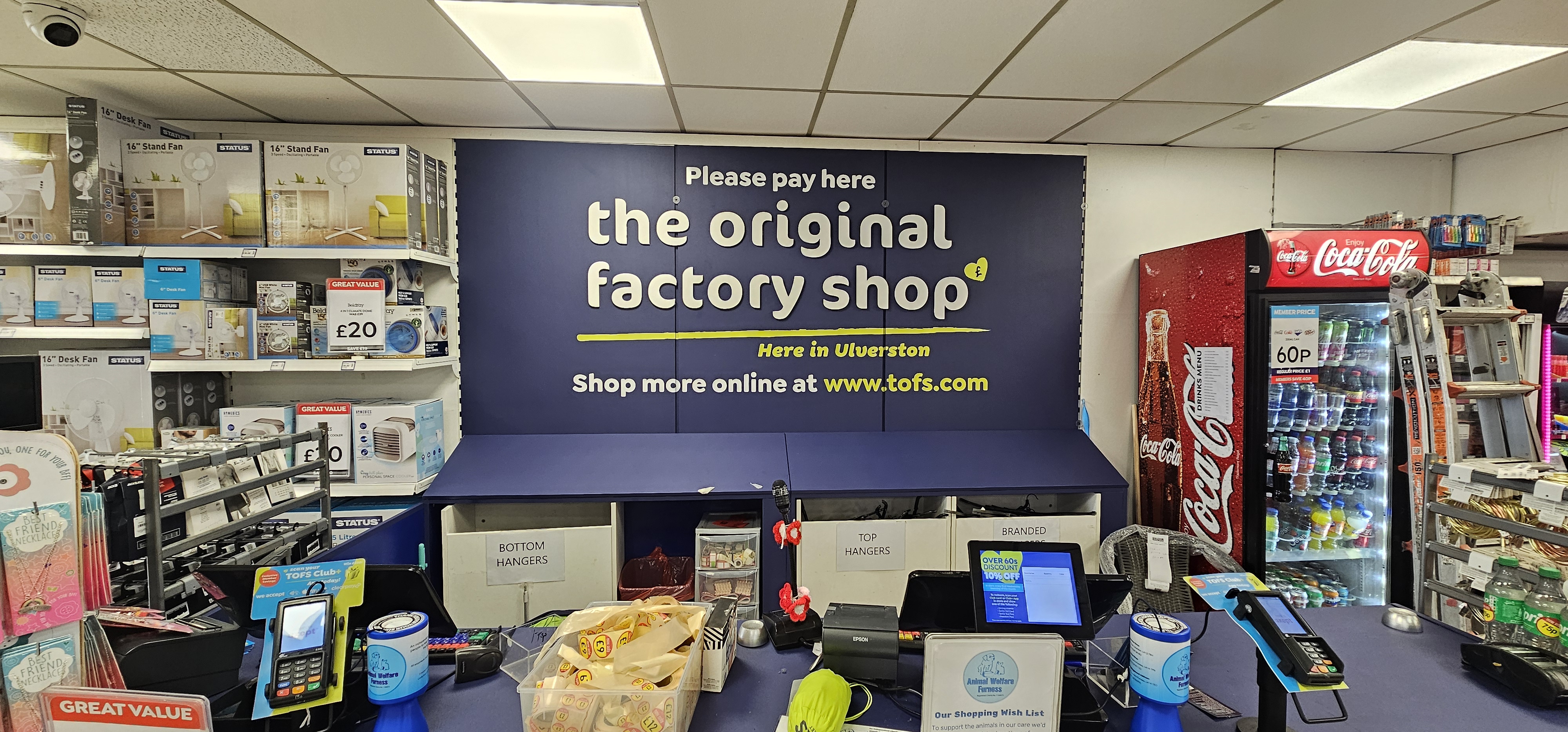
Reducing downtime is vital to maintaining customer satisfaction and protecting your revenue streams. Here are some strategies to help you achieve this.
Out-of-Hours Installation Strategies
Conducting installations during out-of-hours periods is an effective way to minimise disruption. Plan significant works for evenings or weekends when your business is closed. This strategy ensures that the refit progresses without affecting trading. By working around your operational hours, you maintain a seamless experience for customers while the improvements take shape.
Fast Turnaround Signage with In-House Production
In-house signage production offers quicker turnaround times, allowing for rapid responses to any changes in design or requirements. This flexibility ensures that your signage is installed promptly, keeping the refit on schedule. With control over production, you can ensure consistency and quality, reducing delays and maintaining the momentum of the refurbishment project.
Prioritising Night and Weekend Work
Prioritising work during nights and weekends is a smart move to keep your operations running smoothly. By scheduling tasks that are disruptive outside of regular hours, you can maintain a neat and tidy environment for your customers. This approach not only minimises inconvenience but also accelerates the overall timeline of your refit, helping you achieve a refreshed store faster.
Enhancing the Retail Environment
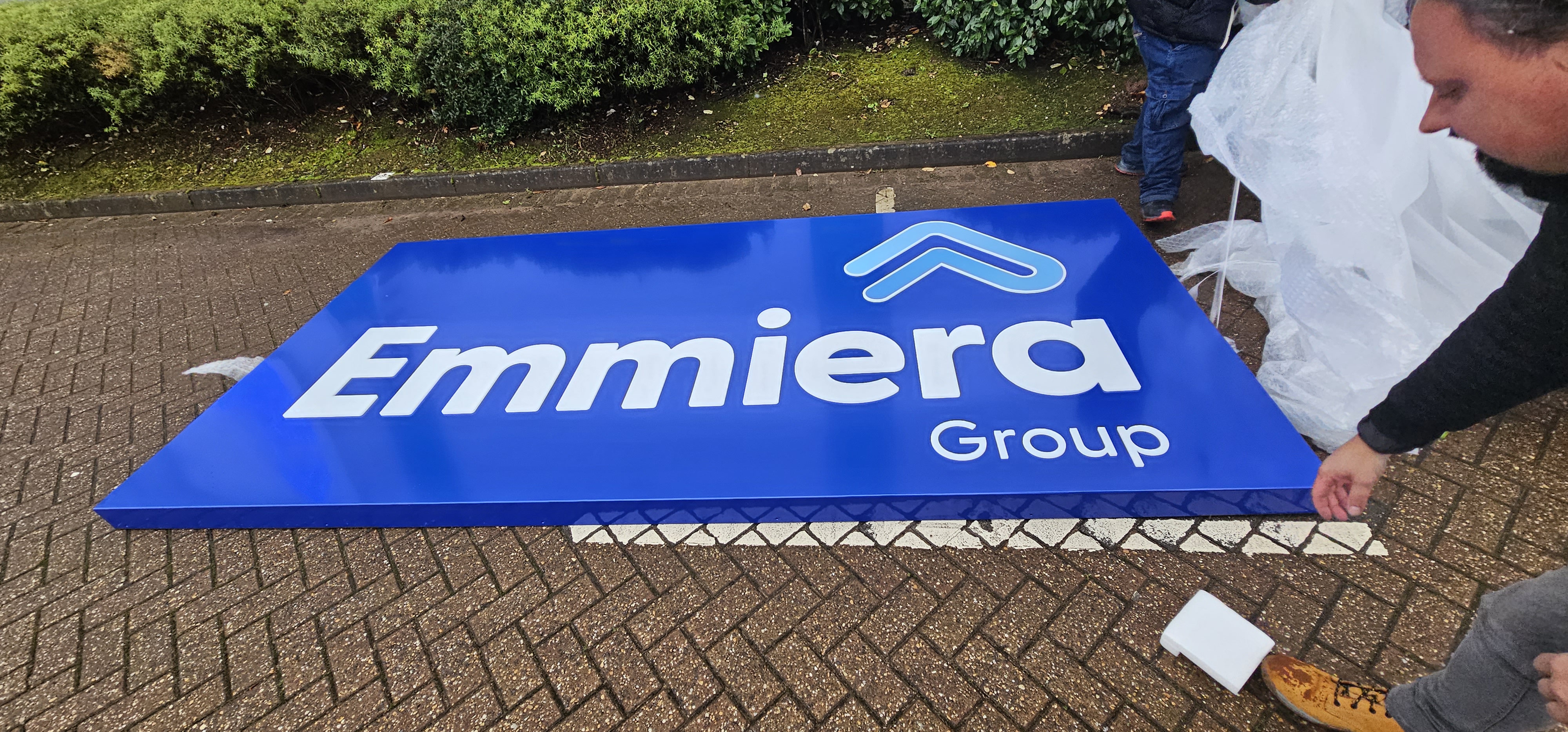
Revitalising your store’s appearance is key to attracting and retaining customers. Let’s explore some techniques to enhance your retail environment.
CNC Routing for Fascia Signage
CNC routing enables precision in creating fascia signage, offering a polished and professional look. This technology allows for intricate designs that make your storefront stand out. With custom options, you can reinforce your brand’s identity effectively. Investing in well-crafted signage ensures your business projects the image you want to convey to your customers.
Illuminated Shopfronts and Exterior Refresh
An illuminated shopfront enhances visibility and draws attention to your store, even after dark. Coupled with an exterior refresh, it creates a welcoming and modern appearance. Bright and inviting shopfronts can significantly impact customer perception and foot traffic. Don’t underestimate the power of lighting and a fresh facade in boosting your store’s appeal.
Internal Branding and Wayfinding Solutions
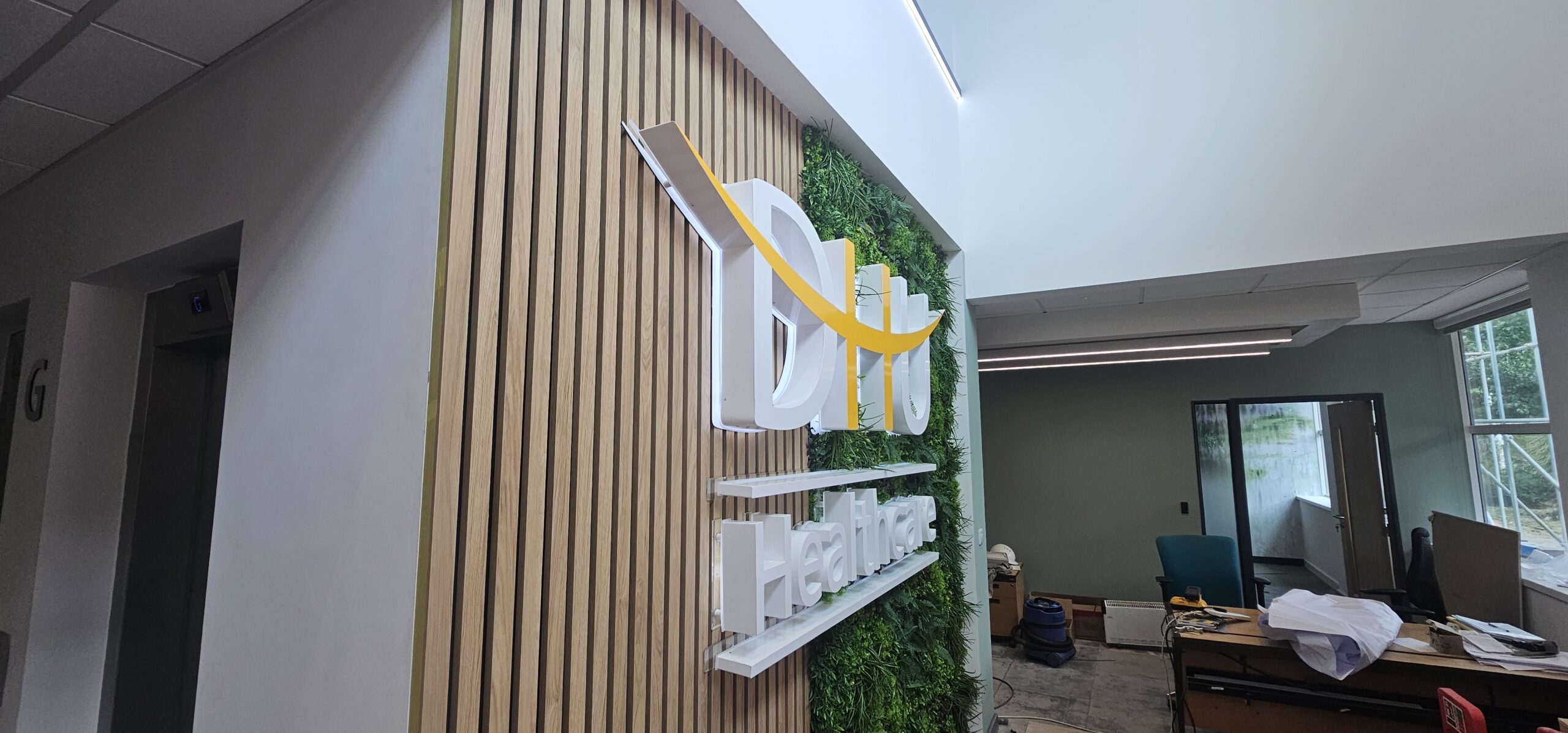
Internal branding and effective wayfinding solutions create a cohesive shopping experience for your customers. Clear signage and strategically placed branding elements guide customers through your space seamlessly. This not only improves navigation but also reinforces your brand at every touchpoint. By focusing on internal aesthetics, you enhance the overall customer experience, encouraging repeat visits.
Frequently Asked Questions
What is the importance of a site survey in a shop refit?
A site survey identifies potential challenges and helps plan the refurbishment accurately. It ensures you understand your space’s layout and logistical needs, preventing unexpected issues.
How can I minimise downtime during a retail fit-out?
Schedule work during out-of-hours periods and use phased programmes. This approach keeps your store operational while renovations are underway.
Why is in-house signage production beneficial?
In-house production offers faster turnaround times and quality control, ensuring consistent and timely signage installation during your refit.
What benefits do illuminated shopfronts provide?
They enhance visibility and attract attention, even at night. An inviting shopfront can increase foot traffic and improve customer perception.
How does internal branding improve the customer experience?
Effective wayfinding and consistent branding create a seamless shopping experience. It improves navigation and reinforces your brand throughout the store.