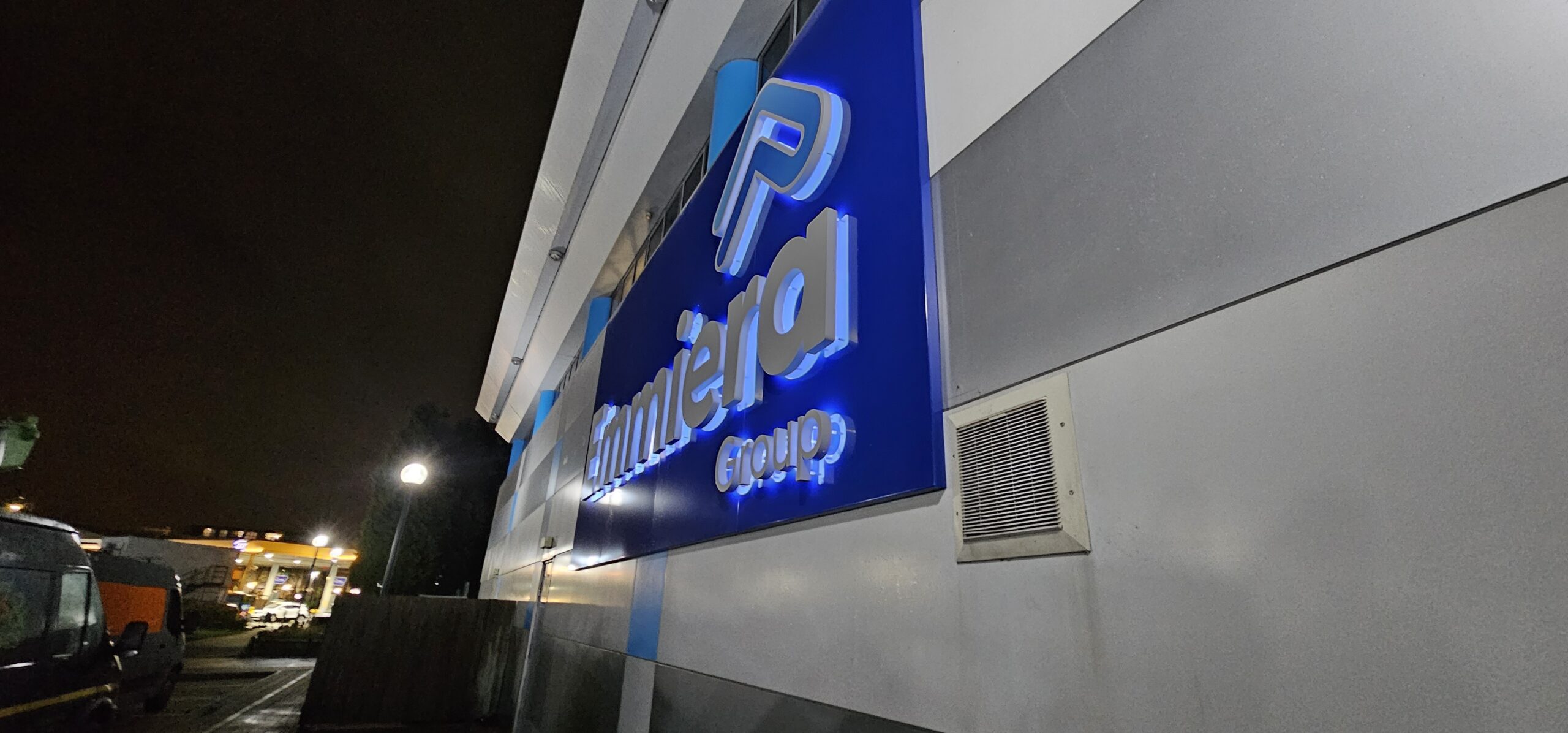
A multi-site signage rollout often feels like juggling too many balls at once. You need every location to reflect your brand perfectly, yet inconsistencies slip through and cause costly delays. This guide breaks down how to plan your rollout with proven steps that keep signage consistency tight across sites, using precise colour management, in-house production, and expert programme control. Read on to see how Midland Signs delivers flawless UK-wide installations with minimal downtime.
Planning a Multi-Site Signage Rollout
Rolling out signage across multiple locations requires precision and careful planning. To maintain uniformity and avoid discrepancies, follow these strategic steps.
Establishing Brand Guidelines
Brand guidelines are essential for maintaining your identity across locations. They standardise visuals, ensuring every sign reflects your brand. Start by creating a detailed document that includes font styles, logo placement, and colour palettes. This guide serves as your reference, minimising variations and keeping your brand recognisable.
A clear set of guidelines simplifies communication with your team and service providers. It ensures everyone works towards the same visual goals. Without this, you risk inconsistency, which can dilute brand identity and confuse customers. Invest time in developing comprehensive brand guidelines, as they are the foundation of a successful rollout.
Conducting Measured Site Surveys
Thorough site surveys are vital for effective signage planning. They allow you to assess each location’s unique features, informing size, placement, and materials for your signs. These surveys should consider foot traffic patterns, visibility, and any architectural challenges.
Conduct site surveys well ahead of installation. This proactive approach helps identify potential obstacles and allows you to plan for necessary adjustments. By understanding the specific needs of each site, you can tailor your signage for maximum impact. Skipping this step might lead to costly reworks later.
Ensuring Signage Consistency
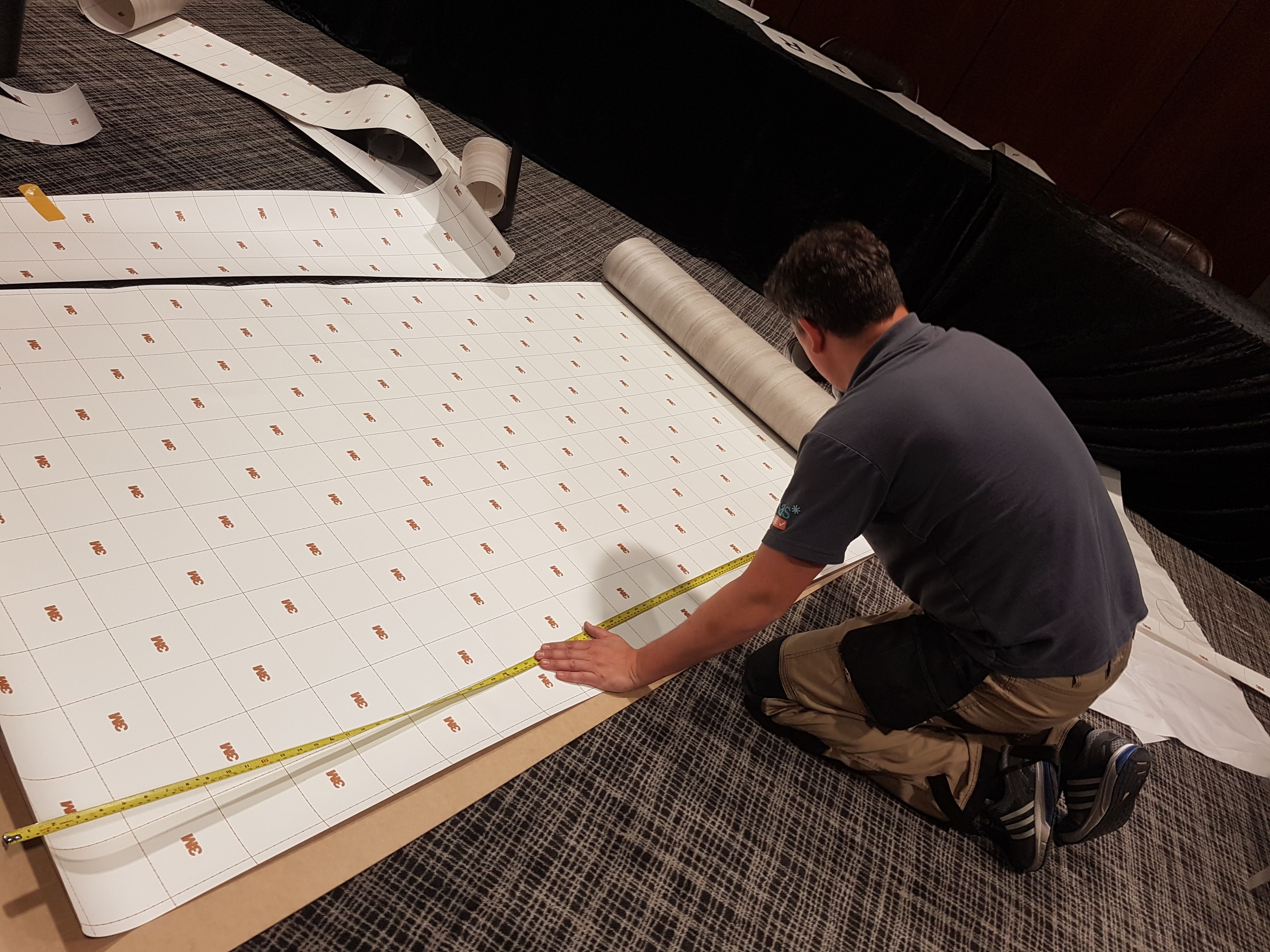
Achieving consistency in signage across multiple locations involves careful planning and execution. Here’s how to ensure every sign is uniform and aligned with your brand.
Developing a Sign Family
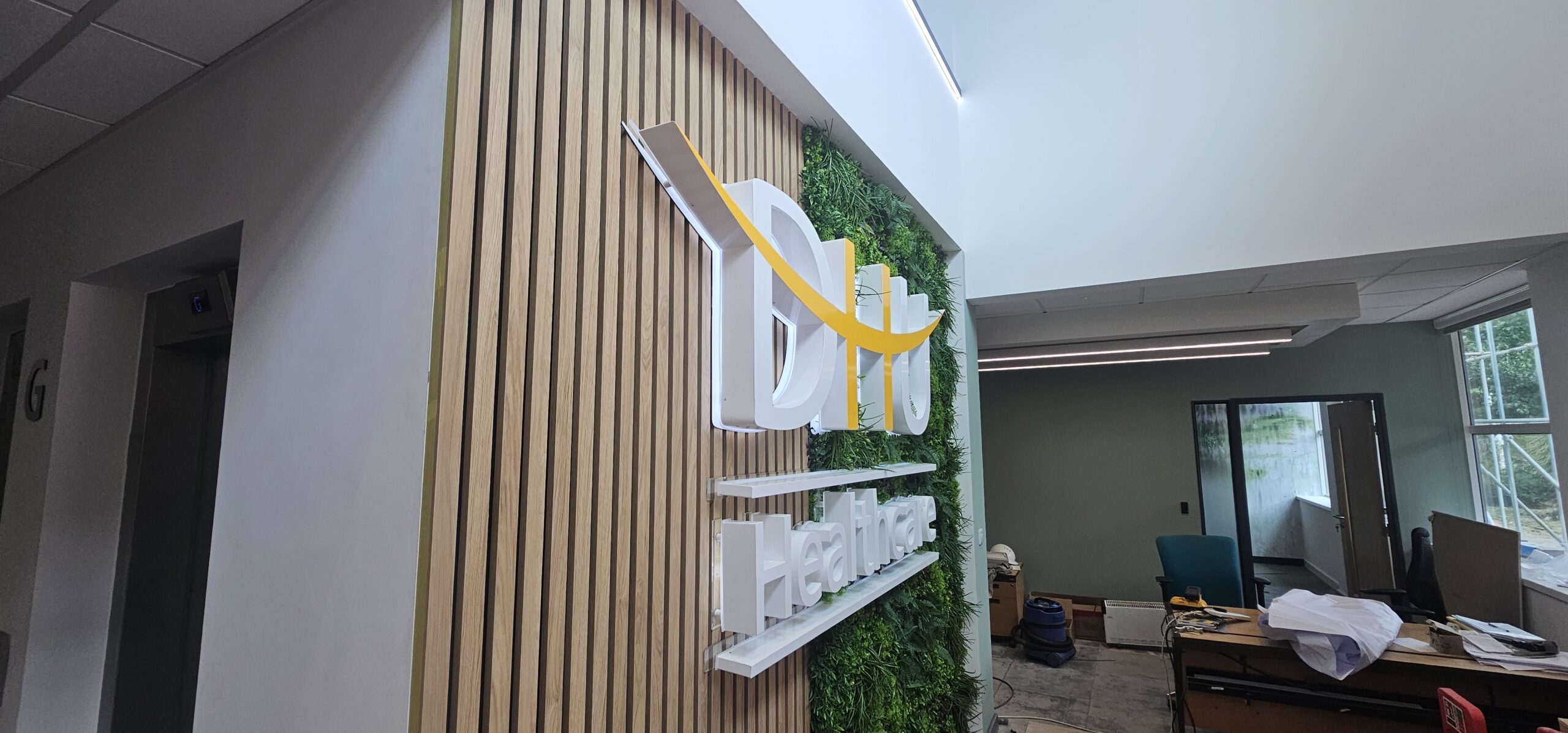
Create a cohesive sign family to maintain consistency. A sign family includes all necessary types, such as directional signs, informational boards, and branding elements. Each sign should have a standardised design to ensure uniformity across locations.
Design your sign family with flexibility in mind. While consistency is key, adaptability allows you to tailor signs to different locations without losing the essence of your brand. This approach simplifies production and installation, reducing the risk of errors and inconsistencies.
Managing Colour Standards
Colour consistency is crucial for brand recognition. To manage this, use precise colour matching techniques like Pantone or RAL matching. This ensures every sign uses the exact shade, maintaining visual uniformity.
Implement tools like spectrophotometer calibration and RIP colour profiles to achieve accurate colours. These technologies help maintain consistency during production. Without strict colour management, you risk variations that can undermine your brand’s visual impact.
The Role of In-House Production

In-house production plays a vital role in controlling quality and timelines. Here’s how it benefits your signage rollout.
Benefits of CNC Routing
CNC routing technology enhances production precision. It ensures that each sign is cut accurately, maintaining consistency across multiple units. This precision minimises the risk of errors and ensures each piece fits perfectly in its designated space.
In-house CNC routing also speeds up production. By eliminating the need to outsource, you retain control over timelines, reducing potential delays. This efficiency is crucial in meeting tight schedules for multi-site rollouts.
UK-Wide Installation Crews
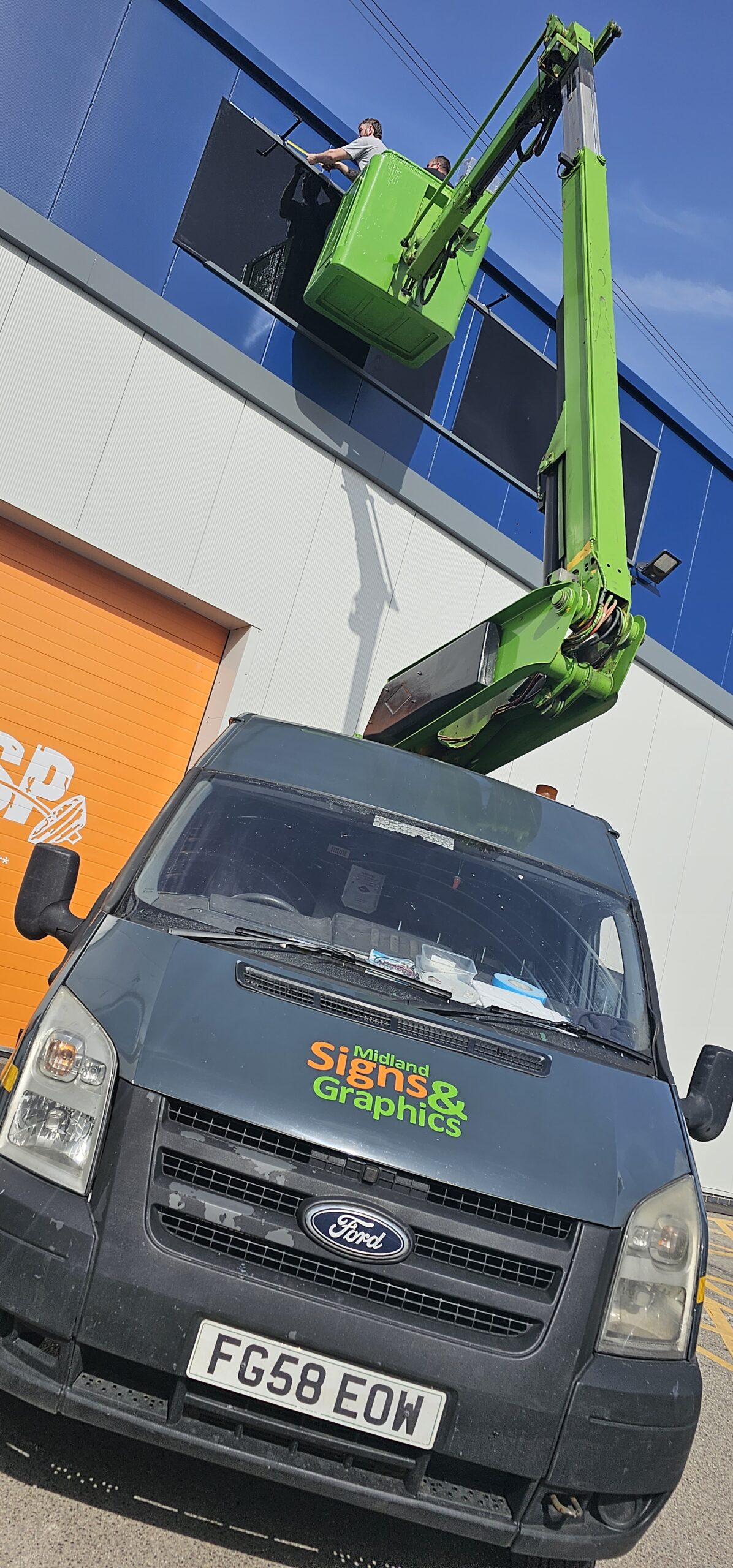
Having dedicated installation crews across the UK is a significant advantage. These teams ensure timely and consistent installations, regardless of location. Their expertise in handling different site conditions guarantees each sign is installed perfectly.
UK-wide crews eliminate the need for subcontractors, reducing coordination issues. By relying on trained teams, you maintain quality control and ensure each installation aligns with your brand standards. This approach not only saves time but also enhances the reliability of your rollout process.
Frequently Asked Questions
What are brand guidelines, and why are they important?
Brand guidelines are detailed instructions that ensure uniformity in branding elements like fonts, colours, and logo placement. They are crucial for maintaining consistency across multiple locations, helping your brand stay recognisable and professional.
How do measured site surveys contribute to successful signage rollouts?
Measured site surveys assess each location’s unique characteristics, informing the design and installation of signs. They help identify challenges and tailor solutions, ensuring that signage is effective and consistent across all sites.
What role does CNC routing play in signage production?
CNC routing offers precision and speed in sign production. By cutting materials accurately, it ensures consistency across multiple signs and reduces the likelihood of errors or misfits during installation.