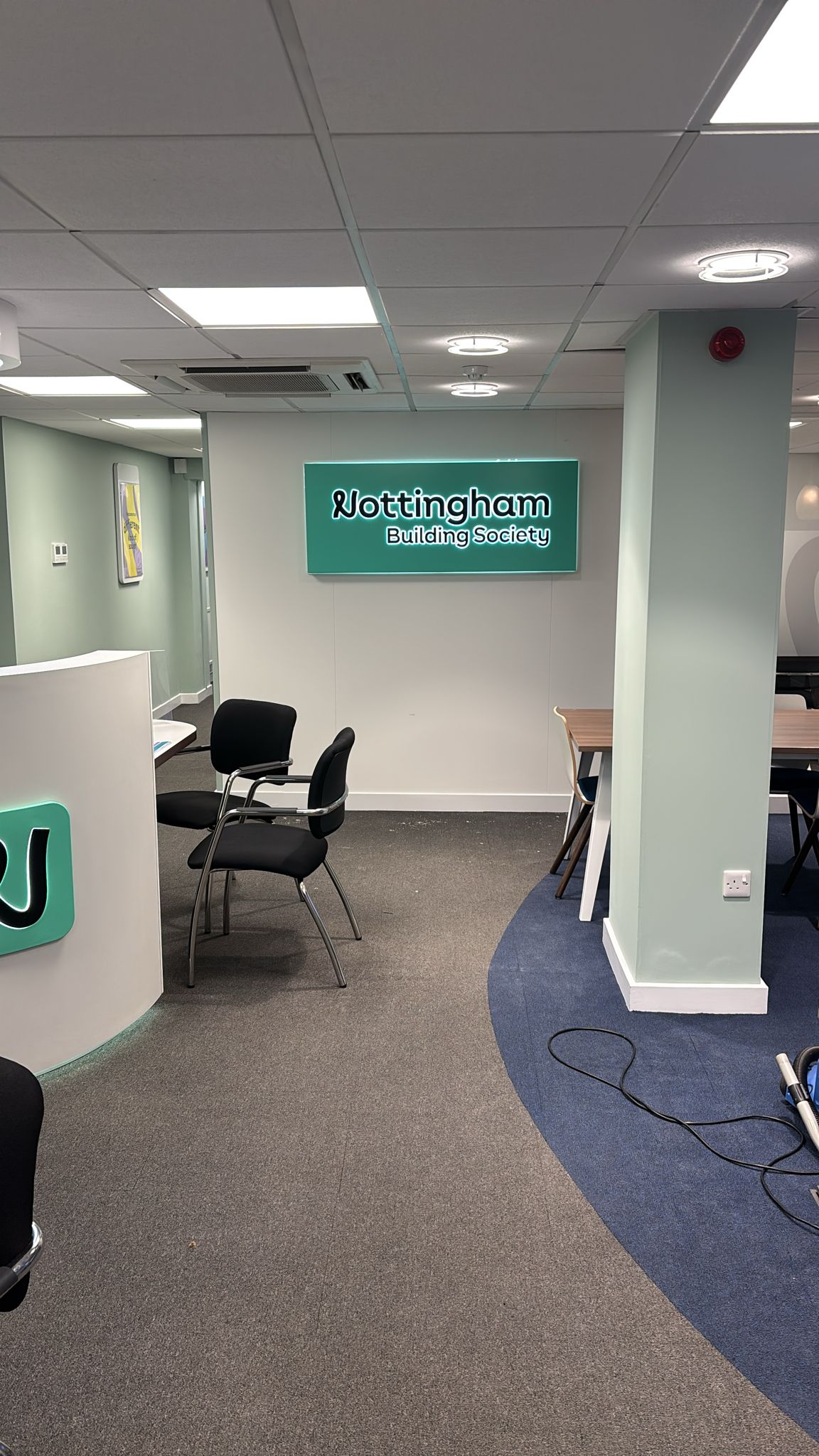
Most shop refits lose trading hours because planning overlooks key details. You need a phased approach that fits around your busiest times and keeps your doors open. This guide breaks down shop refit planning, showing how scoping, out-of-hours installation, and in-house signage production combine to minimise downtime and keep your operation running smoothly. For more insights, visit this article.
Planning a Shop Refit
Effective shop refit planning is essential to avoid unnecessary downtime. By focusing on key elements like scoping, phasing, and installation timing, you can keep your doors open and your business thriving.
Scoping and Site Surveys
The first step in any successful refit is a detailed site survey. This identifies challenges and measures the space accurately. Many businesses skip this, assuming they know their store well. But a thorough survey reveals hidden issues and opportunities for improvement. It sets the foundation for a smooth project by identifying critical details, ensuring no surprises later.
Scoping involves setting clear goals and timelines. You must know what you want to achieve: better layout, new branding, or updated signage. With precise objectives, you can streamline the process, allocate resources effectively, and minimise disruptions.
Phased Works Approach
To minimise downtime, consider a phased approach. Instead of closing the entire store, tackle one section at a time. This ensures parts of your store remain operational, maintaining customer flow. Phased works allow for adjustments based on real-time feedback, making the process adaptable and less stressful.
For instance, you might start with non-essential areas like storage or back rooms, moving to customer-facing sections later. Each phase should be planned to reduce impact on trading. This method also helps manage costs and resources, spreading them over time rather than in one large outlay.
Out-of-Hours Installations
Out-of-hours installations are key to keeping your business running during a refit. By scheduling work when your store is closed, you avoid disrupting trading hours. This approach requires coordination and clear communication with your team and contractors.
Consider how night shifts or early mornings might best suit your schedule. Ensure your team is prepared for any adjustments needed to accommodate the out-of-hours work. This strategy is particularly effective for noise-heavy tasks or installations needing space without customer interference.
Maintaining Business Operations
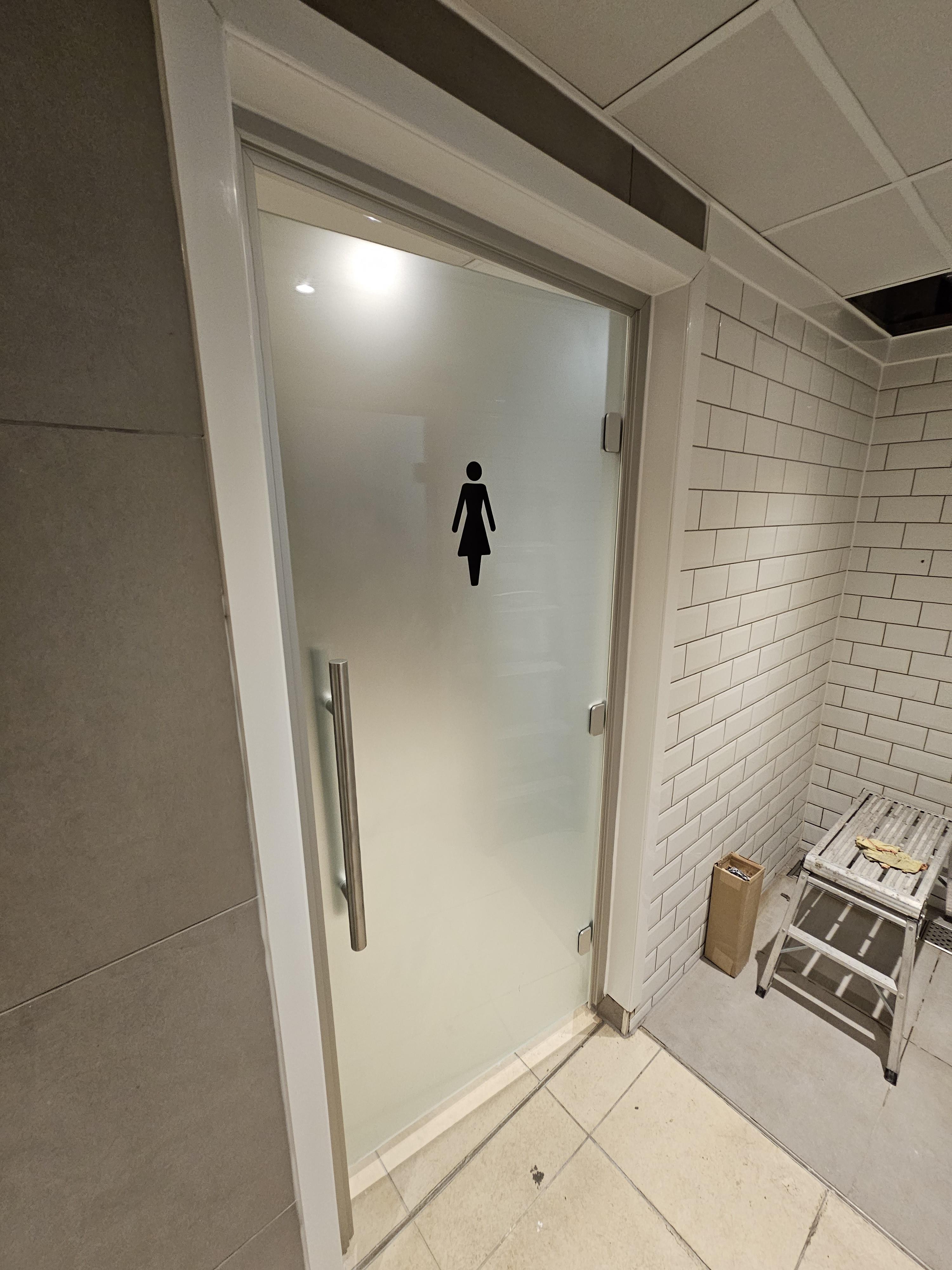
With your shop refit underway, maintaining business operations becomes critical. Temporary setups, compliance, and communication strategies will ensure your store stays open and safe.
Temporary Trading Setups
During refits, temporary trading setups can keep your business running smoothly. Shifting merchandise or creating pop-up areas helps maintain customer engagement. Choose high-traffic parts of your store for these setups to maximise visibility and sales.
Keep signage clear to guide customers through your reconfigured space. Use barriers or partitions to section off construction areas, ensuring safety and clarity. By thinking creatively, you can continue serving customers without a hitch.
Health and Safety Compliance
Safety is paramount during a refit. You must adhere to health and safety regulations to protect staff and customers. Conduct risk assessments regularly to identify potential hazards. Make sure all signage is clear and compliant, directing people safely around your site.
Keep emergency exits unblocked and accessible at all times. Training staff on safety protocols is crucial; they need to know how to respond to any incidents swiftly. By prioritising safety, you maintain trust and minimise any potential legal issues.
Communication Strategies
Clear communication is vital throughout the refit process. Keep your team informed about timelines and changes. This ensures everyone is on the same page and reduces confusion. Regular updates to staff and customers help manage expectations and maintain goodwill.
Use multiple channels—emails, meetings, and signage—to relay information. Encourage feedback from staff and customers to make necessary adjustments. Effective communication not only mitigates disruption but also strengthens relationships with your team and clientele.
Enhancing Brand Presence

Refits not only update your space but also enhance your brand presence. Focus on signage production, branding consistency, and visual refreshes for maximum impact.
In-House Signage Production
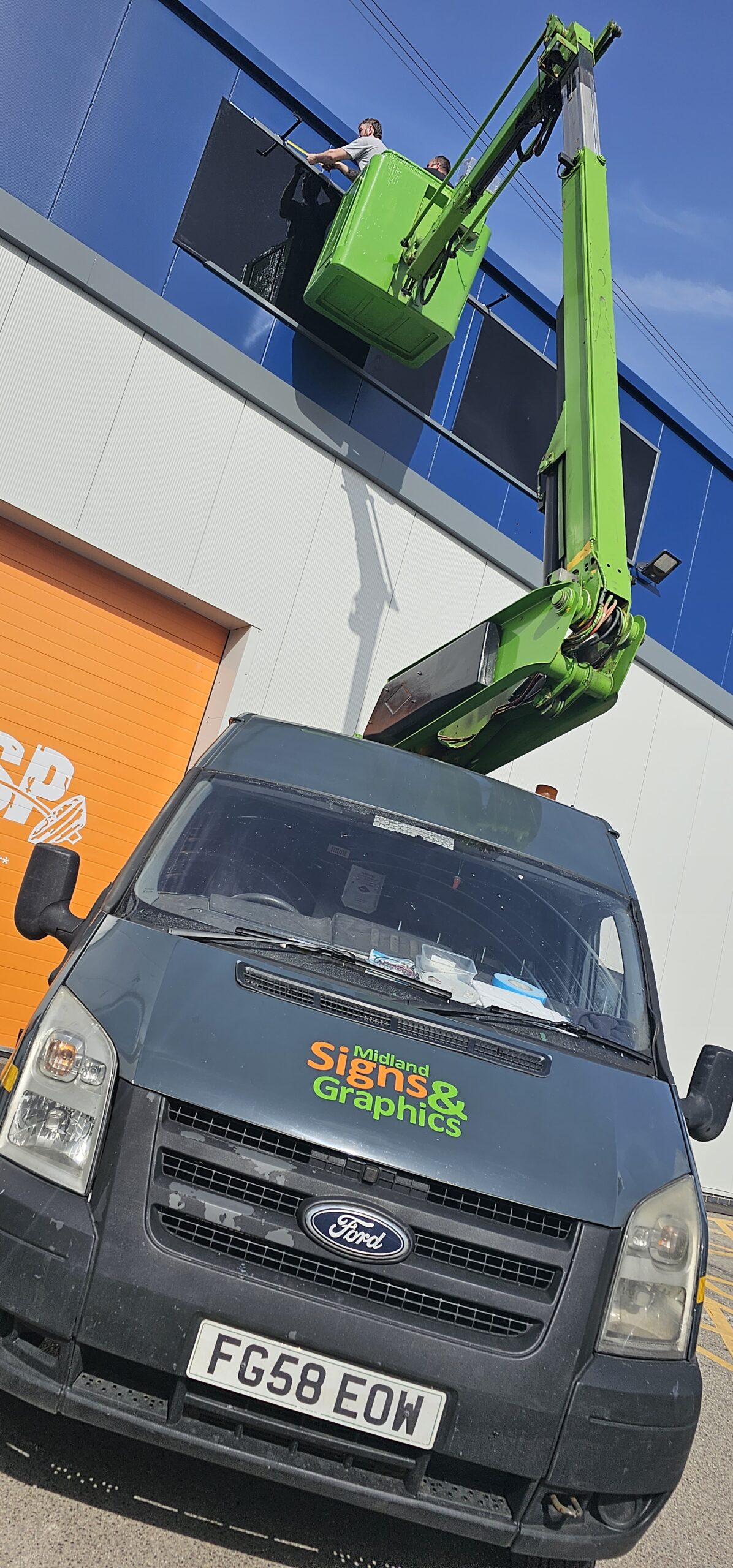
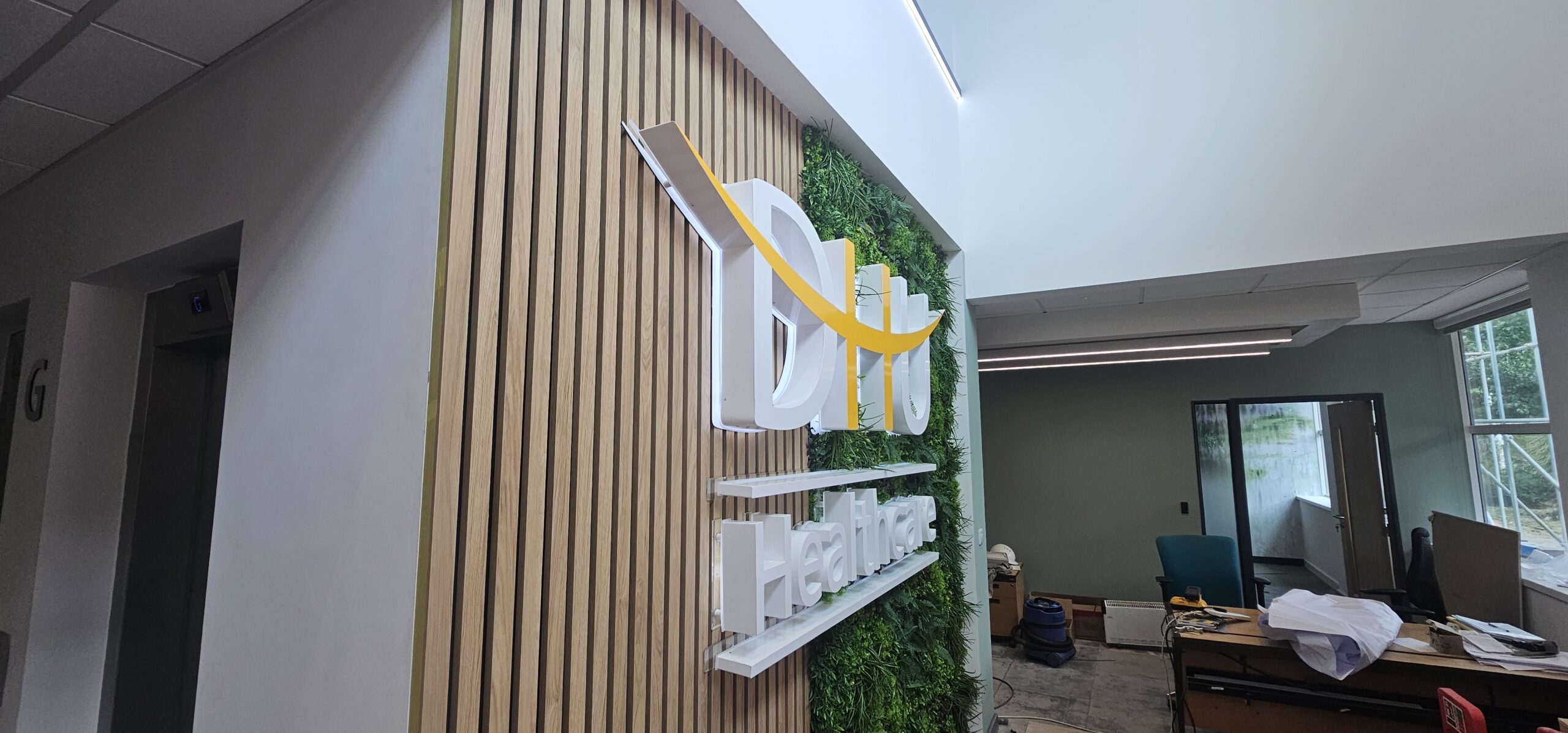
In-house signage production offers significant advantages. It ensures quality control and faster turnaround times. You can make changes swiftly, adapting to any new branding or design elements. This flexibility is crucial in maintaining a fresh, cohesive look across your store.
By producing signage internally, you reduce reliance on external suppliers, streamlining processes and cutting costs. This approach also allows for customisation, ensuring your brand’s unique identity shines through.
Consistent Multi-Site Branding
For businesses with multiple locations, consistent branding is essential. Uniform signage and design elements reinforce your brand identity, building customer recognition and trust. Multi-site branding requires coordinated efforts across all locations to ensure uniformity.
Work with a team experienced in handling multi-site projects. They will provide a cohesive strategy that accounts for local variations while maintaining overall brand integrity. Consistent branding strengthens your market position and enhances customer loyalty.
Exterior and Interior Refreshes
An exterior and interior refresh can drastically improve first impressions. Fresh paint, updated signage, and modern fixtures create an inviting atmosphere. This investment pays off by attracting more customers and increasing foot traffic.
Regular refreshes keep your store looking new and vibrant. Consider seasonal updates or changes tied to promotions or events. By keeping your store visually appealing, you show customers that your business is active and thriving.
Frequently Asked Questions
How can I minimise downtime during a shop refit?
Plan a phased approach to tackle sections of your store gradually. Use out-of-hours installations to avoid disrupting trading hours, and employ temporary setups to maintain operations.
What are the benefits of in-house signage production?
In-house production ensures quality control and faster turnaround times. It allows for quicker adjustments and customisation, maintaining a cohesive brand image.
How do I ensure safety during a refit?
Conduct regular risk assessments and ensure all signage is clear and compliant. Train staff on safety protocols and keep emergency exits accessible at all times.
Why is consistent multi-site branding important?
Uniform branding across multiple locations builds customer recognition and trust. It strengthens your market position and enhances loyalty by maintaining a cohesive brand identity.
What should I consider in a temporary trading setup?
Choose high-traffic areas for temporary setups and keep signage clear. Use barriers to section off construction areas, ensuring customer safety and a smooth shopping experience.