Planning a shop refit often means juggling tight schedules and avoiding costly downtime. You need a clear plan that keeps your store trading while work progresses in phases, using out-of-hours installation and compliant RAMS. This guide walks you through shop refit planning with practical steps to minimise downtime, showing how in-house signage production and UK-wide teams deliver faster, consistent results. For more insights, check out this comprehensive guide to shop refits in the UK.
Strategic Shop Refit Planning
Minimising Downtime Strategies
When planning a shop refit, the goal is to keep your doors open and your business running smoothly. One effective strategy is to break the project into phases. This approach ensures that sections of your store can remain operational while work is underway in other areas. By doing so, you can maintain sales and customer engagement throughout the process.
Another key factor is scheduling work during non-peak hours. Consider starting refurbishment activities early in the morning or late at night when the store is closed. This reduces disruption to your daily operations. Additionally, clear communication with your team and customers about what to expect can help manage expectations and keep things on track.
Leveraging Out-of-Hours Installation
Out-of-hours installation is a game-changer for minimising downtime during shop refits. By working outside regular trading hours, you can ensure that the customer experience remains unaffected. This approach allows your business to operate as usual during the day while improvements are made at night.
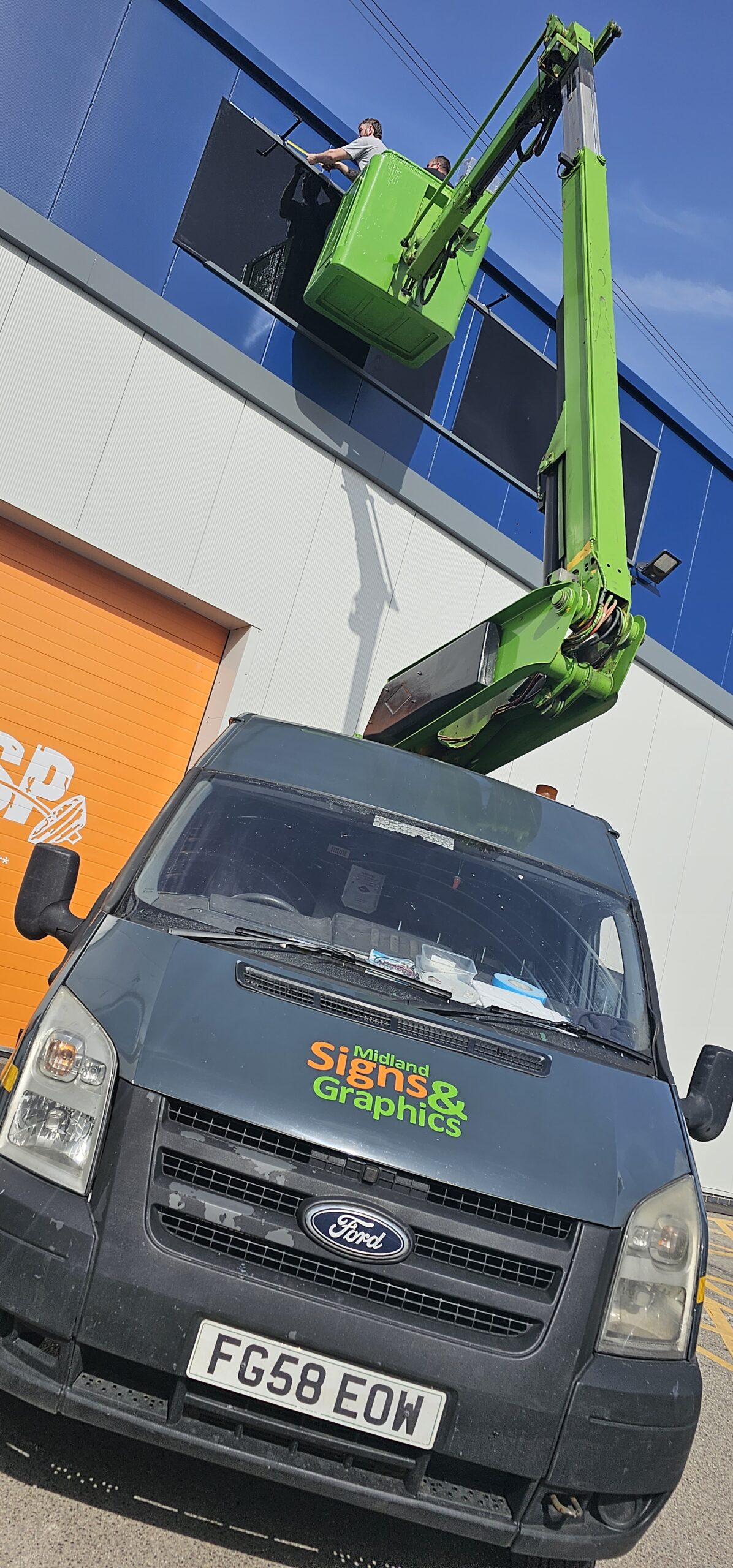
Engaging a reliable team that can work efficiently after hours is crucial. Their expertise in handling tasks without disrupting your business ensures a smooth transition from old to new. With Midlands Signs, you can trust that out-of-hours installations are managed by professionals who prioritise your business needs.
RAMS Compliance Importance
RAMS (Risk Assessment and Method Statements) compliance is vital in any shop refit project. It not only ensures safety but also streamlines project execution. By adhering to RAMS, you can mitigate potential risks and avoid costly delays.
Compliance demonstrates your commitment to safety standards, both for your customers and your team. This builds trust and confidence in your brand, as well as ensuring that the project proceeds without unnecessary interruptions. With careful planning and adherence to RAMS, you can achieve a successful refit while safeguarding everyone involved.
Effective Phased Refurbishment
Temporary Signage Solutions
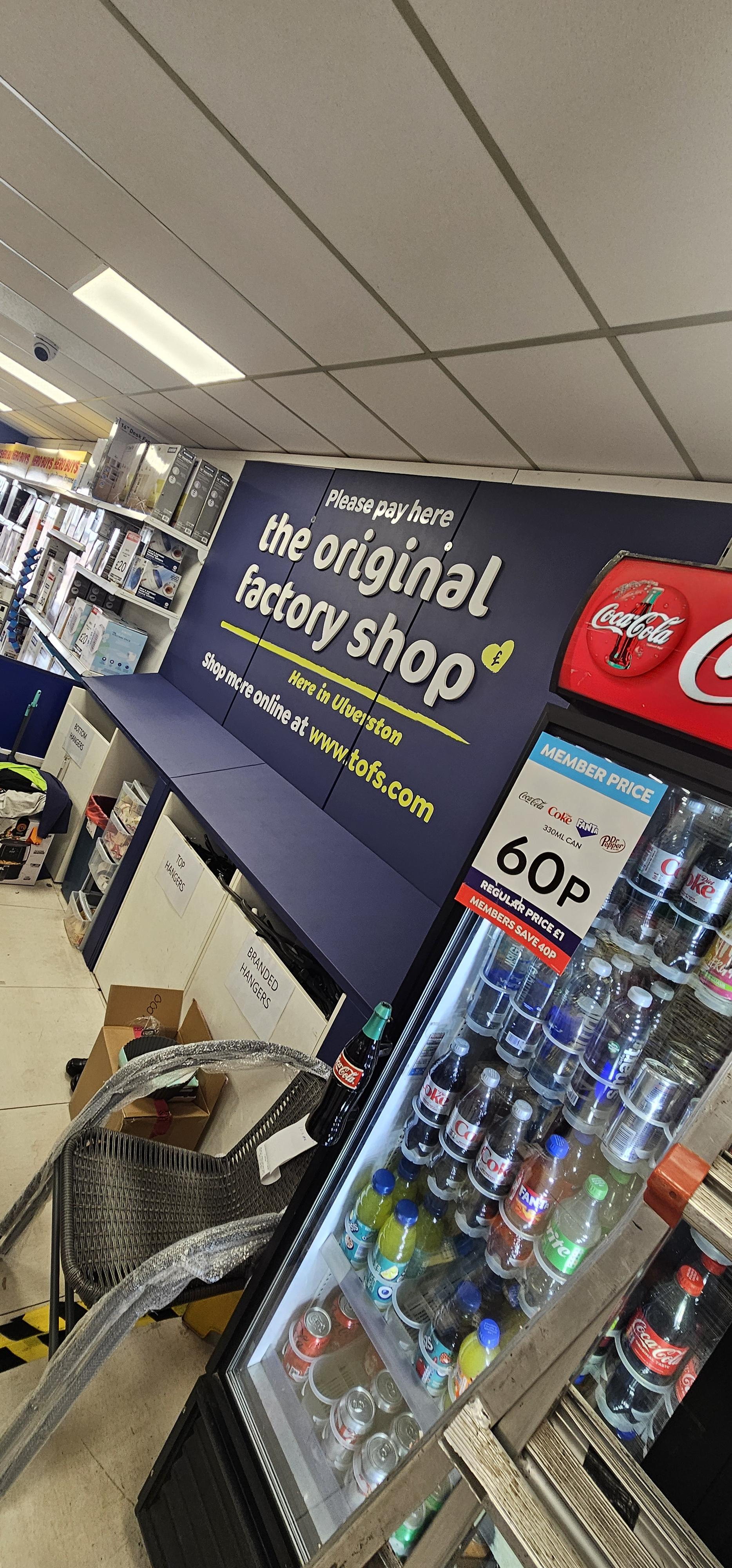
During a shop refit, temporary signage can be an invaluable tool. It guides customers and informs them about ongoing changes, helping maintain their trust. Properly placed signs can direct foot traffic, highlight open sections, and keep customers informed about the progress of the refit.
Temporary signs need to be clear and visible. They should be strategically placed to avoid confusion and ensure smooth navigation around your store. By using high-quality materials, you can also ensure that the signs withstand the refit duration without wear and tear, keeping your store professional and welcoming.
In-House Signage Production Benefits
In-house signage production offers several advantages during a shop refit. It allows for greater control over quality and timelines, ensuring consistency across all signs. This control is crucial for maintaining brand identity and meeting project deadlines.
With in-house production, adjustments and customisations can be made quickly, reducing lead times. This flexibility ensures that your signage aligns perfectly with the refit schedule, preventing any hold-ups. Midland Signs’ in-house capabilities mean you receive signs that meet your exact specifications, delivered on time.
UK-Wide Signage Rollouts
Executing a UK-wide signage rollout during a refit requires precision and coordination. By working with a team experienced in national projects, you ensure consistency in quality and timing. This approach minimises the risk of delays and keeps your brand uniform across all locations.
A well-coordinated rollout ensures that signage is installed simultaneously across multiple sites, allowing for a seamless transition. This uniformity enhances brand recognition and customer confidence. With Midland Signs, you can trust in their ability to manage UK-wide projects efficiently, keeping your brand strong and visible.
Advanced Signage and Branding
CNC Precision and LED Illuminated Signs
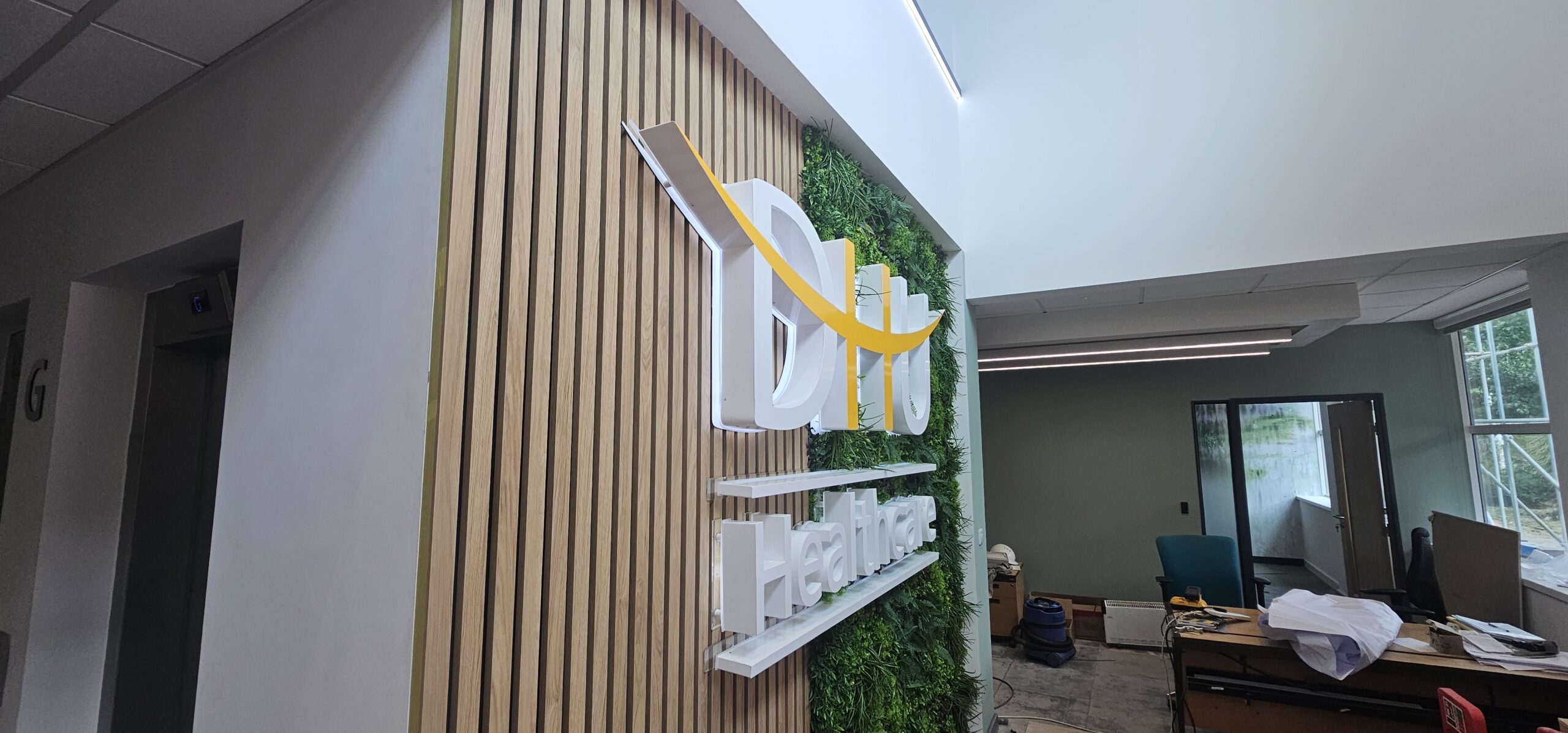
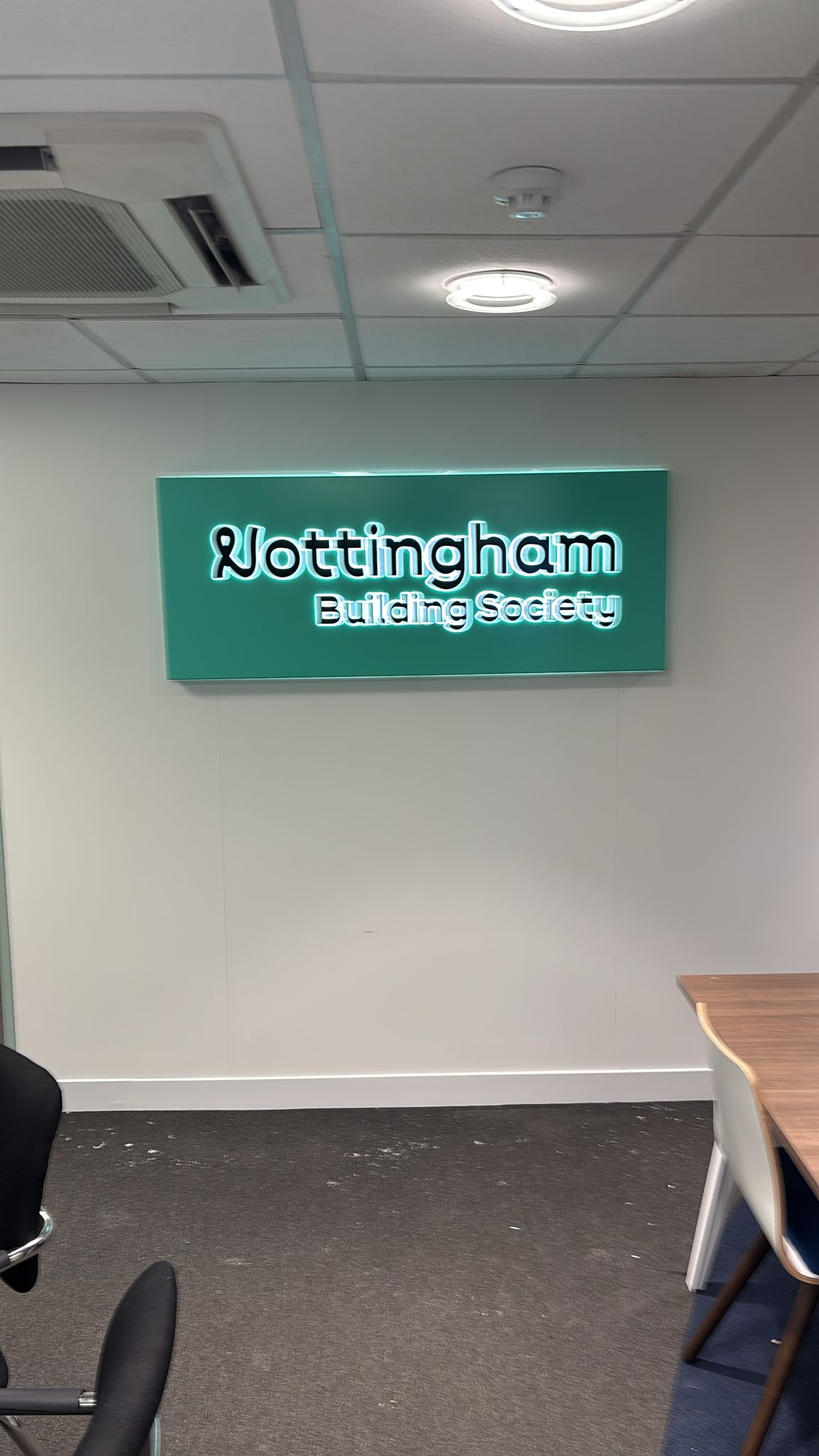
CNC precision technology plays a crucial role in producing high-quality signs. It ensures that every detail is accurately crafted, resulting in a professional finish. When combined with LED illumination, your signage becomes more visible and attractive, especially in low-light conditions.
LED illuminated signs not only enhance visibility but also convey a modern and innovative brand image. They are energy-efficient and long-lasting, providing a sustainable signage solution. By incorporating CNC precision and LED technology, you elevate your brand’s presence, making a lasting impression on your customers.
Internal Branding and Wayfinding Techniques
Internal branding is essential for creating a cohesive customer experience. Consistent branding within your store reinforces your brand identity and helps customers navigate the space. Effective wayfinding techniques ensure that customers can easily find what they need, enhancing their shopping experience.
Consider using clear, consistent signage that reflects your brand’s colour scheme and style. This consistency helps build brand recognition and loyalty. By focusing on internal branding and wayfinding, you create an environment that is welcoming and easy to navigate, encouraging repeat visits and positive customer experiences.
Quality Control in Signage Manufacturing
Quality control is paramount in signage manufacturing. It ensures that every sign meets the highest standards, reflecting your brand’s commitment to excellence. By maintaining strict quality control measures, you guarantee that your signage is not only visually appealing but also durable and reliable.
Regular inspections and testing during the manufacturing process help identify and rectify any issues early on. This attention to detail prevents costly mistakes and ensures timely delivery. With Midland Signs, you can trust that quality is never compromised, ensuring your signage enhances your brand’s image and longevity.
Frequently Asked Questions
What is the importance of phased refurbishment?
Phased refurbishment allows different areas of your store to remain open while others are being worked on. This strategy minimises downtime and maintains customer engagement, ensuring that your business continues to operate smoothly during renovations.
How does out-of-hours installation benefit my shop refit?
Out-of-hours installation minimises disruption to your daily operations by carrying out work during non-peak hours. This approach ensures that your business can run as usual, providing a seamless customer experience while improvements are made.
Why is RAMS compliance crucial for shop refits?
RAMS compliance is essential for ensuring safety and streamlining project execution. It mitigates potential risks and avoids costly delays, demonstrating your commitment to safety standards and building trust with customers and staff.
How does in-house signage production improve project outcomes?
In-house signage production allows for greater control over quality and timelines. It ensures consistency, quick adjustments, and customisations, aligning perfectly with the refit schedule and preventing hold-ups.
What are the benefits of using LED illuminated signs?
LED illuminated signs enhance visibility, especially in low-light conditions, and convey a modern brand image. They are energy-efficient and long-lasting, providing a sustainable and attractive signage solution.