Signage changes often bring unwanted downtime that hits trading hard. You need a plan that schedules site surveys, approvals, off-site fabrication, and out-of-hours installation without disrupting business. This guide shows how to sequence every step with precision, using in-house sign production and UK-wide installation teams to keep your rollout smooth and consistent. For more insights on reducing operational downtime, you can visit this resource.
Strategic Signage Planning
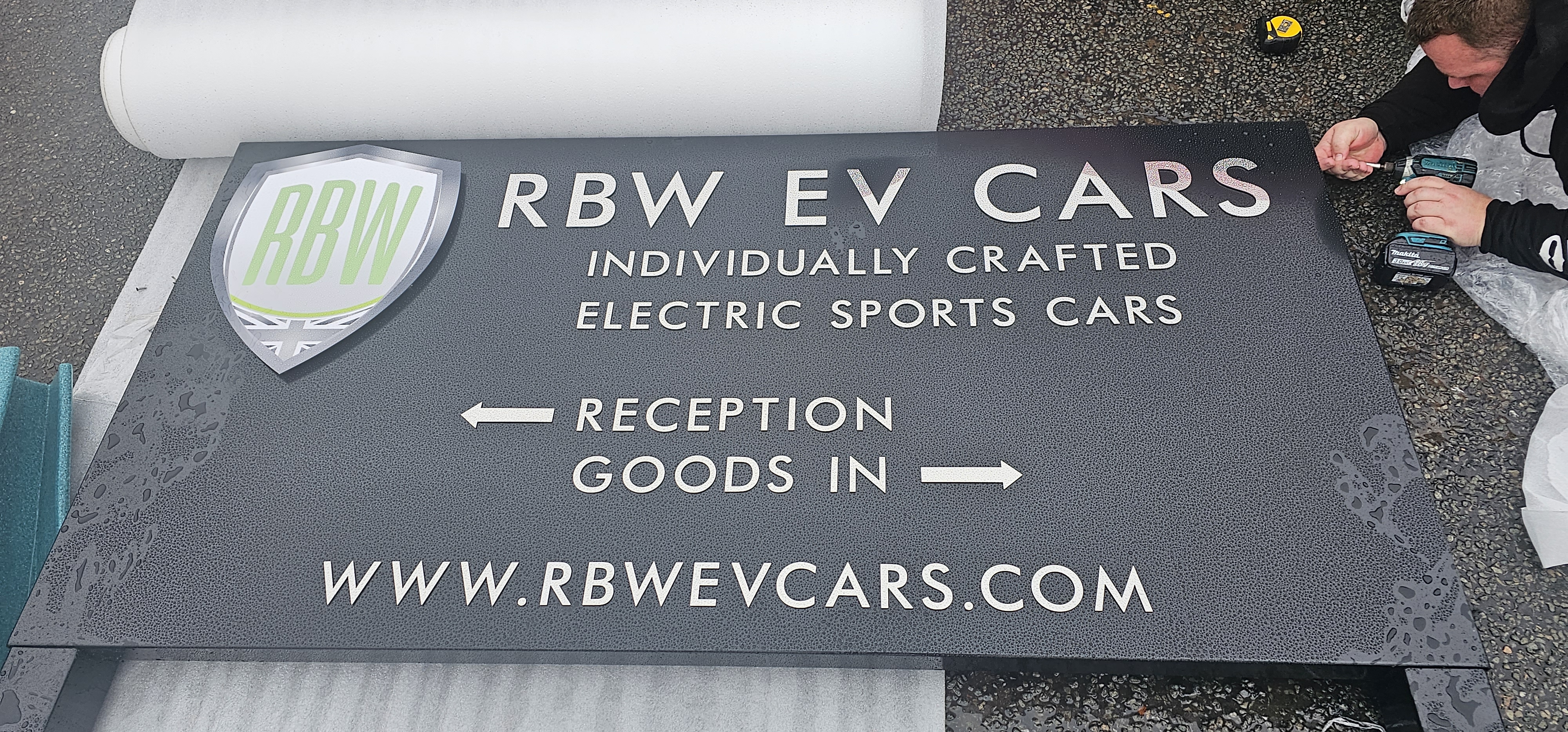
Planning ahead can transform the way your business handles signage updates. With careful sequencing, you can keep your operations running smoothly.
Streamline Surveys and Approvals
Getting your surveys and approvals in order is crucial. First, schedule site surveys well in advance. This helps identify potential issues early. It’s important to involve all key stakeholders in the approval process. This ensures that everyone is on the same page, reducing delays later on. Additionally, consider digital approvals to speed things up. A well-organized process can save time and prevent unnecessary setbacks. For more ideas on reducing downtime, check this blog.
Out-of-Hours Installation Benefits
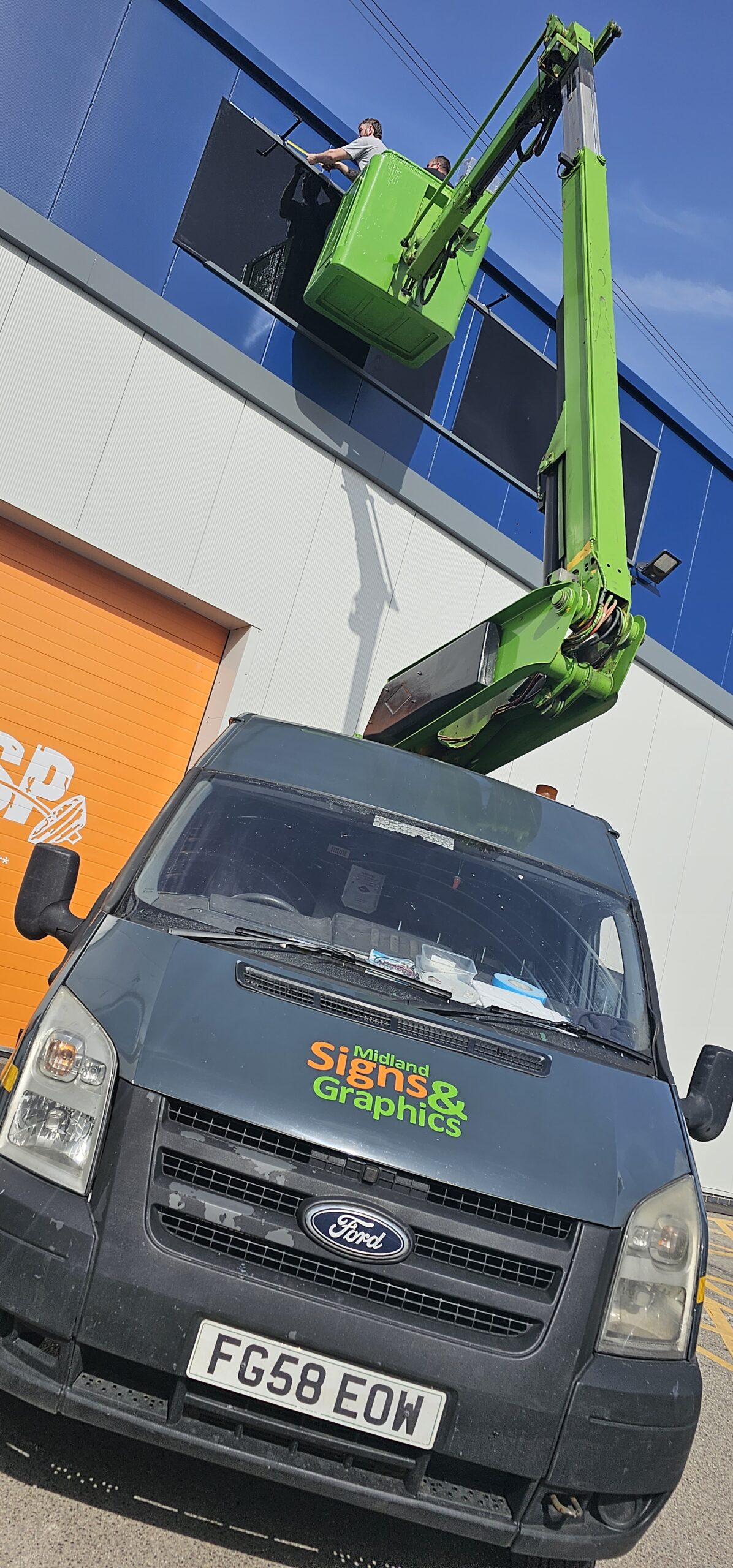
Installing during non-business hours is a game-changer. It minimizes disruption to your daily operations. Workers have the freedom to move without interrupting your customers. This approach keeps your business active and avoids the usual hustle. Moreover, it allows for faster completion times since teams can work without interruptions. Don’t let your business stall; instead, plan installations smartly.
Effective Use of Temporary Signage
Temporary signage keeps your message visible while permanent updates occur. It ensures that your customers are not confused or misled. Use clear, weatherproof materials for the best results. This approach maintains brand visibility and guides customers effectively during transitions. With temporary signage, you can maintain a professional look throughout the process.
Seamless In-House Production
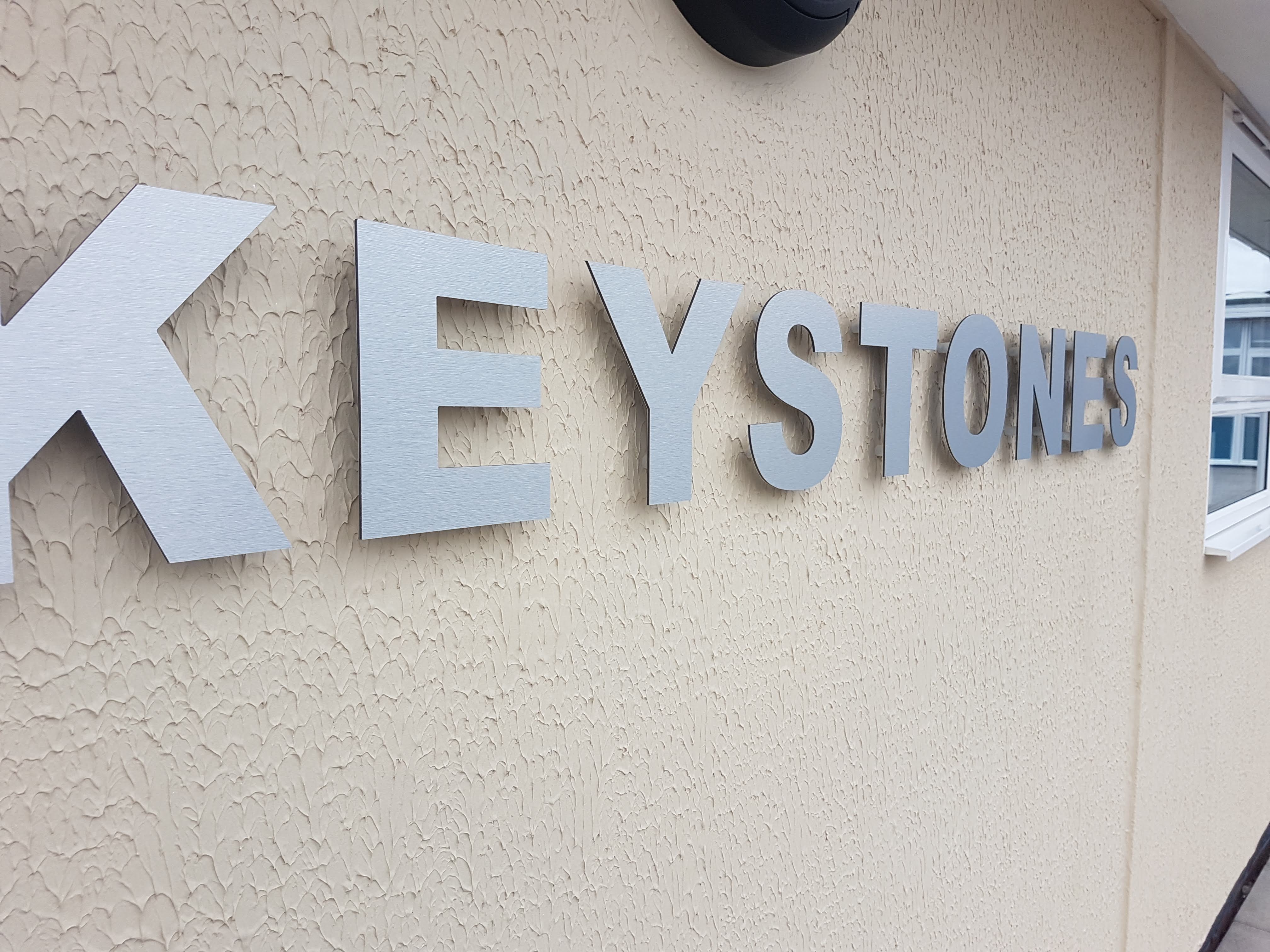
With in-house production, you gain better control over quality and timelines. It simplifies processes, ensuring your brand look remains consistent.
Advantages of CNC Signage
CNC technology offers precision like no other. It cuts materials with exactness, ensuring high-quality finishes every time. By using CNC machines, you reduce errors, which means fewer delays. This technology speeds up production, enabling faster rollouts. Moreover, CNC’s capability to handle complex designs opens new creative possibilities for your signage.
Crafting Colour-Matched Fascias
Having all elements of your signage match in colour is crucial for brand consistency. In-house facilities allow for custom colour mixing to match your brand perfectly. This ensures that every piece of signage looks unified and professional. Consistent colours across all signage elements strengthen brand recognition and customer trust.
Ensuring Signage QA and Snagging
Quality assurance is a must for any signage project. Conduct thorough checks at every stage, from production to installation. Look out for imperfections and rectify them before they become bigger issues. A dedicated team for snagging ensures that any minor defects are addressed promptly, maintaining the high standards your brand deserves.
Efficient UK-Wide Rollouts
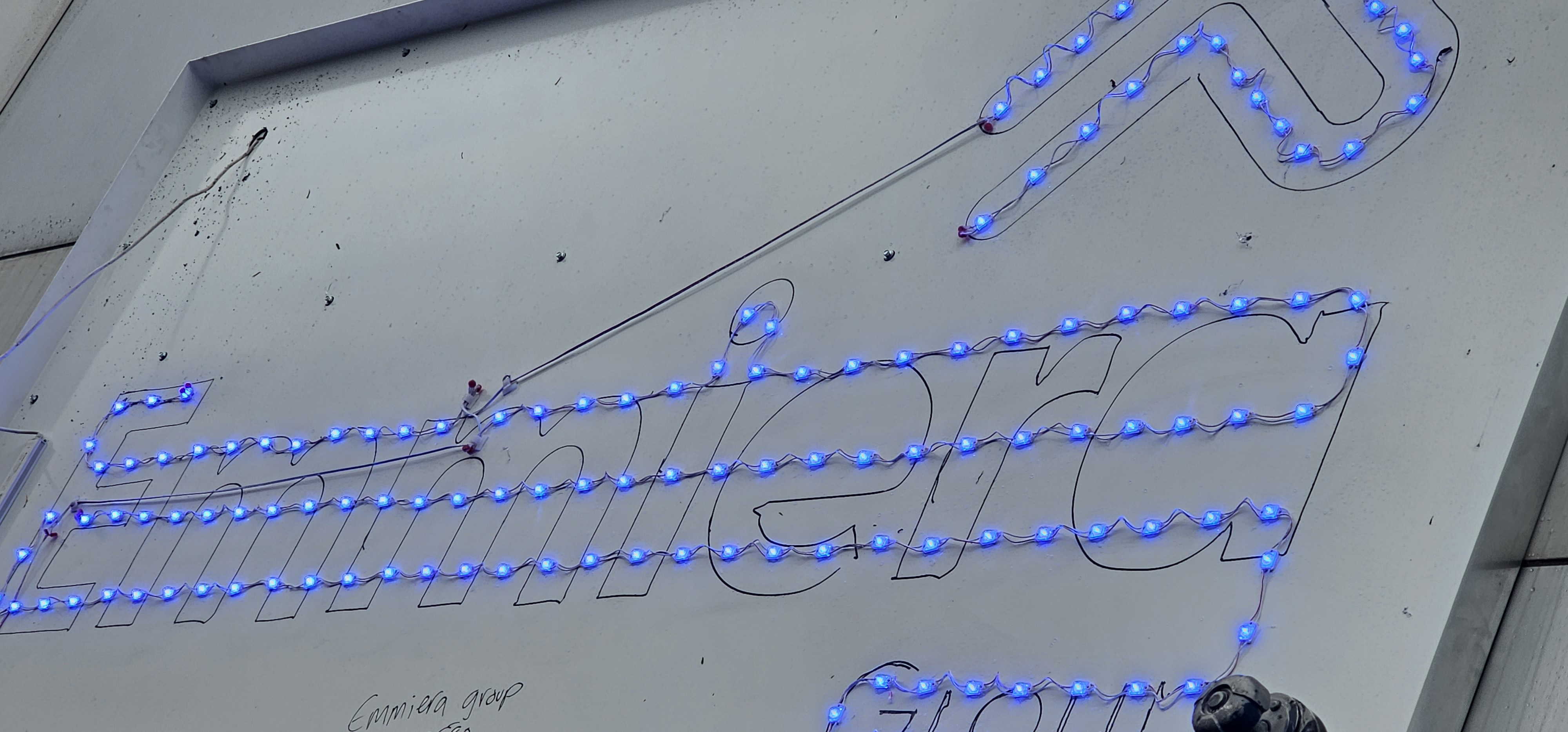
A well-coordinated rollout across multiple sites ensures consistency and brand coherence. Here’s how to achieve this effectively.
Programme Management and Consistency
Effective programme management keeps your project on track. Assign a dedicated manager to oversee every detail, ensuring timelines are met. Consistency across sites is key for brand recognition. By managing the rollout from a central point, you maintain uniformity in design and messaging. Learn more about effective management techniques here.
LED Illuminated Signs for Retail
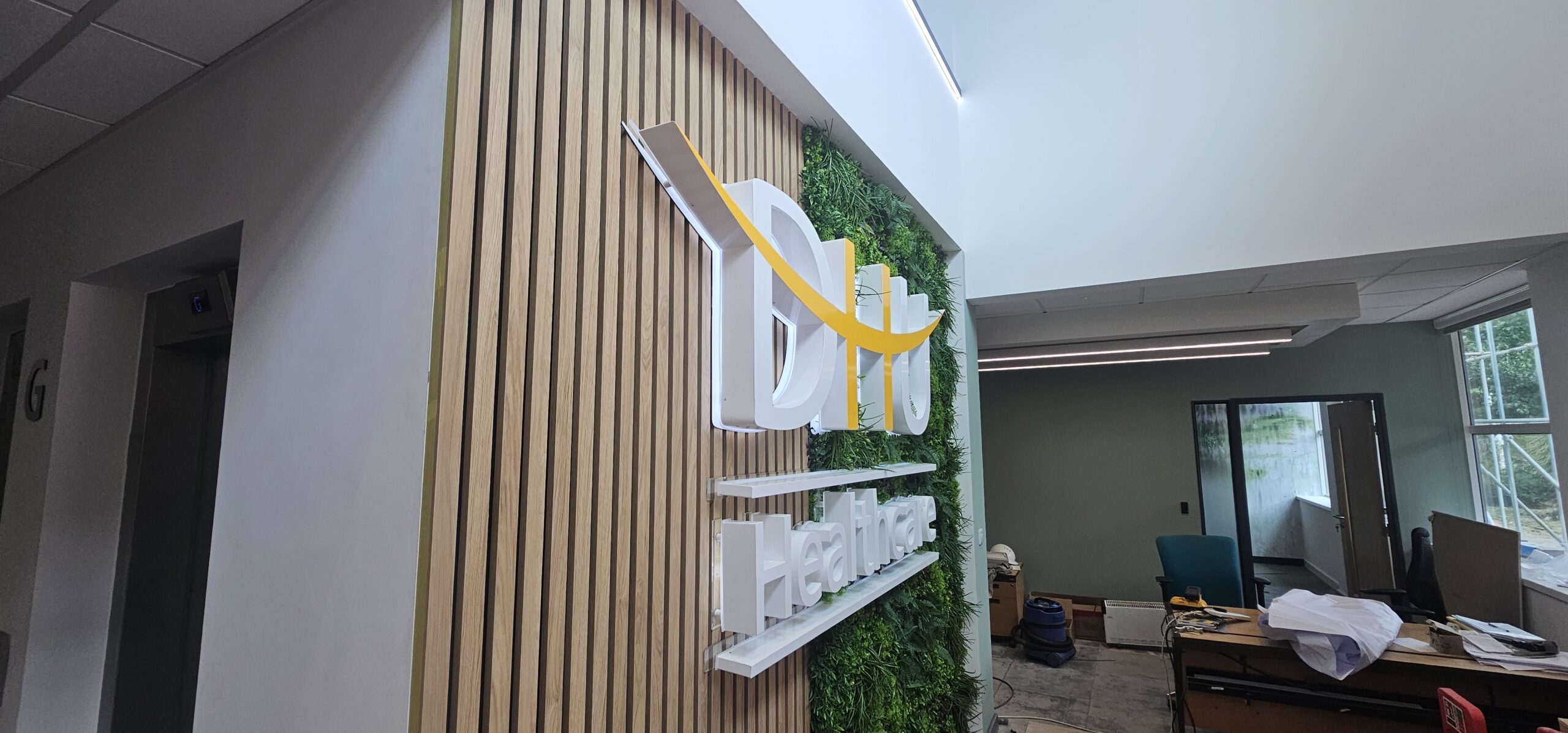
LED signs are not just eye-catching; they are energy-efficient too. They enhance visibility, ensuring your brand stands out day and night. The long lifespan of LEDs means less frequent replacements, saving time and costs. For retailers, LED signs can drive more foot traffic, as they are visible from afar, even in low light.
The Importance of a Site Survey
Never skip a site survey. It identifies potential challenges and helps in planning the logistics effectively. A thorough survey ensures that the right materials and tools are available on site, reducing delays. It also helps in discussing access and permits needed, ensuring everything runs smoothly when installation day arrives. Engage in site surveys early to prevent last-minute surprises.
In conclusion, with strategic planning and the right partners, you can manage signage changes with minimal disruption to your business. Embrace these insights to keep your brand strong and your operations efficient.