Cluttered corridors and confusing signs cost you time and patience every day. Your visitors and staff deserve a clear path that reflects your brand and guides with precision. This post outlines practical steps in internal branding and wayfinding to streamline movement through your business, using proven techniques and quality materials tailored for UK-wide rollout. Read on to see how Midland Signs delivers the full process, from site survey to installation, with expert care and minimal disruption. For further strategies, you can explore essential internal branding strategies.
Streamlining Movement with Internal Branding
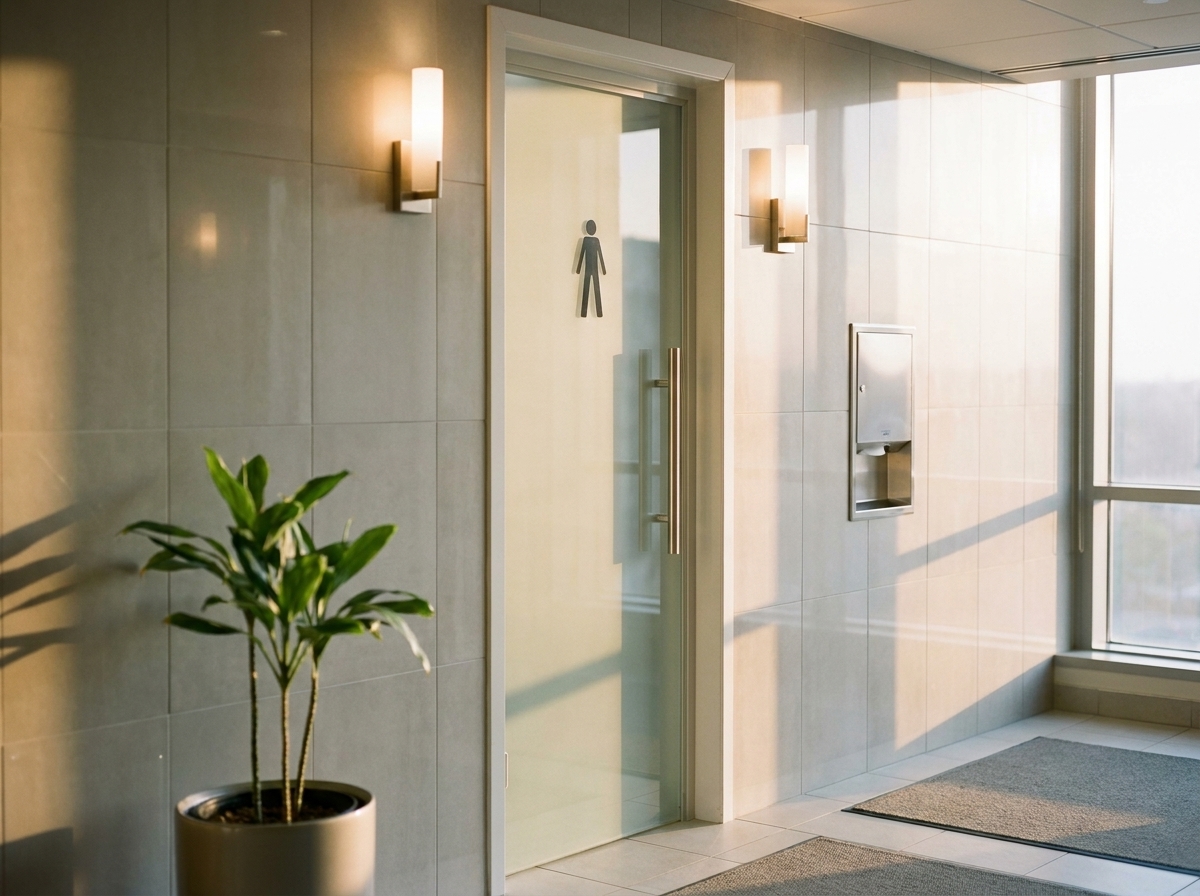
Creating a seamless flow within your business benefits both customers and staff. This section will explore why consistent branding and effective wayfinding are crucial to achieving this.
Importance of Consistent Branding
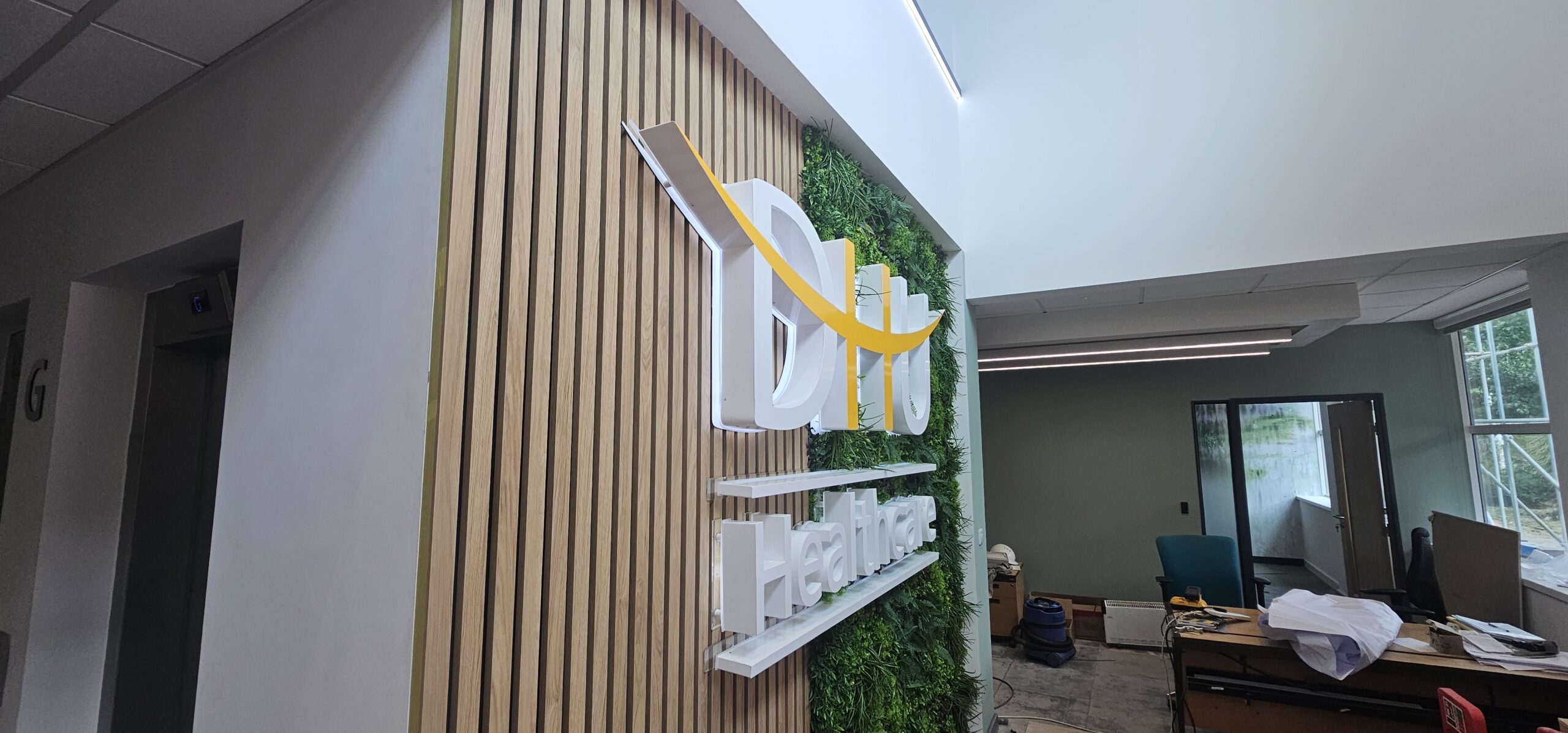
Your brand needs to be visible and cohesive at every turn within your premises. Consistent branding reinforces your message and creates a strong impression. When your logo, colours, and fonts are strategically placed, your identity becomes easily recognisable. It’s not just about aesthetics; it’s about making navigation intuitive. A well-branded environment doesn’t just look good; it feels familiar. When visitors encounter consistent visuals, their confidence in your brand grows. This involves more than just placing a logo everywhere. Every piece of signage should reflect your core identity. Learn how internal branding can elevate your company’s presence.
Message Hierarchy and Sign Location Plans
A clear message hierarchy ensures that the most critical information is communicated first. This means prioritising messages based on importance and urgency. Your signs should guide visitors efficiently, not create more confusion. For instance, directional signs should be at eye level, making them easy to spot. Meanwhile, regulatory signs can be placed at entrances where people naturally pause. Creating a sign location plan helps in placing signs strategically. This plan takes into account foot traffic patterns and focal points within your space. It ensures that signs are not just present, but also optimally positioned for maximum visibility. Properly planned signs act like visual cues, guiding people intuitively from one point to another.
Role of Wayfinding Signage
Wayfinding signage is your silent guide. It empowers visitors to navigate independently, saving time and reducing frustration. This type of signage includes directional signs, maps, and symbols that simplify navigation. In a complex environment, wayfinding signs act as anchors, providing clear paths and reducing the feeling of being lost. It’s important to remember that good wayfinding design considers the psychology of the user. It anticipates needs and responds with the right information at the right time. Explore top strategies for successful internal branding efforts.
Designing Effective Wayfinding Solutions
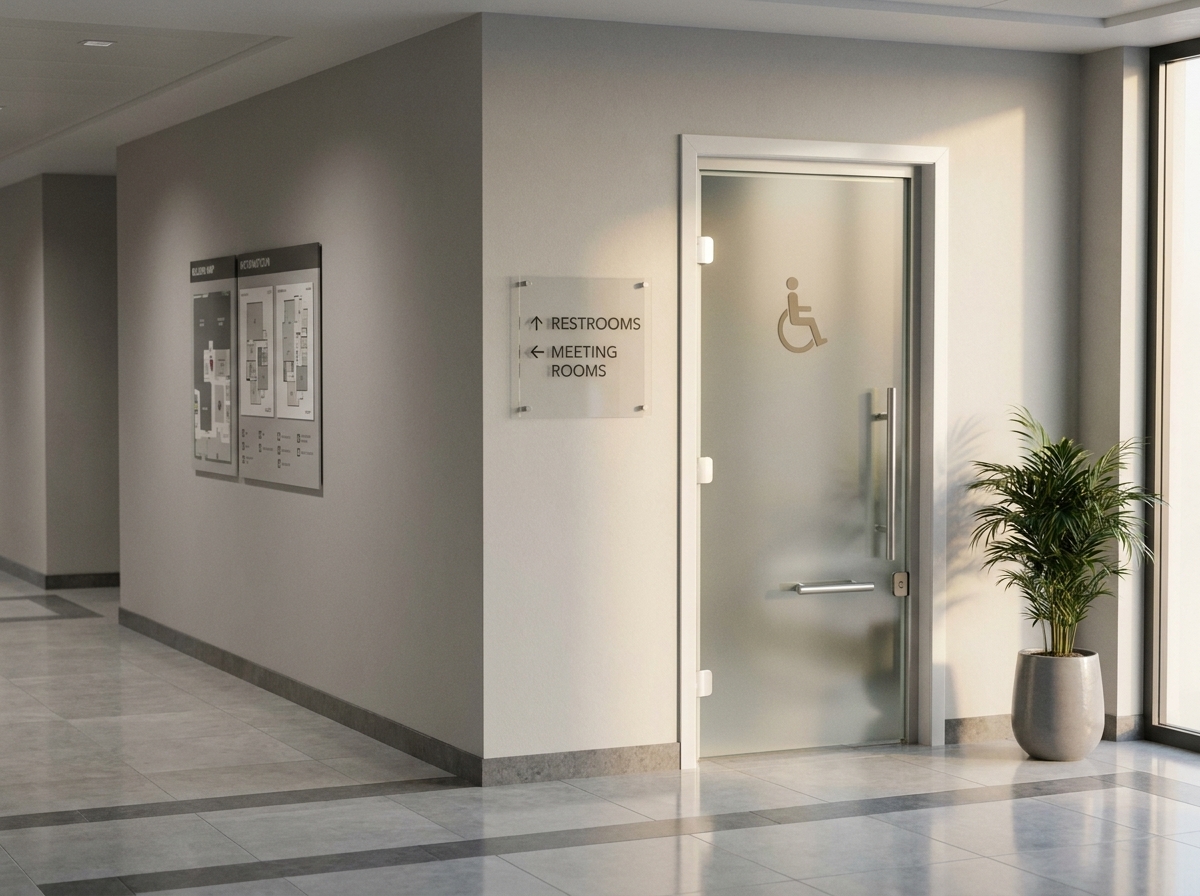
The best solutions are those that users don’t notice because they work so well. In this section, we’ll delve into the key elements of effective wayfinding design.
Legible Typography and High-Contrast Signage
Choosing the right typography and contrast can make or break your signage. Legibility is crucial, especially in a bustling environment. The right font size and style can enhance readability, even from a distance. High-contrast colour schemes ensure that text stands out against its background. For example, dark text on a light background or vice versa is highly effective. When designing signs, consider the x-height of your typography. Larger x-heights improve readability, especially for those with vision impairments. Remember, clear text is a courtesy to all users, making navigation straightforward and stress-free.
Tactile and Braille Signs for Accessibility
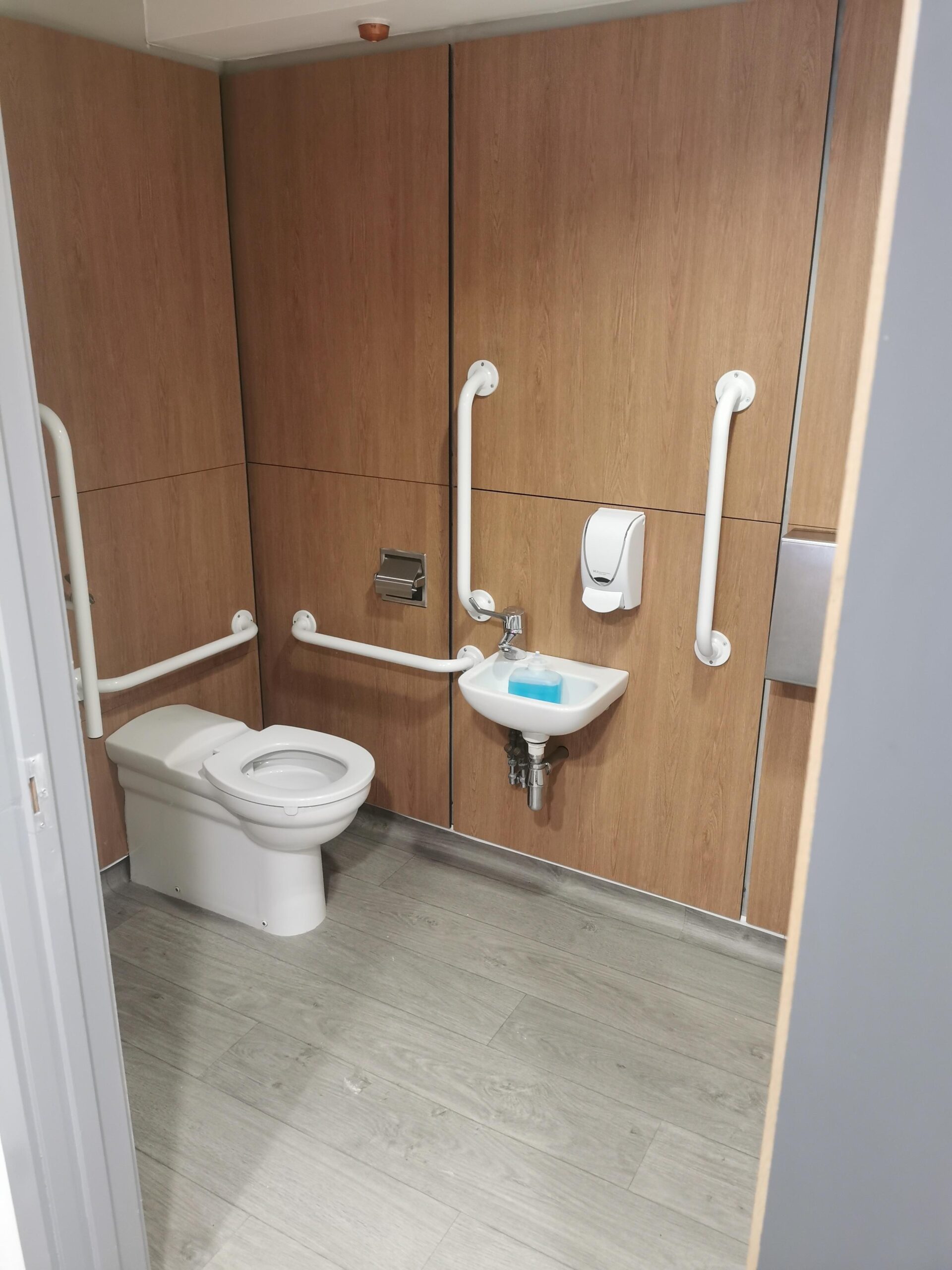
Inclusivity is vital in modern design. Tactile and Braille signs accommodate those with visual impairments, ensuring everyone can navigate your space with ease. These signs are not optional extras; they are essential components of an inclusive environment. By incorporating tactile and Braille signage, you’re not just complying with regulations; you’re expanding your audience and demonstrating social responsibility. According to the Equality Act, businesses must provide reasonable adjustments, which includes accessible signage. This commitment to accessibility can enhance your brand reputation and widen your customer base. Discover more ways to build a robust internal brand here.
Floor Graphics and Anti-slip Laminates
Floor graphics are an innovative way to guide movement without relying on wall space. They can direct foot traffic, reinforce branding, and enhance overall navigation. However, safety must be paramount. Anti-slip laminates are crucial in ensuring these graphics do not become hazards. These laminates provide grip and durability, maintaining their appearance and function over time. The R10 anti-slip rating is a standard to aim for, providing peace of mind that your designs meet safety requirements. With the right materials, floor graphics can be both practical and visually appealing.
Midland Signs’ Comprehensive Service
Partnering with a company that understands your needs can make all the difference. Here’s how Midland Signs ensures a smooth process from start to finish.
Site Survey and Sign Schedule
Our process begins with a thorough site survey. This allows us to understand your specific needs and challenges. We then create a detailed sign schedule, outlining what signs will be produced, their locations, and installation timelines. This early planning stage is crucial in preventing delays and ensuring everything aligns with your vision. By mapping out every detail, we minimise disruptions and maximise efficiency. Trust us to lay the groundwork for a seamless rollout, tailored to your unique environment.
Advanced In-house Sign Production
With over 20 years of experience, Midland Signs boasts advanced in-house production capabilities. This control over the production process means we can guarantee quality and consistency across all signs. Our state-of-the-art equipment, including CNC machines and UV flatbed printers, ensures precision and durability. From acrylic signs to aluminium composite materials (ACM), we handle every step with care. By producing signs in-house, we maintain strict quality standards and offer faster turnaround times. This efficiency translates to a more cohesive and polished final product for your business.
Installation Around Trading Hours
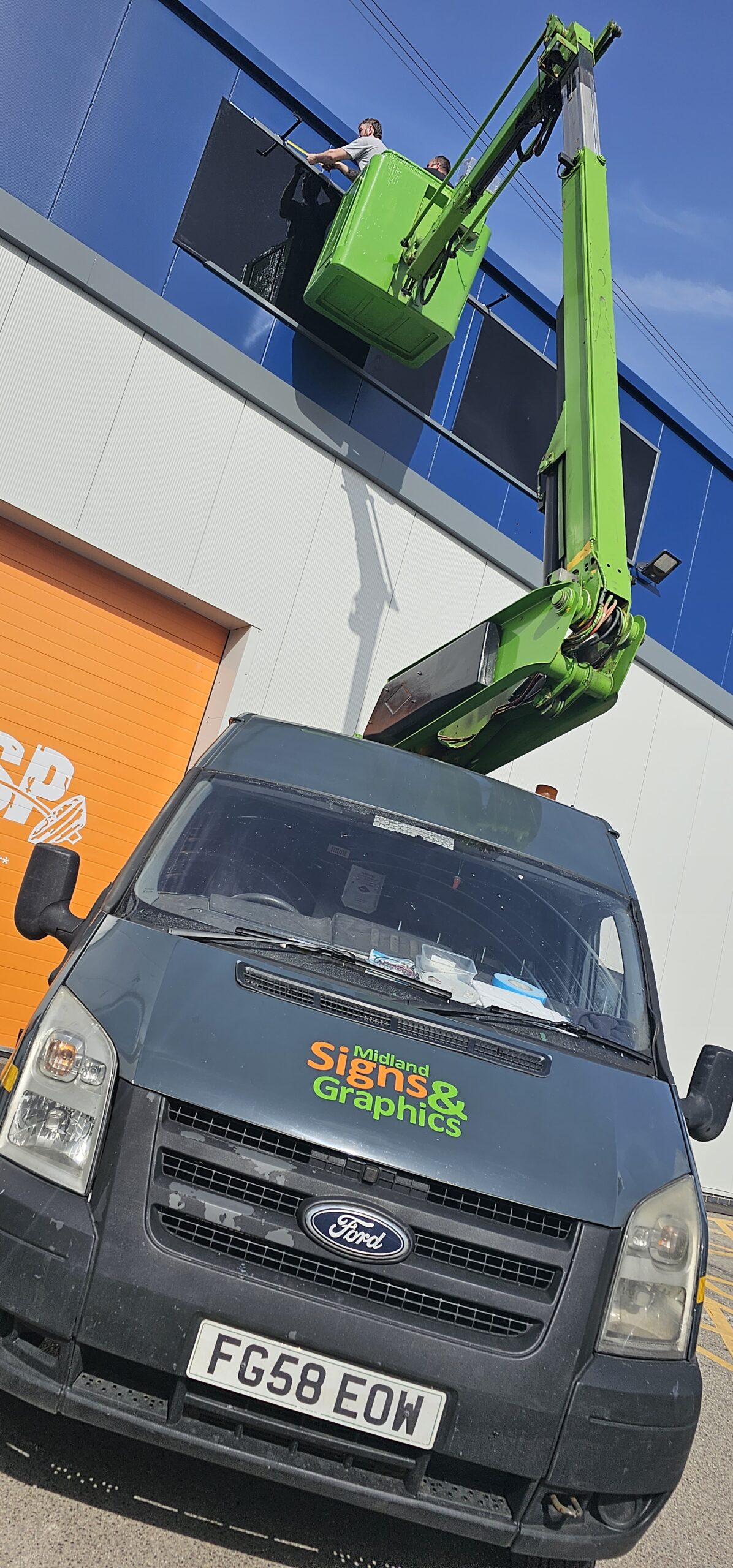
We understand the importance of maintaining normal operations. That’s why our installation services are designed to work around your trading hours. Our team can install signage early in the morning or late at night, whatever suits you best. This flexibility minimises disruption and keeps your business running smoothly. With our expertise, you can rest assured that the installation will be quick and hassle-free. Midland Signs is committed to delivering not just signs, but peace of mind.