
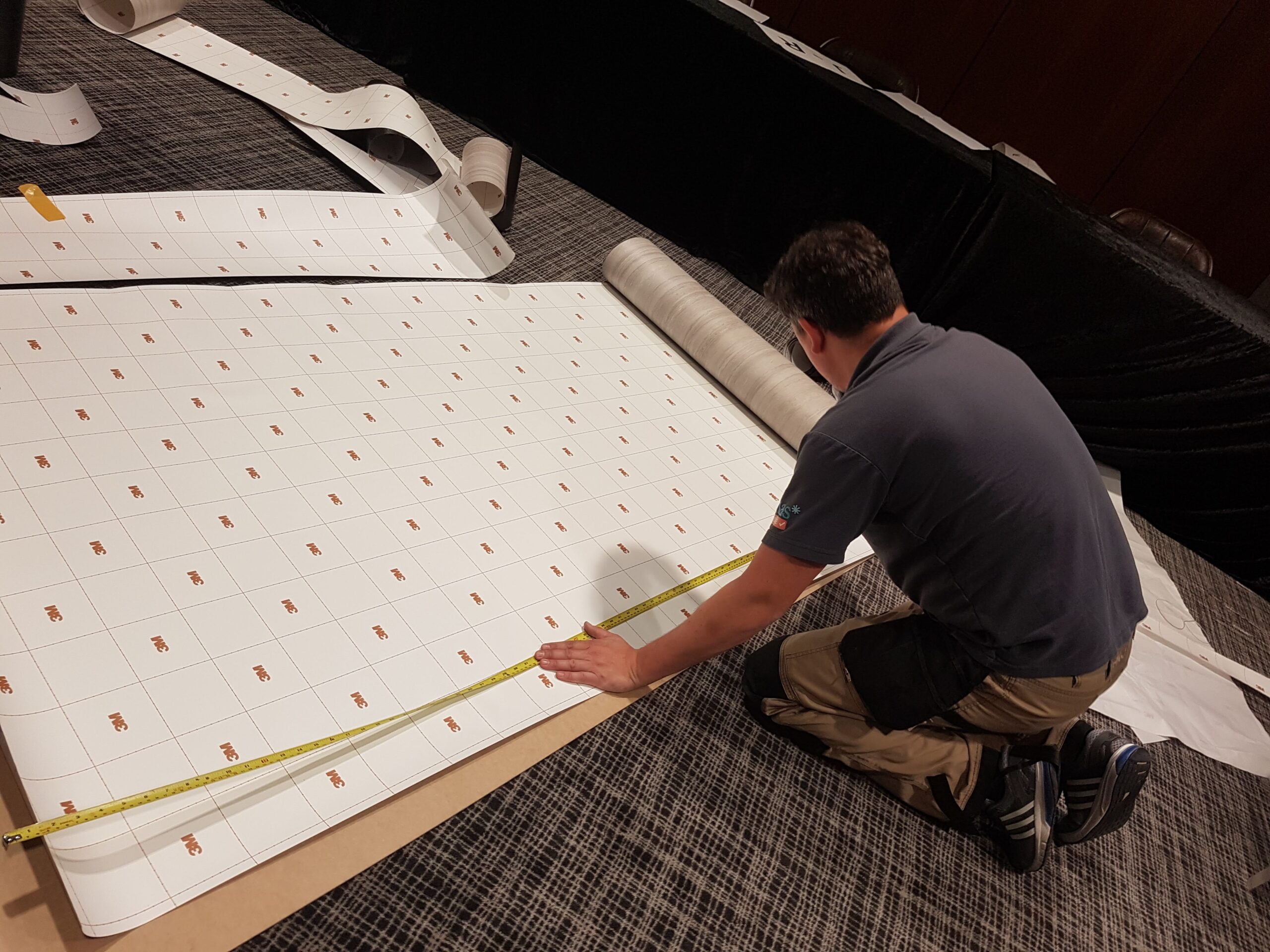
Shop refit planning: what to sort before work starts
Most shop refits overrun because critical details get missed before work starts. You’re juggling landlord approvals, site surveys, RAMS, and signage specifications, all while aiming to keep the project on time and within budget. This guide breaks down the essential steps in shop refit planning, so you can secure every approval and coordinate every trade from one trusted UK-wide partner with in-house production and tight quality control. For more information, visit this guide.
Pre-Start Planning Essentials
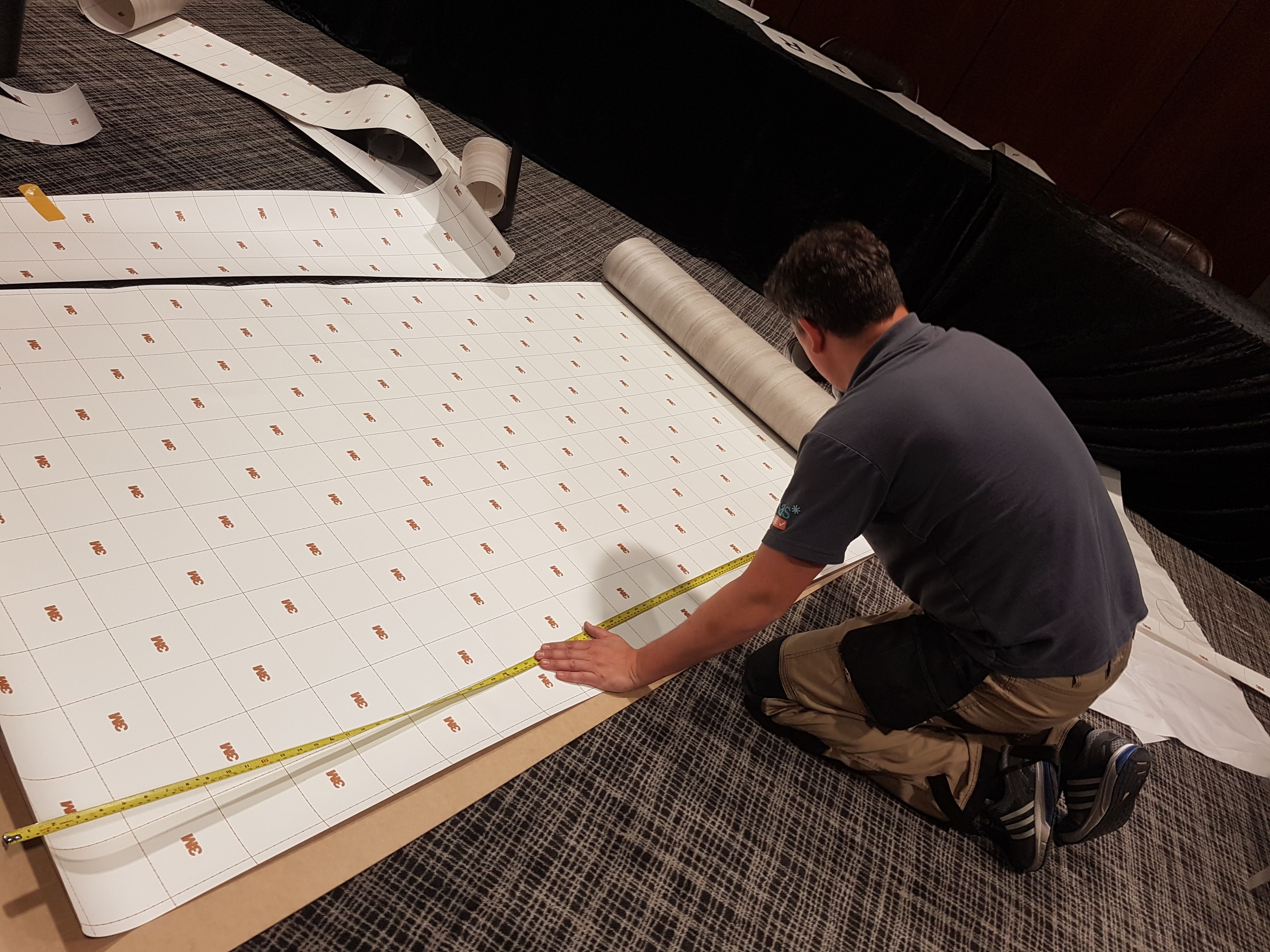
Before any shop refit, laying out a clear plan is crucial. This section helps you set a solid foundation for your project.
Confirming Project Scope
Knowing exactly what your refit entails saves time and money. Define what parts of the shop need work: flooring, lighting, or signage. Make a list of what’s in and out of scope. This clarity prevents costly changes later. Talk to your team about priorities. Perhaps a new shopfront or a fresh paint job is more critical than new flooring. Share your plan with stakeholders. When everyone understands the project scope, it reduces misunderstandings and keeps your refit on track.
Securing Landlord Approvals
Landlord approvals can be a common delay. Start conversations early to ensure smooth sailing. Provide them with detailed plans and timelines. Mention specifics like new signage or structural changes. Be ready to answer questions about materials or safety. Documentation is key. Keep records of all communications and agreements. This step keeps both parties aligned and avoids last-minute surprises.
Scheduling and Programme Management
Time is money. Efficient scheduling ensures your shop is back to trading quickly. Break your project into phases: demolition, refit, and finishing touches. Allocate time for each phase and stick to it. Use project management tools to track progress and adjust as needed. Regularly update your team. This transparency helps manage expectations and keeps everyone focused on the end goal. A well-managed schedule is your best ally in a successful refit.
Preparing the Site for Refit

With planning sorted, the next step is preparing your site. A well-prepared site ensures a smoother refit process.
Conducting a Pre-Start Site Survey
A pre-start site survey identifies potential issues before they become problems. Walk through your site with a checklist. Look for structural concerns or access issues. Take this time to measure spaces accurately. Precise measurements help avoid costly errors during installation. Involve key team members in this survey. Different perspectives can highlight areas you might overlook. A thorough survey lays the groundwork for a trouble-free refit.
Managing Access and Logistics
Logistics can make or break your project. Plan how materials and workers will access the site. Determine the best routes for deliveries. Consider times when the shop is less busy to minimize disruptions. Coordinate with neighbouring businesses if needed. Communication is key. Inform your team about logistics plans and any changes. Keeping everyone informed ensures smooth operations and avoids unnecessary delays.
RAMS and CDM 2015 Compliance
Health and safety are non-negotiable. Ensure compliance with RAMS and CDM 2015. Develop risk assessments and method statements for all tasks. Identify hazards and establish control measures. Assign a competent person to oversee safety compliance. Regularly review and update your safety documents. Compliance not only protects your team but also keeps your project on track.
Signage and Branding Considerations

The final touch in your refit is often the most visible. Get your signage and branding right for maximum impact.
Choosing Shopfront Signage and Materials
Shopfront signage is your first impression. Choose materials that match your brand and budget. Options include illuminated shop signs or CNC fabricated letters for a modern look. Consider longevity and maintenance. Durable materials save money over time. Consult with experts to ensure your signage meets local regulations. Well-chosen signage enhances your shop’s appeal and draws in customers.
Internal Wayfinding and Branding
Internal branding guides customers through your space. Use clear wayfinding signs to direct foot traffic. Consistent branding throughout reinforces your brand’s identity. Think about how colours and fonts communicate your message. Every element should feel cohesive. Well-placed signs improve customer experience and help them find what they need.
Vehicle Graphics and Fleet Branding
Extend your brand beyond the shop with vehicle graphics. Branded vehicles serve as mobile advertisements. Choose designs that are visible and memorable. Consider wraps that protect vehicle paint while showcasing your brand. Fleet branding ensures consistency across all company vehicles. This consistency builds trust and recognizability on the road.
The longer you wait to start your shop refit, the more potential customers you might lose. Taking these steps ensures a smooth process and a stunning final result. Your shop will be ready to impress in no time.