What to Expect from a Full Exterior Refresh Programme
Many businesses underestimate the complexity behind a full exterior refresh programme. You might expect a quick facelift, but managing shopfront signage, illuminated signage, and cladding resprays across multiple sites demands precise coordination. In this post, you’ll learn what to expect from start to finish, including timelines, quality markers, and how in-house sign production keeps projects on track with minimal downtime. For further insights, you might want to explore refresh strategies in architecture and design.
Comprehensive Exterior Refresh Overview
When considering an exterior refresh, understanding the full scope and stages is crucial. This guide will help you grasp what to expect at each juncture of the process.
Understanding the Scope of Work
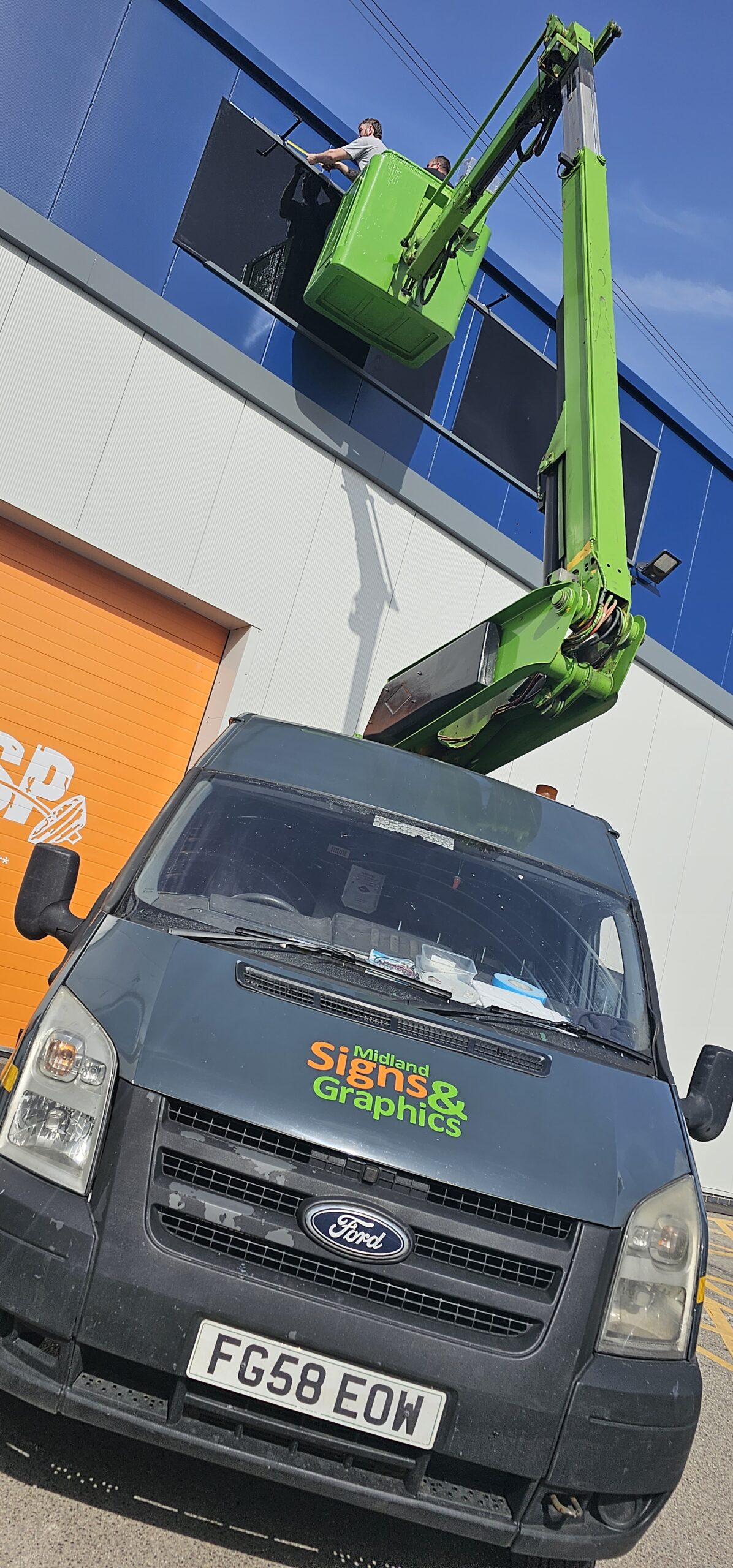
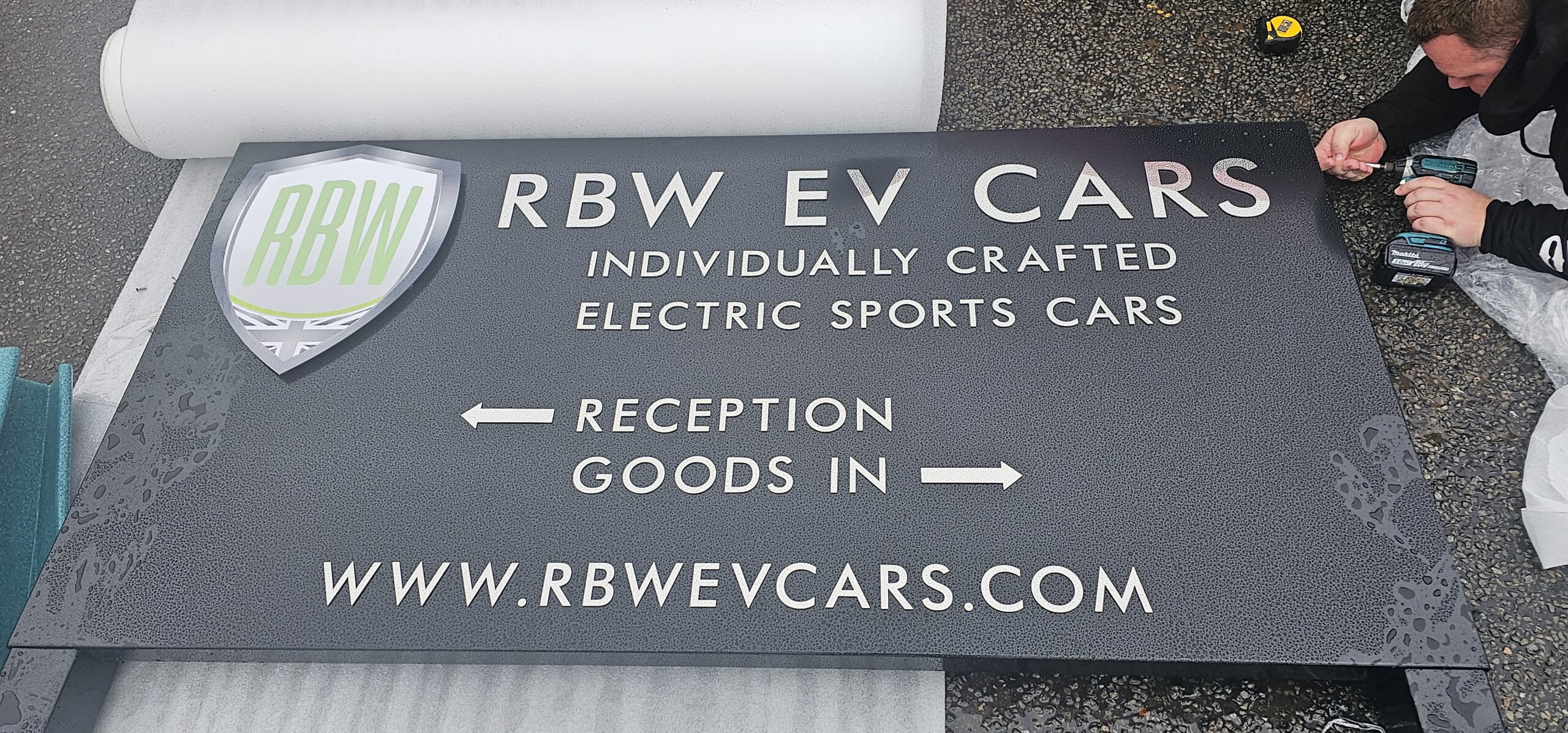
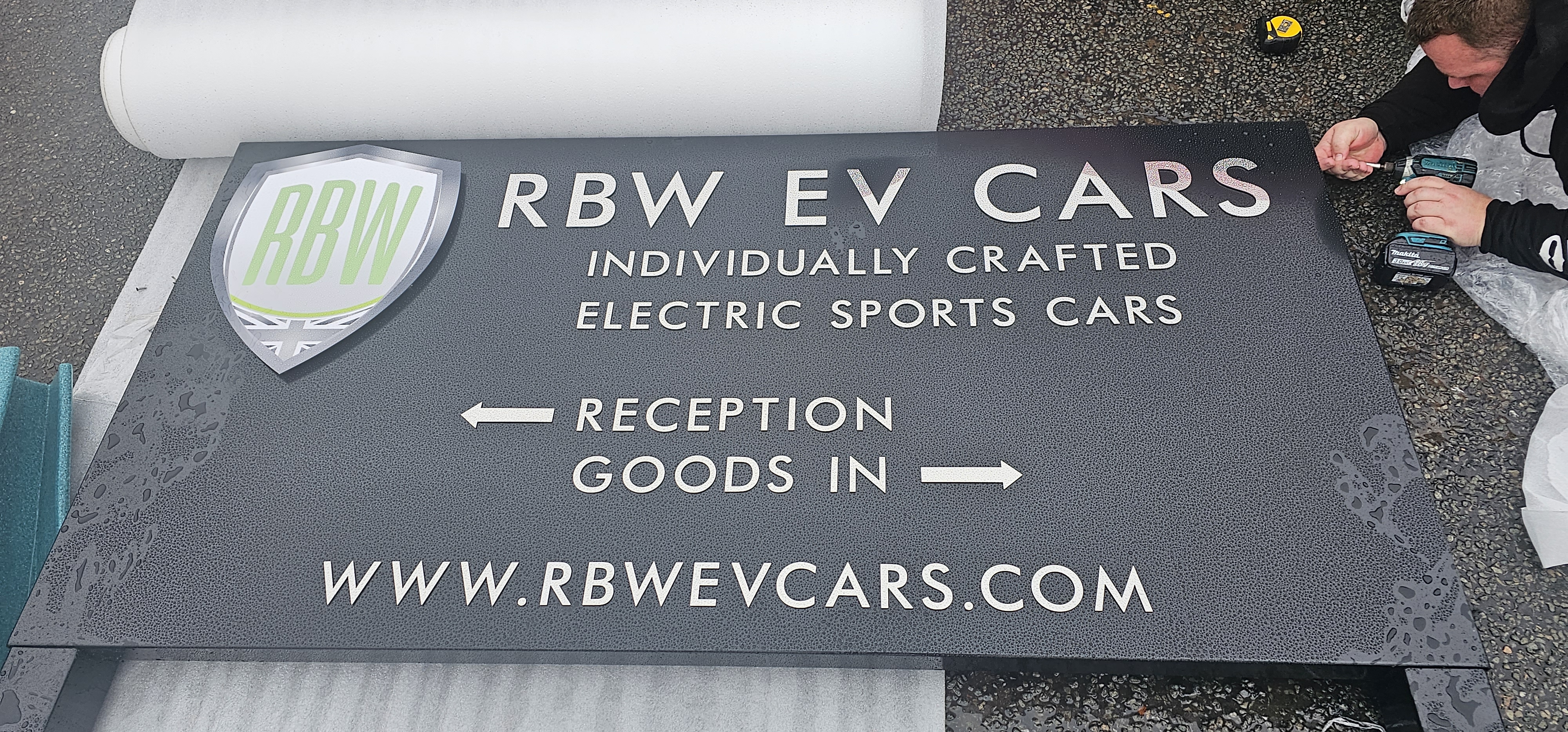
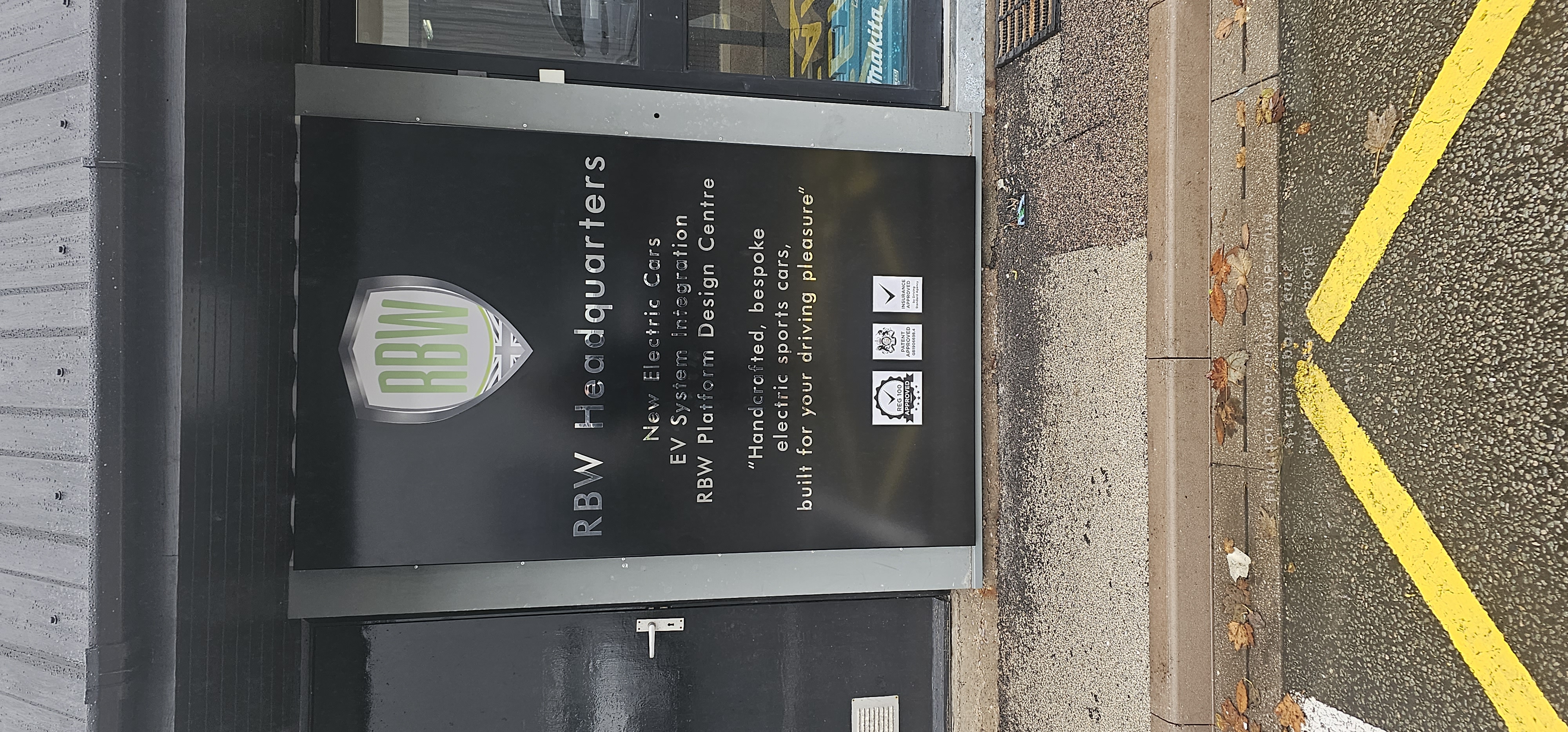
An exterior refresh is more than just a paint job. It involves comprehensive tasks like shopfront signage, cladding resprays, and illuminated signage. Each component has a specific role in enhancing the look and feel of your premises. For example, shopfront signage not only draws attention but also reinforces brand identity. Cladding resprays refresh tired surfaces, and illuminated signage ensures visibility day and night.
Every project starts with a detailed site survey to map out the exact needs. This includes assessing existing conditions, discussing design preferences, and understanding any potential challenges. Such thorough planning ensures no surprises down the line. By having a clear roadmap, you can maintain control over costs and timelines.
Key Stages in the Programme
The programme typically unfolds in a series of structured phases. First, the design and planning stage sets the foundation. Here, decisions about materials, colours, and overall design are finalised. Following this, the production phase kicks off. This involves creating all necessary signage and components, often using in-house facilities for precision and speed.
Next is the installation phase. This is where all the planning comes to life, with teams working on-site to implement the designs. This stage is carefully coordinated to minimise disruptions, especially in trading environments. Finally, a comprehensive review ensures every element meets the set quality standards. Regular updates keep you informed, ensuring transparency throughout the process.
Ensuring Quality and Consistency
Achieving high-quality results is paramount. Let’s explore how in-house production and advanced technology play vital roles in this pursuit.
Importance of In-House Production
In-house production offers significant advantages in quality control and timing. By managing production internally, you avoid the common pitfalls of outsourcing. This control ensures that each sign and component meets exact specifications, reducing the likelihood of errors. Moreover, having everything produced under one roof expedites the process, allowing for quicker adjustments if necessary.
This approach also fosters a seamless transition from design to production. With fewer intermediaries, there’s less chance for communication breakdowns, ensuring a more streamlined process. It means you get a product that aligns perfectly with your brand vision, delivered on time and to the highest standards.
Advanced Technology and Craftsmanship
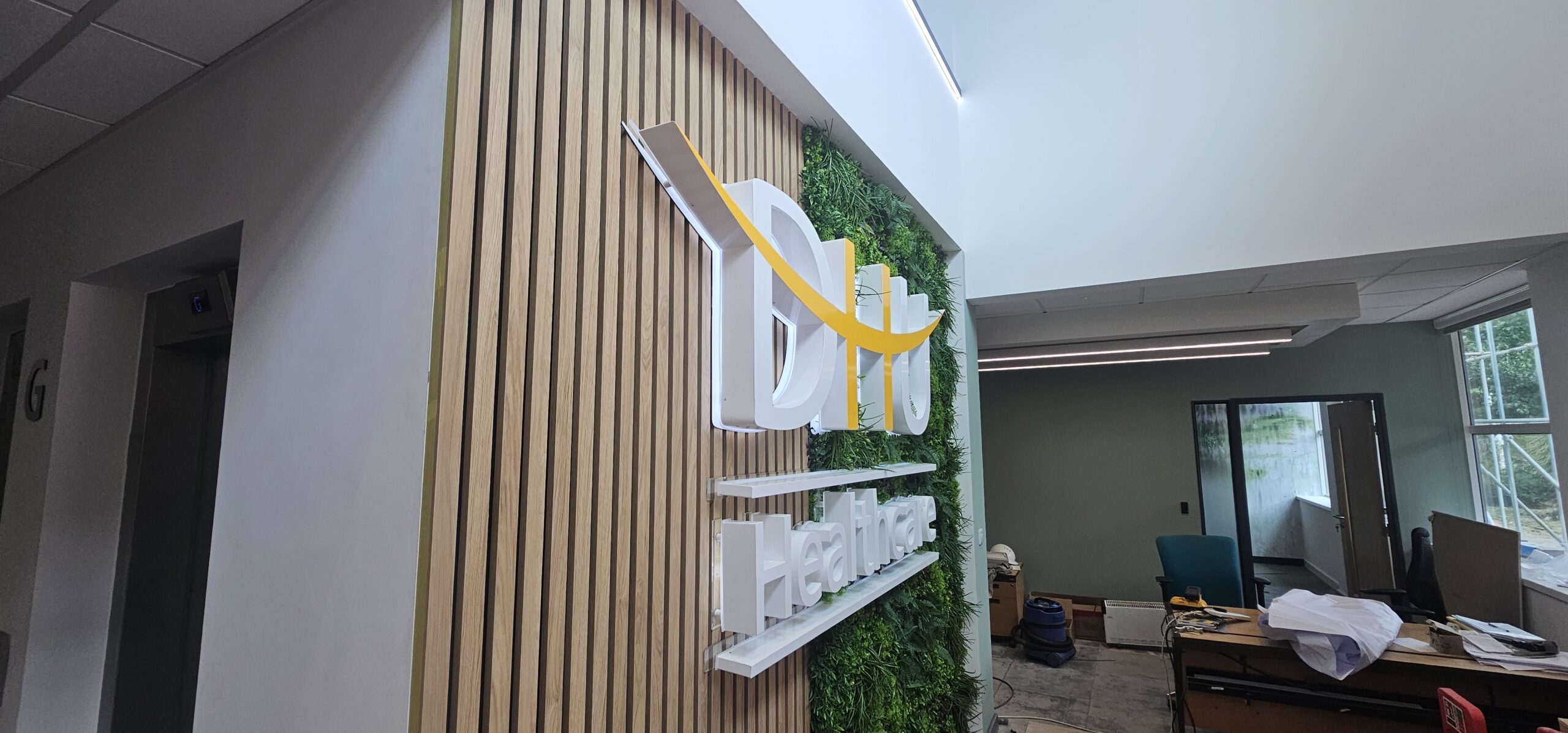
Utilising advanced technology elevates the craftsmanship involved in your project. Tools like CNC routing and laser cutting enable precise, intricate designs that stand out. These technologies allow for detailed work that manual methods simply can’t match. By using LED illumination, businesses can ensure their signage is visible and energy-efficient.
Craftsmanship also plays a crucial role. Skilled technicians bring years of experience to each project, ensuring that every piece is finished to perfection. This combination of technology and craftsmanship guarantees that your refresh not only meets but exceeds expectations.
Efficient Project Timelines and Deliverables
Time is often a critical factor in any project. Here’s how strategic planning minimises downtime and ensures timely delivery.
Minimising Downtime with Strategic Planning
Strategic planning is key to reducing downtime during a refresh. By carefully scheduling each phase, we ensure that your business operations face minimal disruption. Out-of-hours installation is one method used to work around regular business activities, keeping your operations running smoothly.
Moreover, our teams are trained to work efficiently without sacrificing quality. This balance of speed and care means projects are completed promptly. By staying proactive and anticipating potential delays, we can adjust plans quickly, preventing minor issues from becoming major setbacks.
Achieving Brand Consistency Across Sites
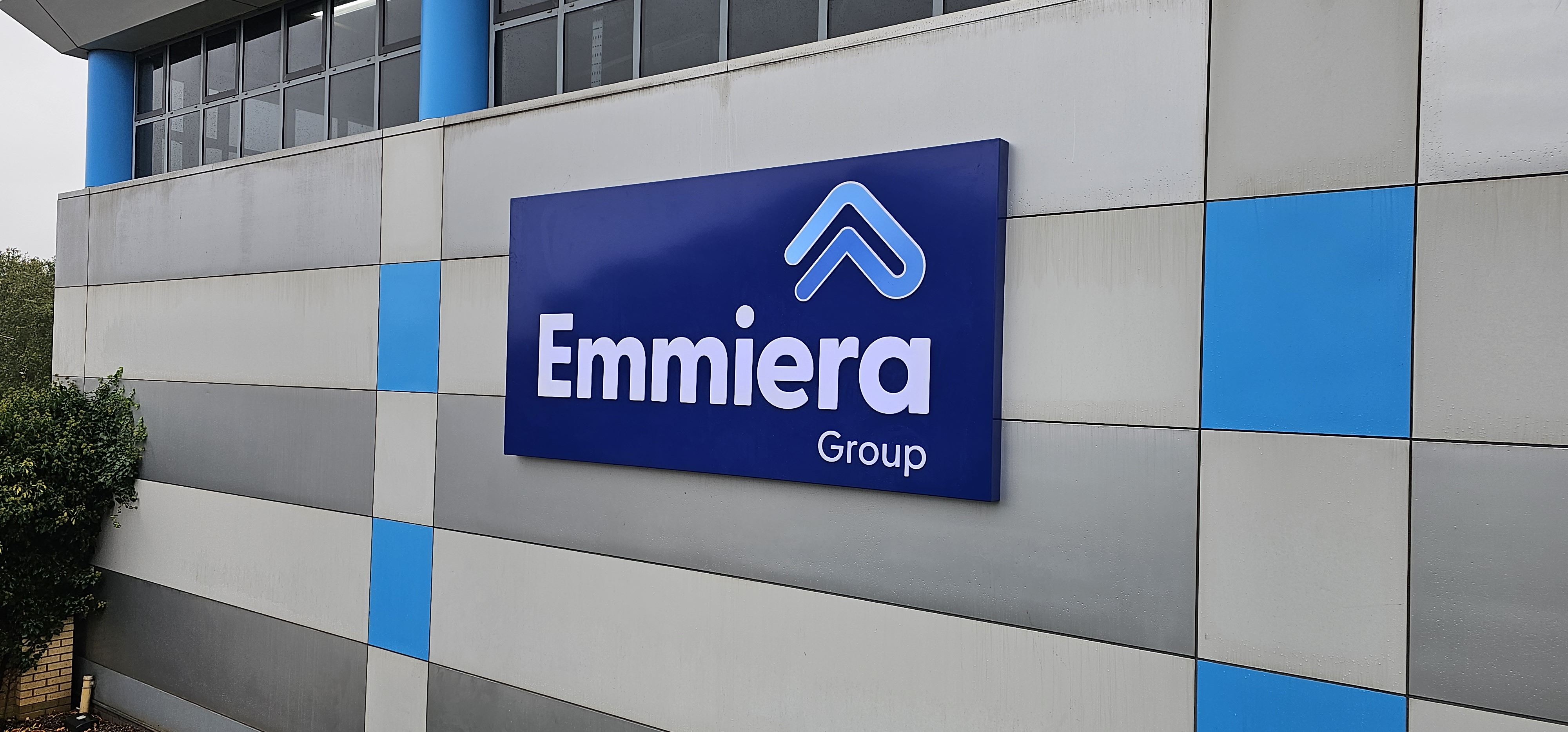
For multi-site operations, maintaining brand consistency is essential. Through a nationwide rollout, we ensure that every location reflects the same high standards. Consistent signage across sites helps reinforce brand identity and assures customers of your reliability.
Our approach includes thorough documentation and regular checks to keep every site aligned with your brand vision. With a comprehensive understanding of your branding needs, we deliver cohesive results, whether it’s for a single location or multiple sites across the UK.
In summary, a full exterior refresh programme involves careful planning, execution, and quality assurance. By choosing a partner that manages production in-house and uses advanced technology, you ensure a process that is both efficient and effective. Whether you’re upgrading a single site or rolling out changes across a network, the right approach will keep your brand looking sharp and ready to impress.
GeT intouch