Key Considerations for Durable, Weather-Resistant Construction Site Signage
Construction site signs face constant challenges from harsh weather and demanding environments. Choosing durable signage that holds up under these conditions isn’t optional—it’s essential for safety and compliance. In this post, you’ll learn the key factors that make weather-resistant signage truly reliable, backed by precision CNC technology and expert craftsmanship. For more insights, visit this link.
Importance of Durable Signage
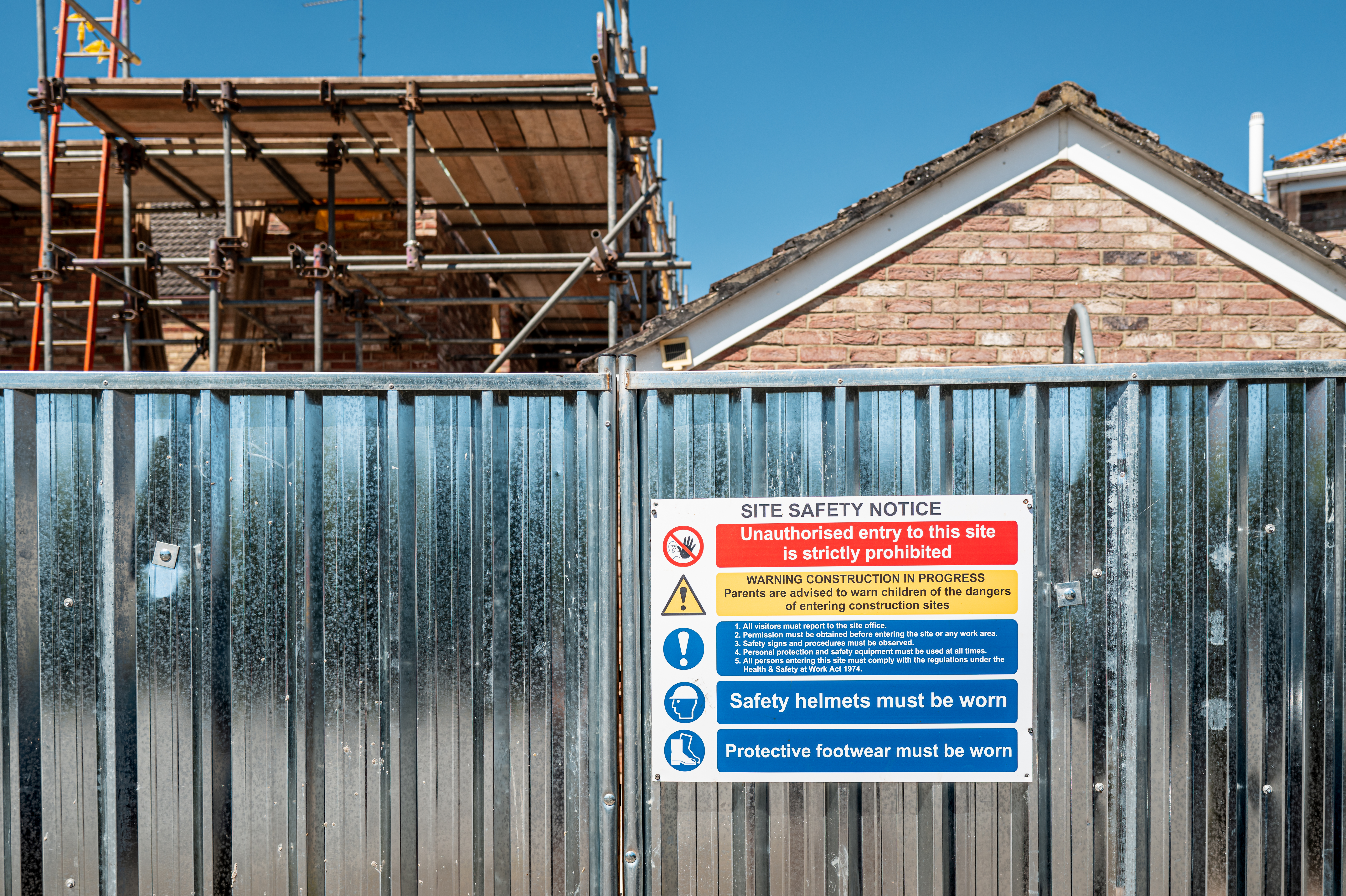
For construction sites, rugged signs aren’t just helpful—they’re vital. Signs must withstand the elements while conveying important information clearly.
Material Selection for Longevity
Picking the right materials is crucial. Metals like aluminium resist corrosion and endure weather well. Plastics, such as polyethylene, offer strength without the weight of metal. Choosing these materials ensures your signs last. When thinking about materials, consider the climate. In areas with high winds, heavier options might be better. For more guidance, check out this resource.
Impact of Harsh Weather Conditions
Weather can be brutal. Rain rusts metal, while the sun fades colours. Wind can tear signs down. Testing materials in real conditions helps you select those that can take a beating. Most assume all signs are the same, but varying weather demands specific solutions. Investing in quality now saves money on replacements later. For tips on choosing signs for tough climates, see this link.
Weather-Resistant Signage Solutions
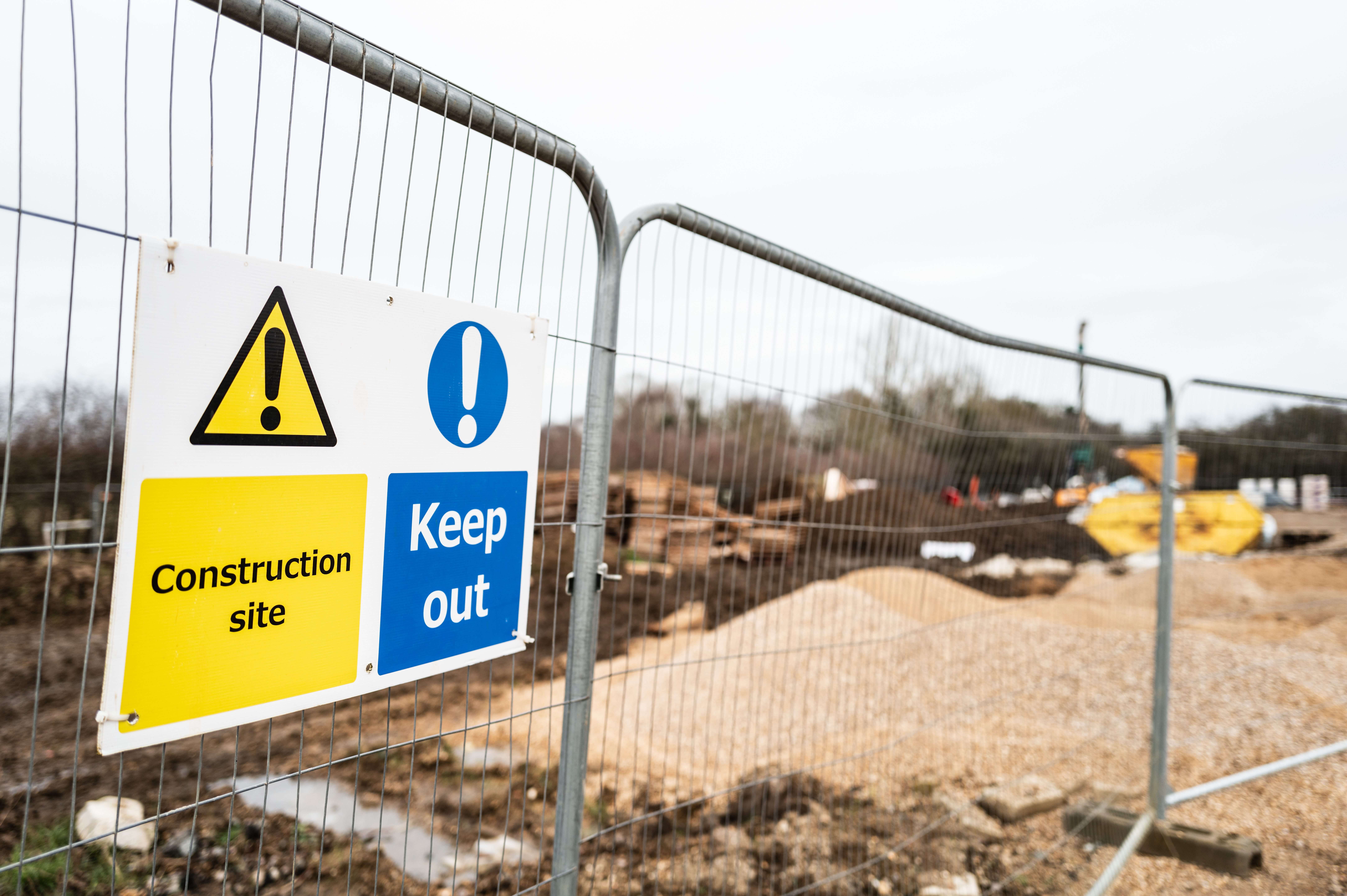
Proper signage can face the harshest weather. High-quality materials and smart design choices make all the difference.
Choosing High-Quality Signage Materials
Using top-grade materials is key. Aluminium and polyethylene are popular for their durability. They resist rust and sunlight, keeping signs readable over time. Quality materials boost longevity, reducing the need for replacements. When you choose the best, you’re investing in reliability. Remember, not all plastics are equal—seek those designed for outdoor use. For more on weatherproofing, visit this site.
Benefits of CNC Technology in Signage
CNC technology offers precision and consistency. This ensures every sign is crafted to the highest standards. With CNC, complex designs are possible without compromising quality. The precision of CNC also means less waste, making it an eco-friendly choice. Many might think CNC is expensive, but it often reduces costs due to its efficiency and precision. Explore more about CNC technology’s role in signage here.
Bespoke Signage for Construction Sites

Every construction site has unique needs, and signage should reflect that.
Tailoring Signage to Specific Needs
Custom signs cater to specific requirements. Whether it’s safety warnings or directional guides, tailor-made solutions ensure clarity and compliance. Bespoke signs offer flexibility in design and function. They also enhance branding, reinforcing your company’s presence on-site. While some think generic signs are sufficient, bespoke options handle specific site demands effectively.
Ensuring Compliance and Safety
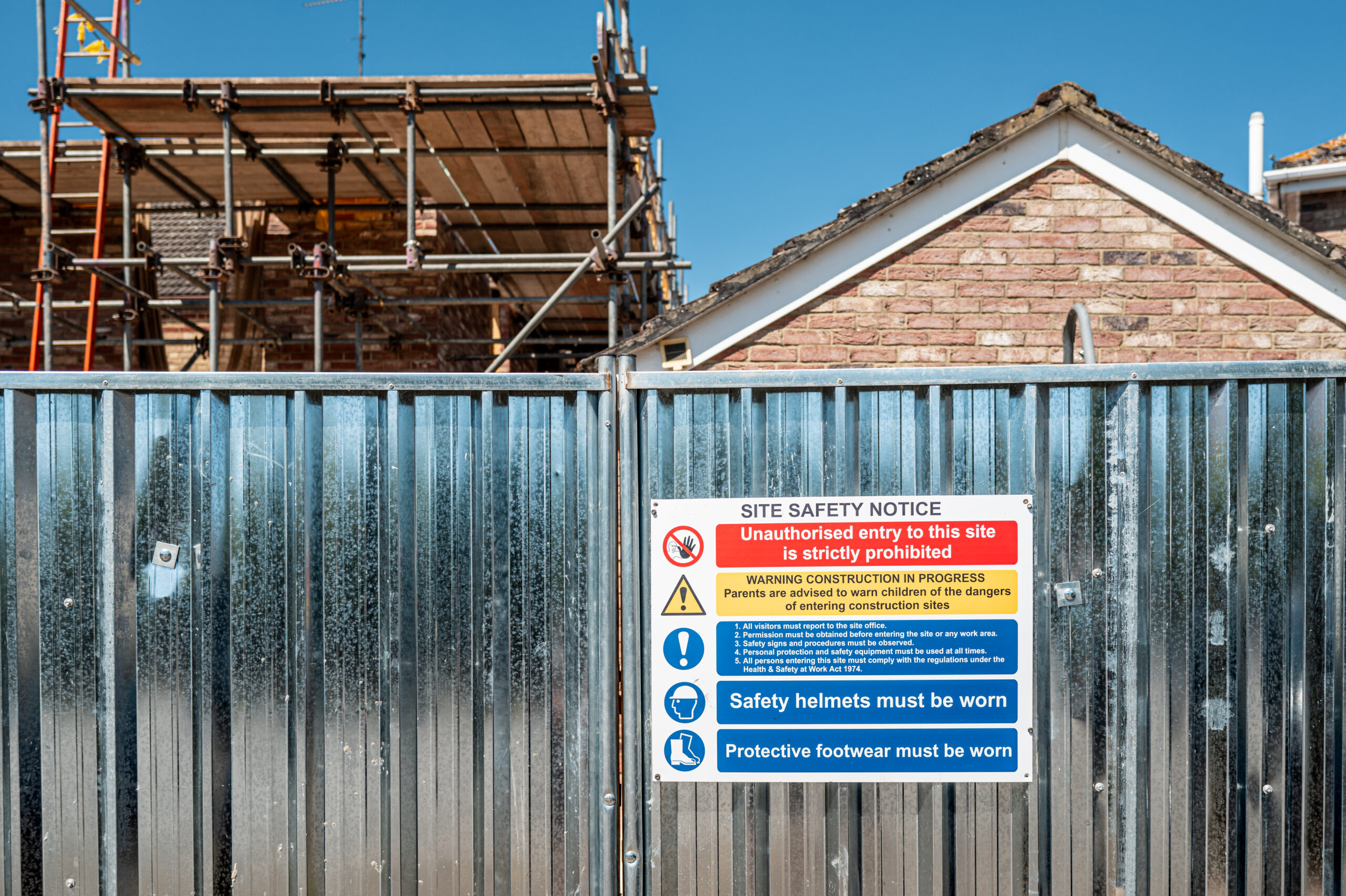
Compliance is non-negotiable. Signs must meet safety standards to protect workers and visitors. These standards often require specific designs and placements. Investing in compliant signage prevents potential legal issues down the line. Safety isn’t just about following rules—it’s about protecting lives. The longer you wait to upgrade your signage, the higher the risk. Make the change today to ensure safety and compliance on your site.
By focusing on durable materials and precise technology, you can ensure your construction site signage stands the test of time. Prioritising quality and compliance not only safeguards your project but also enhances your brand’s reliability and professionalism.
GeT intouch