
Tenant Changeover Refresh: A Property Manager’s Checklist for Faster Re‑lets
Tenant changeover refresh projects often stall due to overlooked details and uncoordinated contractors. You need a clear checklist that ensures compliance, speeds up void works, and keeps budgets on track. This guide outlines exactly what to consider before approving any unit refresh UK, helping you reduce downtime and secure rapid re-lets with confidence.
Preparing for a Tenant Changeover Refresh
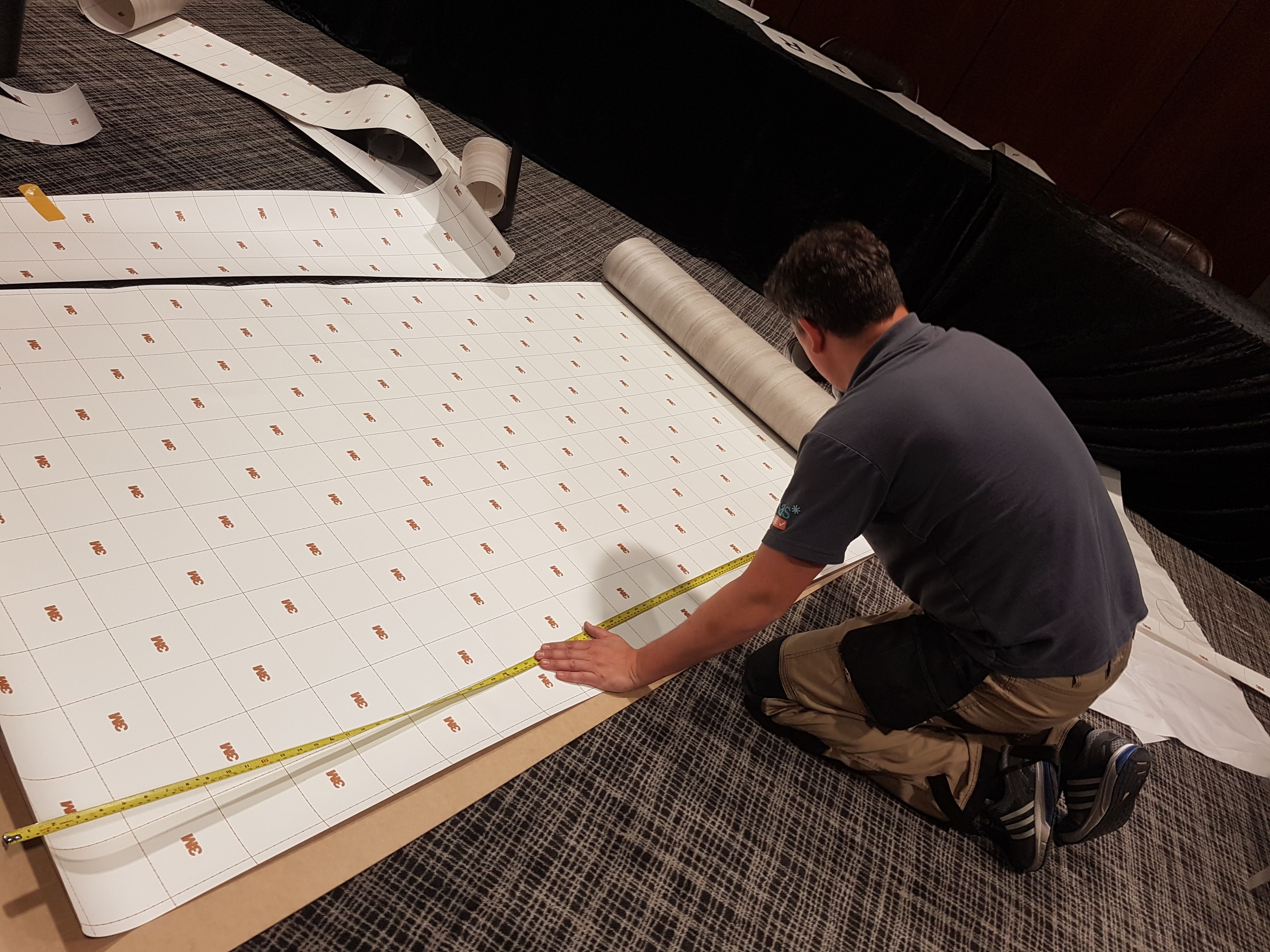
Navigating a tenant changeover can be challenging, but a well-planned refresh helps smooth the process. Let’s dive into key steps for preparation that set the stage for success.
Assessing the Current State
Understanding the current condition of your property is crucial. Start with a walk-through to note any wear and tear. This initial inspection helps identify the areas needing attention, whether it’s a shopfront colour change or fixing minor damages. Look out for safety concerns too; addressing these early can prevent larger issues down the line.
It’s important to document everything. Take photos and jot down notes. This visual record becomes a valuable tool when planning your refresh. Plus, it provides a clear baseline to measure improvements. If you’re unsure where to start, a professional assessment might be worth considering.
Identifying Compliance Needs
Next, focus on compliance. Ensuring your property meets all legal requirements is non-negotiable. Be aware of specific regulations like DDA/Equality Act signage or CDM 2015 compliance. These standards ensure accessibility and safety for all tenants and visitors.
Consider consulting with experts if compliance feels overwhelming. They can guide you through RAMS (risk assessments and method statements) and other complex documentation. Keep in mind, staying compliant not only avoids legal headaches but also enhances your property’s reputation.
Ensuring Budget Protection
Budgeting is a critical component of any refresh project. Start by setting a realistic budget that covers all expected expenses. Be sure to include a contingency fund for unexpected costs. This financial cushion helps keep your project on track even if surprises arise.
Work closely with your contractors to get accurate quotes and timelines. Transparency in pricing and scheduling goes a long way in protecting your budget. Monitoring expenses as the project progresses ensures you stay within your financial limits.
Streamlining the Re-let Process

With preparations in place, it’s time to streamline the re-let process. Efficient strategies and open communication are key to reducing downtime and securing quick re-lets.
Minimising Downtime Strategies
Reducing downtime starts with efficient planning. Consider scheduling work during off-peak hours or even opting for out-of-hours installation. This approach minimises disruptions and speeds up the process, leading to faster re-lets.
Think about running multiple tasks concurrently. For instance, while one team focuses on fascia sign replacement, another might tackle interior updates. This overlap saves time and gets the property market-ready sooner.
Effective Communication with Contractors
Strong communication with contractors is essential. Regular updates and clear directives keep everyone aligned and focused. Share your goals and timelines from the beginning to ensure all parties are on the same page.
Consider holding weekly check-ins. These meetings provide a platform to address issues and adjust plans as needed. Don’t underestimate the power of good communication; it often leads to smoother execution and better results.
Planning Consent and Signage Regulations
Understanding planning consent and signage regulations is vital. Each property might have unique requirements, especially when dealing with listed building signage or planning consent for signage. Ignoring these can lead to delays or fines.
Research local regulations early in the planning phase. Consulting with experts ensures you’re not caught off guard by unexpected rules. Compliance in this area not only avoids setbacks but also assures potential tenants of your professionalism.
Enhancing Property Appeal
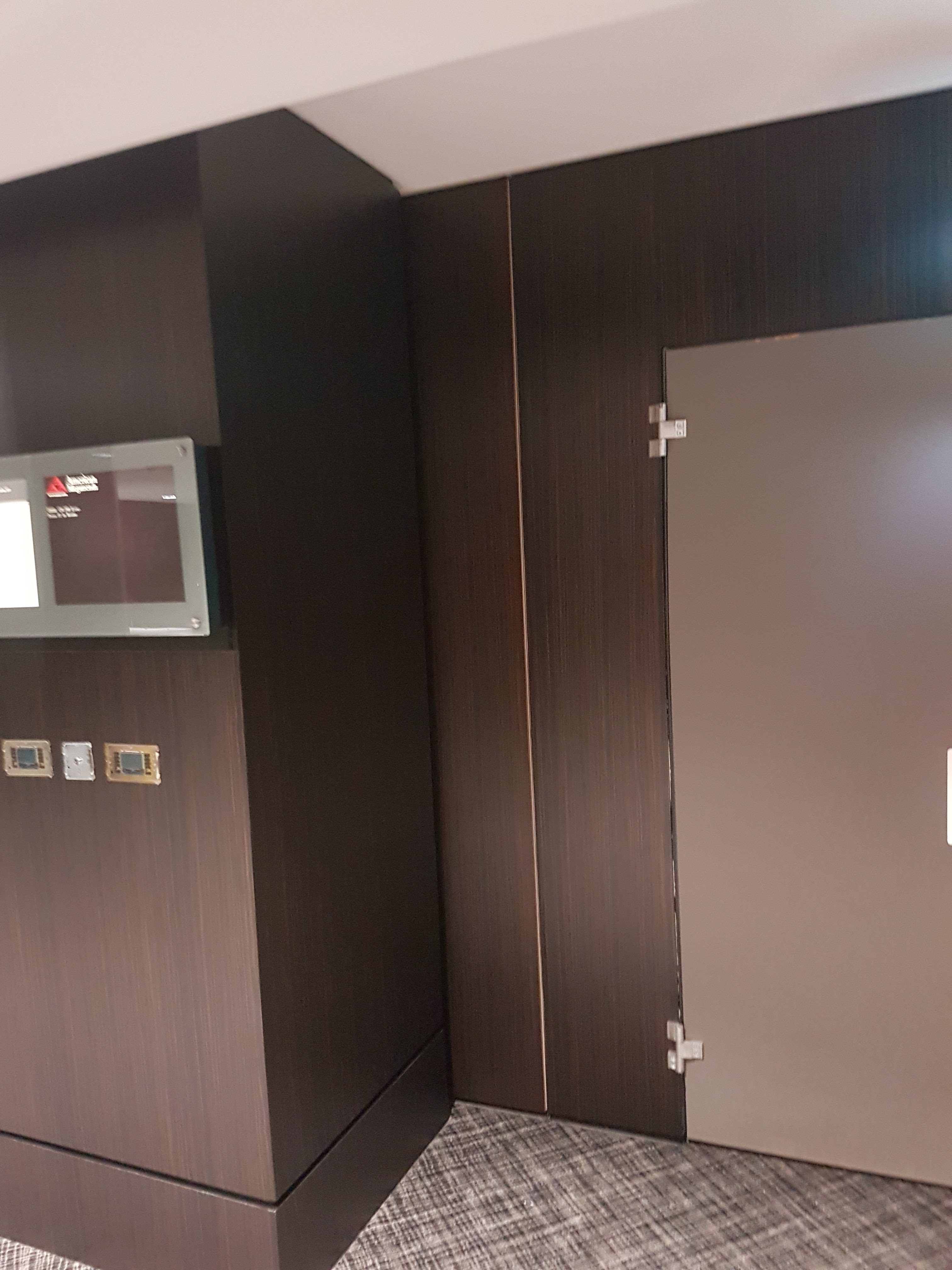
A refreshed property requires a focus on appeal. Let’s explore ways to enhance the look and feel of your property, making it irresistible to potential tenants.
Shopfront Colour Change Options
A new shopfront colour can transform your property. Vibrant colours catch the eye and draw in potential tenants. Consider current trends but also think about what suits the property and location.
Experiment with different shades and finishes. A fresh coat of paint or a stylish wrap can make a significant impact. Don’t shy away from bold choices; they often create memorable first impressions.
Fascia and Illuminated Sign Upgrades
Upgrading fascia and illuminated signs can boost your property’s appeal. Refined signage not only looks professional but also improves visibility. Choose materials that endure weather conditions while maintaining their allure.
Consider adding LED illuminated signs for added impact. These signs are energy-efficient and catch attention both day and night. Investing in quality signage is an investment in your property’s long-term appeal.
Internal Signage and Wayfinding Improvements
Internal signage plays a crucial role in tenant and visitor experience. Clear internal wayfinding signage ensures everyone can navigate your property with ease. It’s about creating a welcoming environment that enhances convenience.
Focus on practical elements like statutory fire safety signage BS 5499 or ISO 7010 signs. These not only meet legal requirements but also assure tenants of their safety. Remember, thoughtful signage design reflects well on your property.
In conclusion, preparing for a tenant changeover refresh involves careful planning, strategic execution, and a focus on compliance and appeal. Each step builds toward a successful project that reduces downtime, protects your budget, and enhances property value. Embrace these insights and watch your property thrive through each changeover.
GeT intouch