Minimising Downtime on Shop Refits: Plan Precisely, Trade Sooner
Downtime during shop refits can drain your revenue and frustrate your team. When every hour counts, precise shop refit planning becomes essential to keep your doors open. By combining in-house signage production with out-of-hours installation and a phased works programme, you can reduce closure time and maintain brand consistency across sites. Let’s explore how disciplined planning and expert delivery from Midland Signs help you trade sooner across the UK. Learn more about strategies to reduce downtime during renovation projects.
Strategic Shop Refit Planning
Effective shop refit planning starts with a strategic approach to keep disruptions minimal. This involves a solid understanding of timelines, safety protocols, and efficient coordination.
Significance of Gantt Scheduling
Using Gantt scheduling can transform your project timeline into a visual plan everyone can follow. This tool allows you to map out every phase, ensuring that no task overlaps unnecessarily. By allocating precise time blocks, you can keep your project on track. For instance, you might schedule sign installation hours before opening or after closing to minimise downtime retail operations. With Gantt scheduling, you gain control over your shop refit planning, making sure every moment is optimised.
Role of RAMS and Method Statements
RAMS (Risk Assessment and Method Statements) provide a safety net for your projects. These documents outline potential risks and the methods to handle them, which is crucial in a complex environment like a shop refit. By anticipating issues, you can prevent delays and ensure that work flows smoothly. This proactive approach supports a safer workplace and aligns with CDM compliance. Your team’s confidence grows when they know each step is planned with safety in mind.
Importance of CDM Compliance
Compliance with Construction (Design and Management) regulations is not just a legal requirement, but a practical guide to planning safe projects. By adhering to CDM regulations, you protect both your workers and your investment. This compliance ensures that everyone working on the project is clear on roles, responsibilities, and safety measures. When you integrate CDM compliance into your shop refit planning, you’re laying the foundation for a project that not only meets legal standards but also reduces risks and enhances efficiency.
In-House Production Advantages

Leveraging in-house production provides significant benefits. From cost savings to enhanced quality control, this approach supports a faster turnaround and consistent results across multiple locations.
Benefits of CNC Routing and Laser Cutting
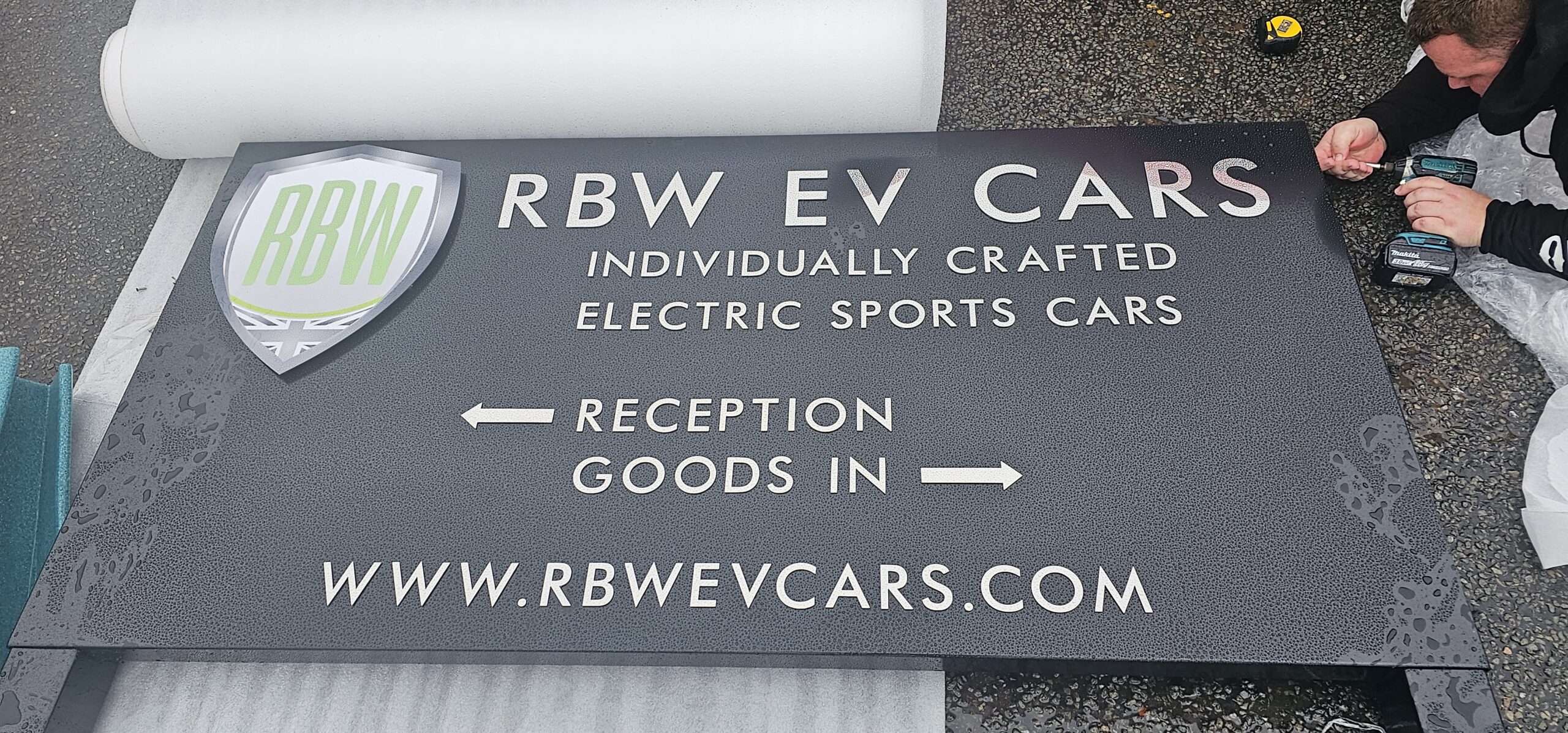
CNC routing and laser cutting elevate the precision of your signage. These technologies offer intricate designs and exact replicas, ensuring your branding is sharp and professional. Whether you’re crafting wayfinding signage or detailed shopfront designs, the reliability of CNC and laser technologies means fewer errors and faster completion. This method allows for quick adjustments, keeping your project agile and on schedule.
UV Flatbed Printing and LED Illuminated Signage
In-house UV flatbed printing brings vibrant visuals to life, while LED illuminated signage enhances visibility, even at night. These techniques ensure your signage stands out and maintains its quality over time. By managing these processes internally, you control quality and reduce lead times. This approach means your branding is cohesive and strong across all sites, supporting brand consistency across locations.
Ensuring Brand Consistency Across Sites
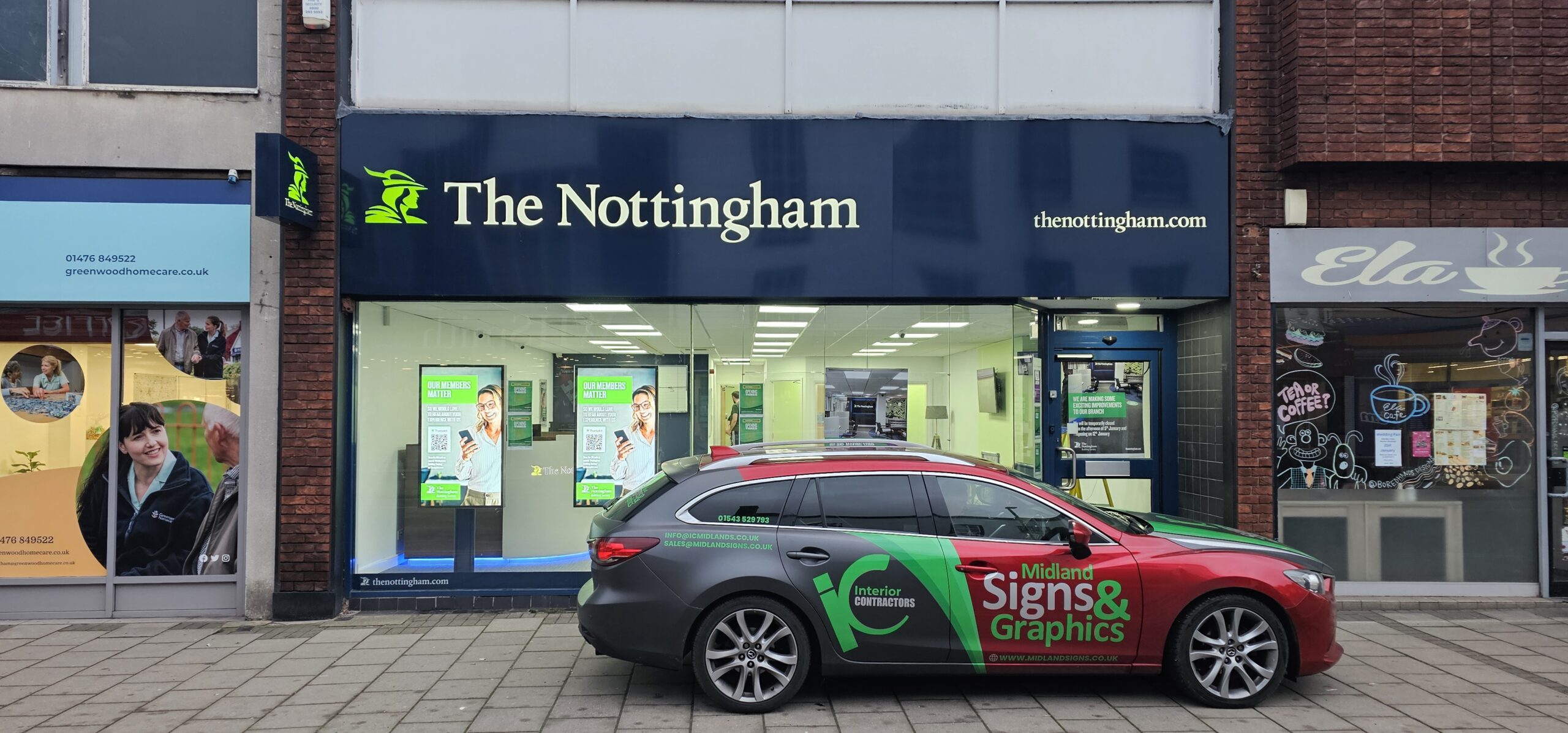
Consistency is key in multi-site rollouts. In-house production allows for uniformity in design and execution, ensuring each site reflects your brand’s identity. By managing production internally, you maintain control over materials and finishes, guaranteeing that every piece matches your standards. This consistency strengthens your brand’s image across different locations, providing customers with a familiar and trusted experience.
Effective Phased Works Programmes
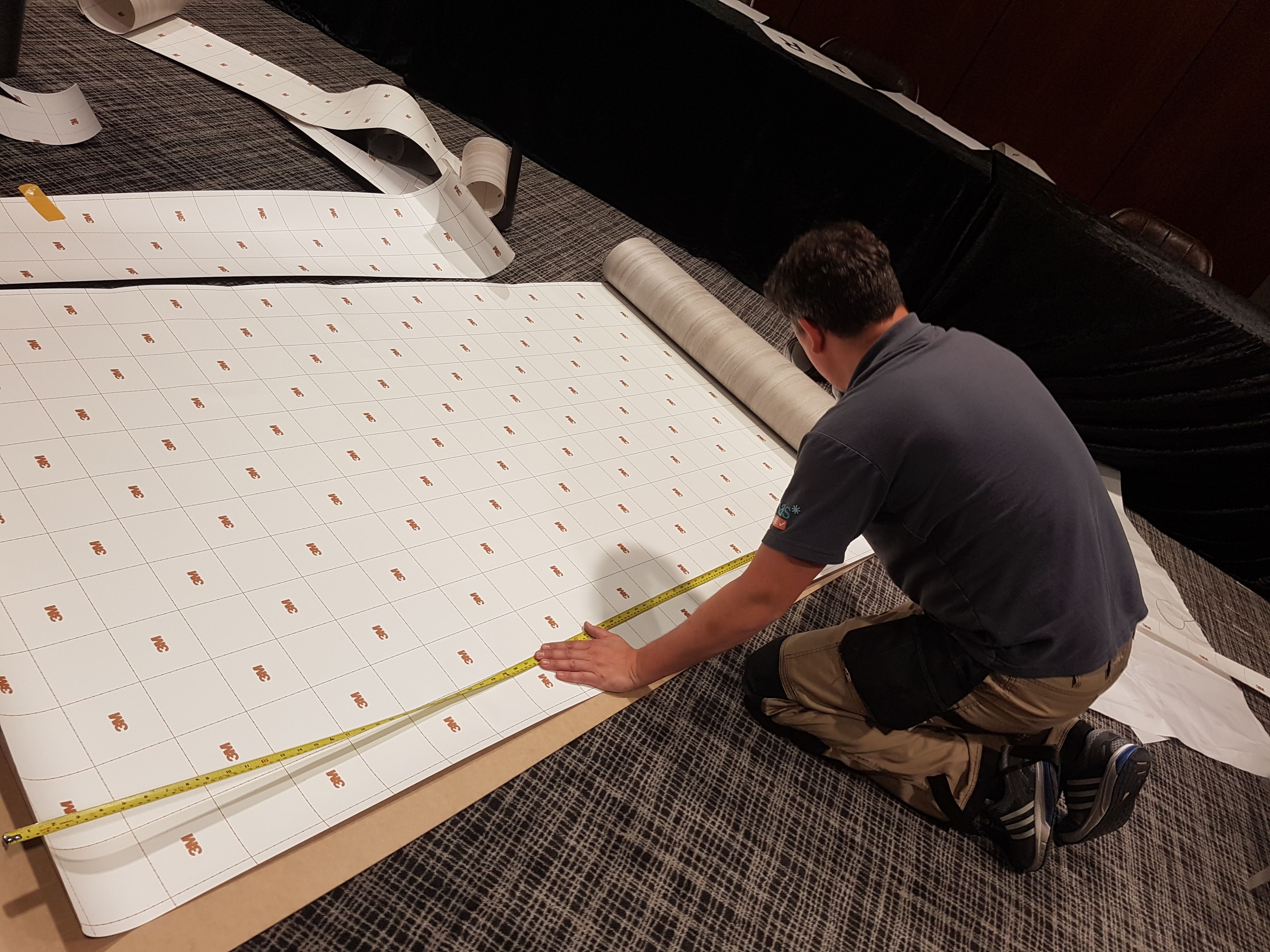
Phased work programmes offer a solution to minimise disruption and maximise efficiency. By breaking down the project into manageable parts, you keep the focus sharp and the progress steady.
Coordinating Out-of-Hours Installation
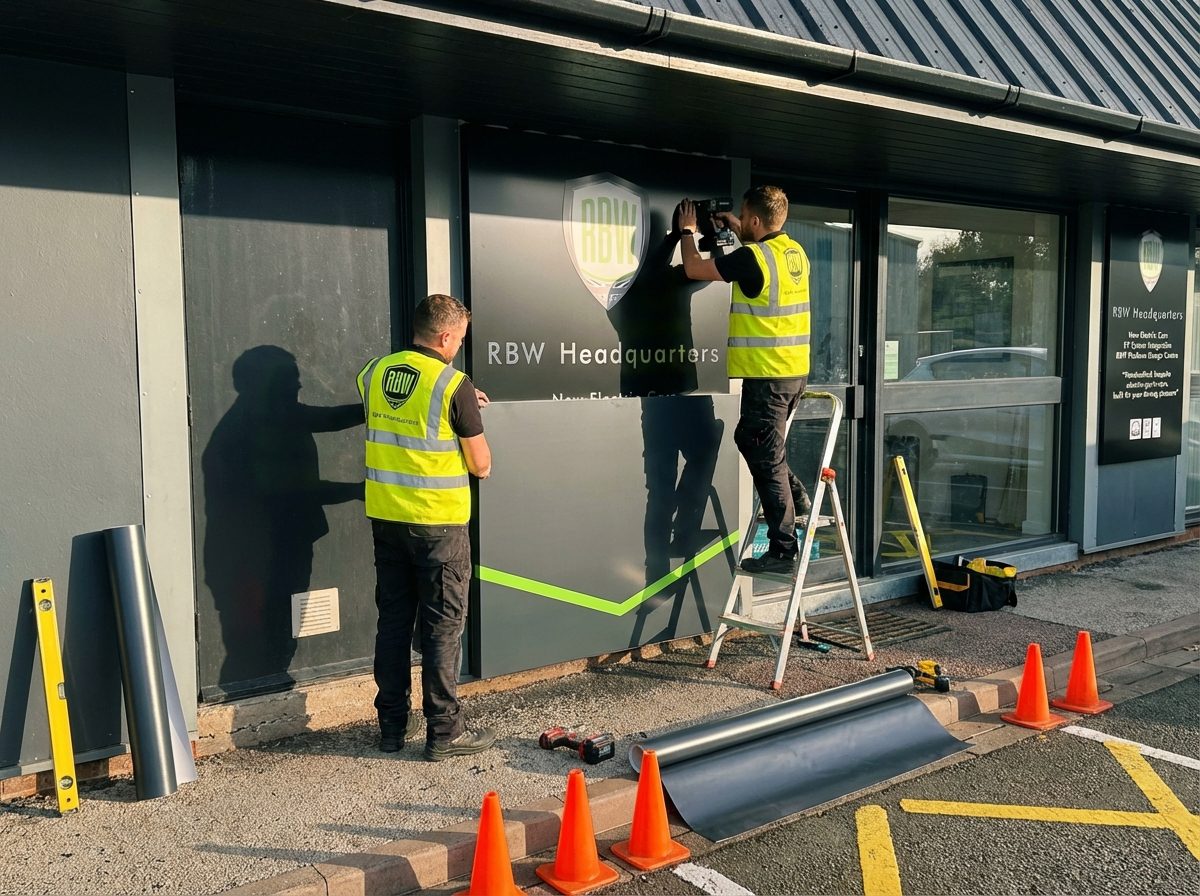
Working outside regular business hours can significantly reduce downtime. By scheduling installations overnight or during off-peak times, you ensure your store remains operational. This approach requires careful coordination but offers substantial benefits, allowing your team to work without customer interference and ensuring your business stays open during crucial hours.
Temporary Hoarding and Dust Control
During refits, temporary hoarding and effective dust control protect your store environment and customer experience. By isolating work areas, you keep the rest of your store clean and safe. This step is essential for maintaining customer trust and ensuring that ongoing operations are not hindered. It also allows your team to work efficiently, knowing the rest of the store remains unaffected.
Managing Snagging and Handover
The final stage of a shop refit is snagging and handover. This involves addressing any small issues before declaring the project complete. By conducting a thorough inspection and resolving any minor faults, you ensure the quality of the finished product. The handover process, when done correctly, leaves you with a polished final result and a store ready to impress customers. Managing snagging effectively means your shop is pristine and operations can resume seamlessly.
In summary, strategic planning, leveraging in-house production, and effective coordination make shop refits more efficient and less disruptive. By focusing on these elements, Midland Signs ensures projects are delivered with minimal downtime, keeping your business trading and your brand consistent across locations.