How to Plan a Shop Refit Without Losing Trading Time: A Practical Guide
Shop refits often stall trading, costing valuable hours and revenue. You don’t have to accept extended closures or rushed, patchy finishes. With careful shop refit planning and a phased works programme, your store can stay open while upgrades happen smoothly and on schedule. This guide shows how Midland Signs combines UK-wide shopfitting and signage expertise with in-house production and out-of-hours installation to keep your business trading without compromise. Learn more about retail refits here.
Phased Refit Planning
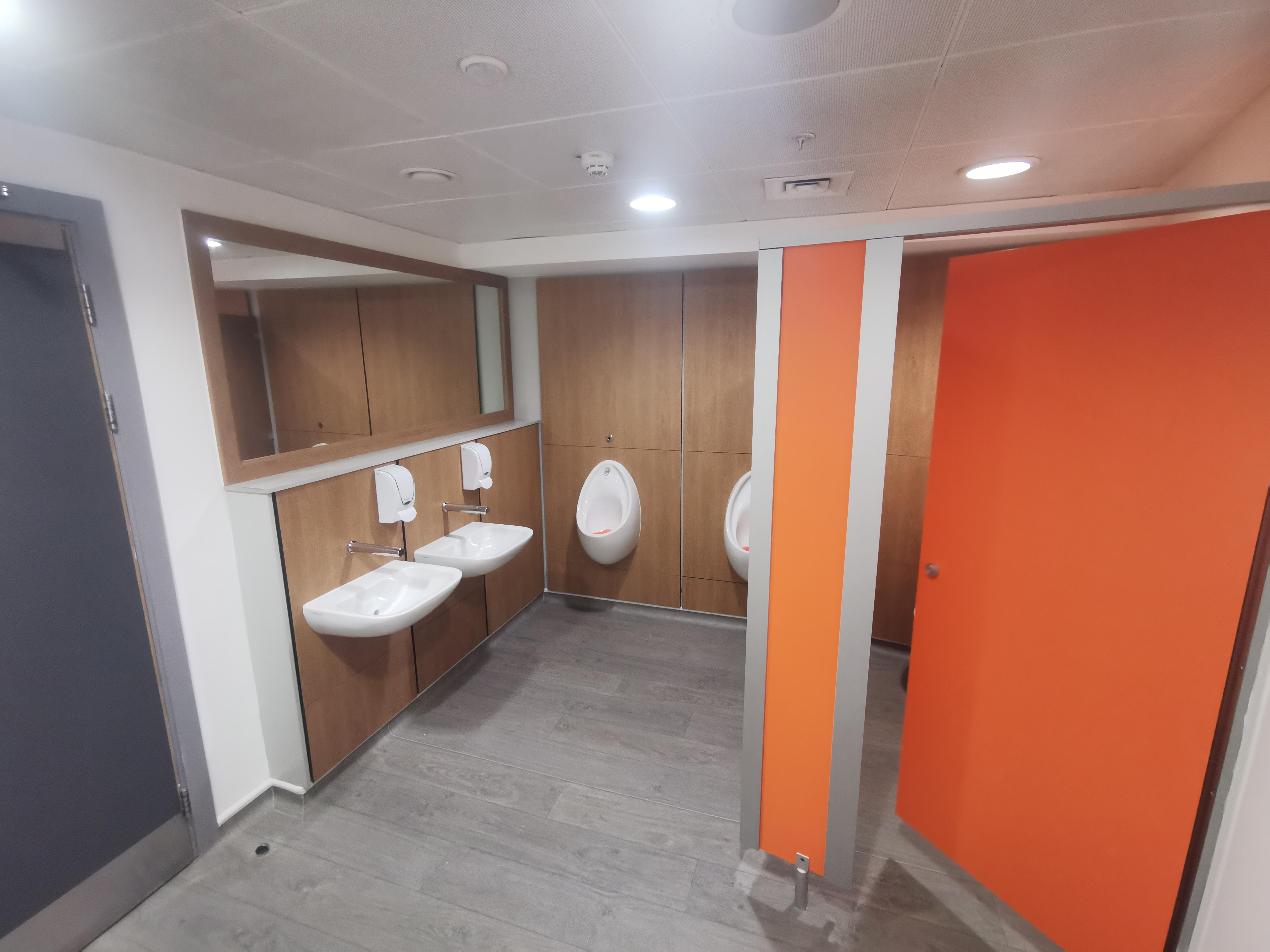
When planning a shop refit, the secret to success lies in detailed organisation. Proper planning ensures that your business remains open while undergoing transformation. Here’s how you can structure a seamless retail refresh programme.
Structuring a Retail Refresh Programme
To maintain trading, consider splitting the refit into manageable phases. This approach allows parts of your shop to remain operational, preventing significant business disruption. Start by identifying key areas that require urgent attention and address them first. This method ensures that essential improvements are prioritised, while secondary areas can be scheduled for later phases. By organising work in this way, you can maintain customer access and keep revenue flowing.
Breaking the process into phases also helps manage resources effectively. With phased refit planning, you can allocate budget and manpower more efficiently. This strategy not only helps in cost management but also ensures a smoother workflow, as you can focus on one task at a time without overwhelming your team. Remember, a well-thought-out plan is crucial for a successful retail refresh.
Minimising Downtime with Phased Works
Minimising downtime is critical in a phased works programme. Focus on non-peak hours to conduct more disruptive tasks, allowing core operations to continue uninterrupted. For instance, use evenings or early mornings for noisier construction activities. This approach ensures that your customers can still access your services during the busiest times.
Consider employing temporary signage to guide customers during ongoing works. This strategy enhances their shopping experience by providing clear directions and ensuring safety. Temporary solutions, such as hoarding and temporary signage, can effectively manage customer flow and prevent confusion, maintaining a positive shopping environment. By planning meticulously, you can keep trading time at its maximum, even amidst a refit.
Coordinating POS and Fit-Out
Coordinating point-of-sale (POS) systems and fit-out tasks is another vital component. Ensure that new systems integrate smoothly with existing ones. This seamless transition prevents delays and maintains transaction efficiency. Plan these updates in phases to avoid overwhelming your staff with too many changes at once.
Communication is key. Keep your team informed about any expected changes and train them accordingly. This preparation reduces the risk of errors and enhances service quality during the transition. By aligning POS upgrades with fit-out stages, you ensure a consistent customer service standard, even during a refit.
Out-Of-Hours Installation
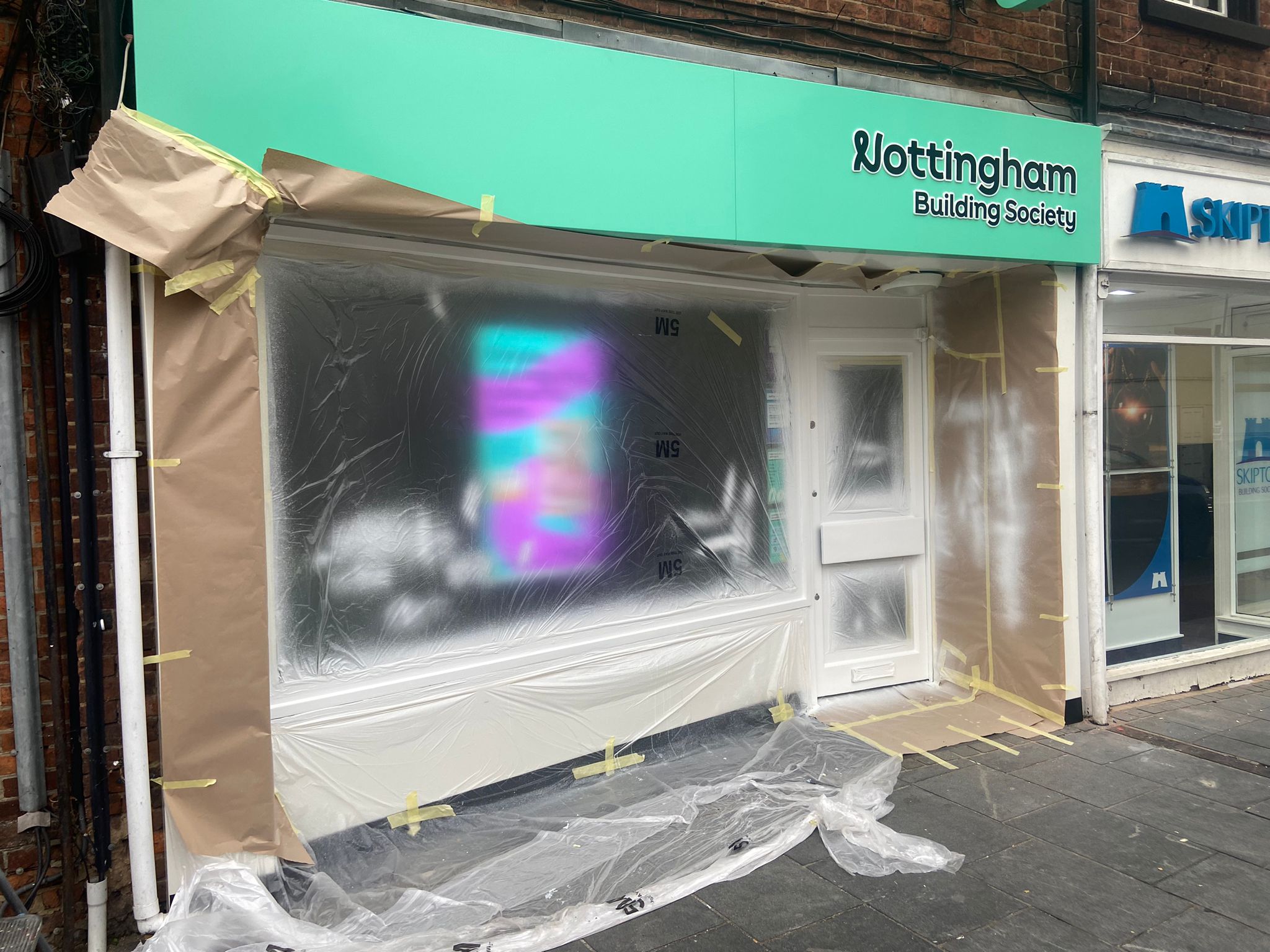
Efficient out-of-hours installations can make a significant difference in your shop refit journey. By completing tasks outside regular business hours, you minimise disruption and maintain trading continuity.
Effective Signage Rollout Management
Managing a signage rollout effectively is crucial for maintaining brand visibility and customer engagement. Coordinate installations during off-peak hours to avoid disruption. This strategy allows for seamless transitions and keeps your storefront attractive and inviting. Consider using in-house signage production for quicker and more consistent results.
Utilise advanced technology like CNC routing and laser cutting for precise and quality signage. This technology ensures that each sign matches your brand guidelines, providing a uniform look across all sites. By managing your signage rollout efficiently, you keep your brand at the forefront, even amidst a refit.
Achieving Brand Consistency Across Sites
Maintaining brand consistency is crucial, especially if you operate multiple locations. Implement standardised branding elements across all sites to create a cohesive image. Use the same materials and designs for signage, interior elements, and displays. This consistency reinforces your brand identity and ensures a familiar customer experience.
Regular audits and updates are essential to maintaining this consistency. Schedule periodic checks to ensure all sites adhere to your brand guidelines. By focusing on consistency, you build a strong brand presence that customers recognise and trust, regardless of location.
Navigating Landlord Approvals and Permits
Navigating approvals and permits can be a complex process, but it’s essential for a smooth refit. Start by understanding the specific requirements for your area, as regulations can vary widely. Engage landlords early in the process to avoid potential roadblocks.
Prepare all necessary documentation, such as detailed plans and safety assessments, to streamline approvals. By being proactive and organised, you can prevent delays and keep your refit on schedule. Remember, clear communication with stakeholders is key to a successful approval process.
Comprehensive Site Survey and RAMS
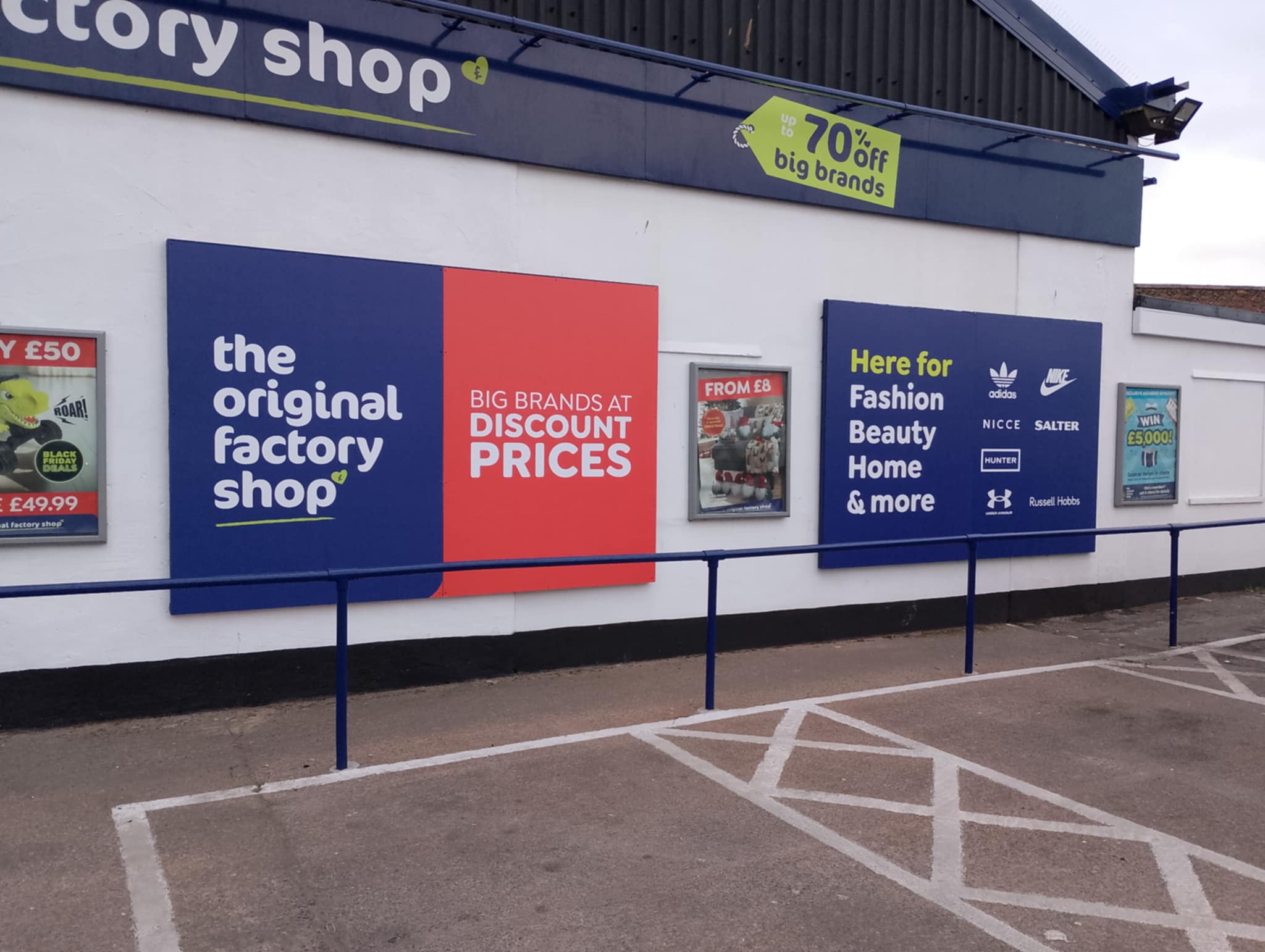
A comprehensive site survey and RAMS (Risk Assessment and Method Statement) are crucial. They ensure safety and compliance, providing a solid foundation for your refit project.
Ensuring CDM Compliance
Compliance with the Construction (Design and Management) Regulations is vital for any refit project. These regulations ensure that health and safety are prioritised, reducing risks during construction. Start by conducting a thorough site survey to identify potential hazards.
Implement a detailed RAMS to outline safety procedures and responsibilities. This document is crucial for protecting your team and customers during the refit. By ensuring CDM compliance, you create a safe and efficient work environment, reducing the risk of accidents.
Utilising CNC Routing and Laser Cutting
Utilising advanced production techniques like CNC routing and laser cutting enhances precision and quality in your refit. These technologies allow for intricate designs and consistent finishes, essential for modern retail spaces.
Choose in-house production to ensure faster turnaround times and maintain control over quality. This approach not only saves time but also ensures that all elements align perfectly with your brand standards. By leveraging these technologies, you achieve superior results that impress customers and elevate your store’s appearance.
Managing Snagging and Handover
Managing snagging and handover efficiently is the final step in a successful refit. Create a detailed snagging list to identify any outstanding issues. Address these promptly to ensure that the final space meets your high standards.
Conduct a thorough handover with your team to ensure everyone understands the new layout and systems. This knowledge is crucial for maintaining operational efficiency post-refit. By managing snagging and handover effectively, you complete your project with confidence, ensuring a smooth transition into normal operations.
In conclusion, with careful planning and strategic execution, you can navigate a shop refit without losing trading time. Use these insights to maximise efficiency and maintain a seamless customer experience throughout the process.