Coordinating Signage Installation Around Trading Hours: A Practical Guide
Signage installation UK often clashes with trading hours, causing unwanted downtime and lost revenue. You need a clear plan that fits your retail signage programme, keeping your business open while work happens. This guide breaks down phased installation, out-of-hours installation, and in-house signage production to help you coordinate without disruption — with Midland Signs as your trusted UK-wide signage contractor. [https://www.fs.usda.gov/t-d/pubs/pdfpubs/pdf10712812/pdf10712812dpi300.pdf]
Planning Around Trading Hours
Navigating around trading hours during signage installation is crucial. A well-thought-out process ensures your business remains open and operational.
Phased Installation Programmes
A phased approach can mitigate disruption. By breaking down the installation into manageable parts, your business can continue to operate smoothly. Phased schedules allow for targeted work, ensuring high-traffic areas are addressed during quieter times.
The concept is simple: assess your busiest times and plan work around them. For example, if mornings are busy, schedule installations for the afternoon. This keeps your business open and customers happy. A phased programme lets you maintain customer flow while updating your signage.
Out-of-Hours Installation Strategies
Sometimes, working around trading hours means working outside them altogether. Out-of-hours installations provide a practical solution. By scheduling work during evenings or overnight, you avoid affecting your daily operations.
This strategy not only minimizes disruption but also ensures that installations are completed swiftly. It’s a game-changer for businesses that can’t afford downtime. With an out-of-hours plan, you can maintain your usual trading schedule while upgrades take place unseen.
Minimising Downtime for Retailers
Downtime can be costly for retailers. By planning ahead and choosing the right installation strategy, you can keep it to a minimum. Evaluate your signage needs and identify the least disruptive times for installation.
Consider options that reduce downtime, such as pre-fabricated elements or quick assembly techniques. These methods ensure your business remains active, preventing revenue loss. The key is to plan smartly and choose solutions that keep your doors open.
In-House Production Capabilities
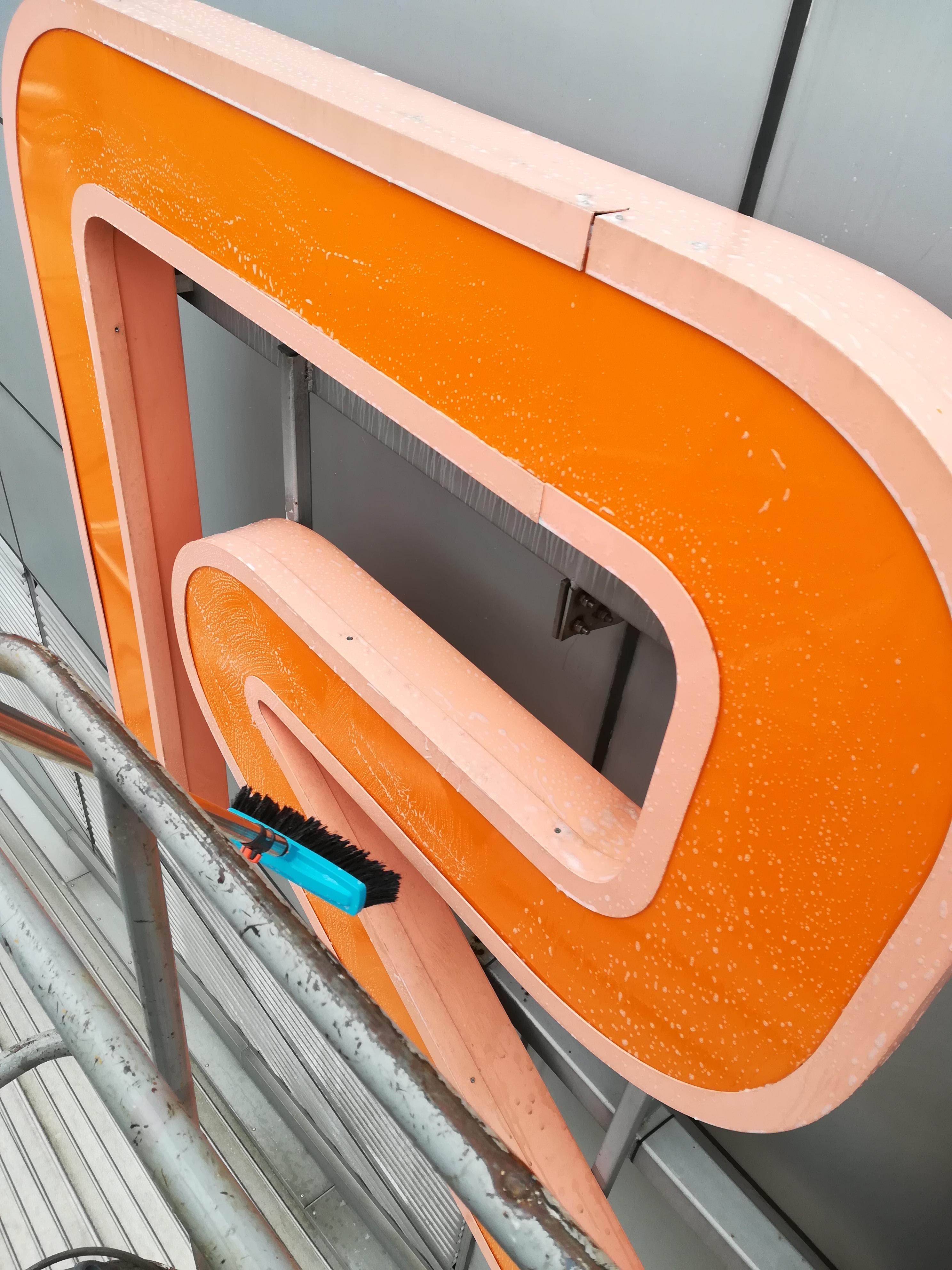
Having robust in-house production capabilities is a significant advantage. It speeds up the process and ensures quality control throughout.
CNC Fabrication and Pre-Wired LED Trays
CNC fabrication offers precision and speed. It allows for intricate designs and consistent results. Pre-wired LED trays further streamline the process, reducing time on site and ensuring consistent illumination.
By using CNC technology, you gain access to complex designs that enhance your brand presentation. Pre-wired LED trays simplify installation, making it quicker and more efficient. These technologies ensure your signage is both eye-catching and reliable.
Advanced Colour-Managed Print Techniques
Consistent colour is vital for brand identity. Advanced colour-managed print techniques guarantee that your signage reflects your brand accurately across all locations.
This approach ensures that your signage matches your brand colours precisely. It’s particularly important for multi-site rollouts where consistency is key. Advanced printing methods make sure your brand is represented perfectly every time.
Consistent Branding for Multi-Site Rollouts
Rolling out signage across multiple sites requires careful planning. Consistency is essential for maintaining a strong brand image.
Ensure all your locations have signage that looks identical. This builds brand recognition and trust among your customers. By focusing on consistency, you reinforce your brand’s presence in every location.
Practical Coordination and Execution
Effective coordination and execution can significantly influence the success of your signage project.
RAMS and Method Statement Signage
Risk Assessment Method Statements (RAMS) are crucial for safe and efficient installations. They outline potential risks and how to mitigate them, ensuring a smooth process.
A well-prepared RAMS document prevents accidents and delays, keeping your project on track. It’s an essential tool for any signage installation, ensuring safety and efficiency.
Traffic Management and Permits to Work
When installing signage, traffic management and permits are often necessary. They ensure that work can proceed without disruption to public access or safety.
Proper traffic management minimizes the impact on surrounding areas and ensures safety for workers and the public. Obtaining the necessary permits allows work to proceed without legal issues, ensuring a smooth installation process.
Night Works and Landlord Liaison Signage
Night works can be an effective strategy for installations. By working overnight, you minimize disruption to your business and meet deadlines efficiently.
Liaising with landlords is essential to ensure that night works are permissible. This collaboration ensures that installations proceed smoothly and legally, allowing your business to continue operating without interruption.
In summary, planning around trading hours is essential for successful signage installations. By utilising strategies like phased programmes and out-of-hours work, you can minimize disruption and maintain business continuity. In-house production capabilities further streamline the process, ensuring quality and consistency. With effective coordination and execution, your signage project will be a success, reinforcing your brand and keeping your operations running smoothly.
GeT intouch