Multi-site signage consistency often feels like chasing shadows: colours shift, materials vary, and layouts clash across locations. You know this inconsistency risks diluting your brand’s impact and confusing customers. This guide will show how practical controls and expert in-house sign production lock in brand consistency across sites—making your signage rollout programme reliable and on schedule every time. Learn more about how.
Ensuring Brand Consistency Across Locations
In the world of multi-site branding, consistency is king. When every location reflects your brand accurately, you build trust and recognition. Let’s explore how this can be achieved.
The Importance of Sign Family Standards
Sign family standards serve as a blueprint for your brand’s visual identity. They ensure that every sign, from the largest banner to the smallest placard, speaks the same visual language. By defining these standards, you create a cohesive look that customers recognise instantly. Consider setting parameters for font sizes, logo placement, and imagery. This level of detail prevents deviations that could confuse your audience. Establishing these standards is the first step in maintaining brand consistency across locations.
Colour Management for Signage
Colour plays a crucial role in branding. Consistent colour management ensures your signage stands out while staying true to your brand identity. Imagine seeing a brand’s signature blue appear purple at another location. This inconsistency can erode trust. Use tools like Pantone and RAL colour matches to maintain uniformity. By relying on ISO colour profiles, you can replicate exact shades no matter where your signage is produced. This precision helps cement your brand’s visual identity.
Material Specification and Production Techniques
Choosing the right materials and techniques is vital. Durable materials ensure that your signs withstand the test of time, while production techniques influence the overall look. For example, opting for acrylic over cheaper alternatives can enhance longevity. Consistent use of CNC routed letters provides a sharp, professional finish across all sites. By specifying materials and techniques, you avoid the pitfalls of inconsistent quality and appearance, reinforcing your brand’s reliability.
Strategies for Multi-Site Signage Consistency
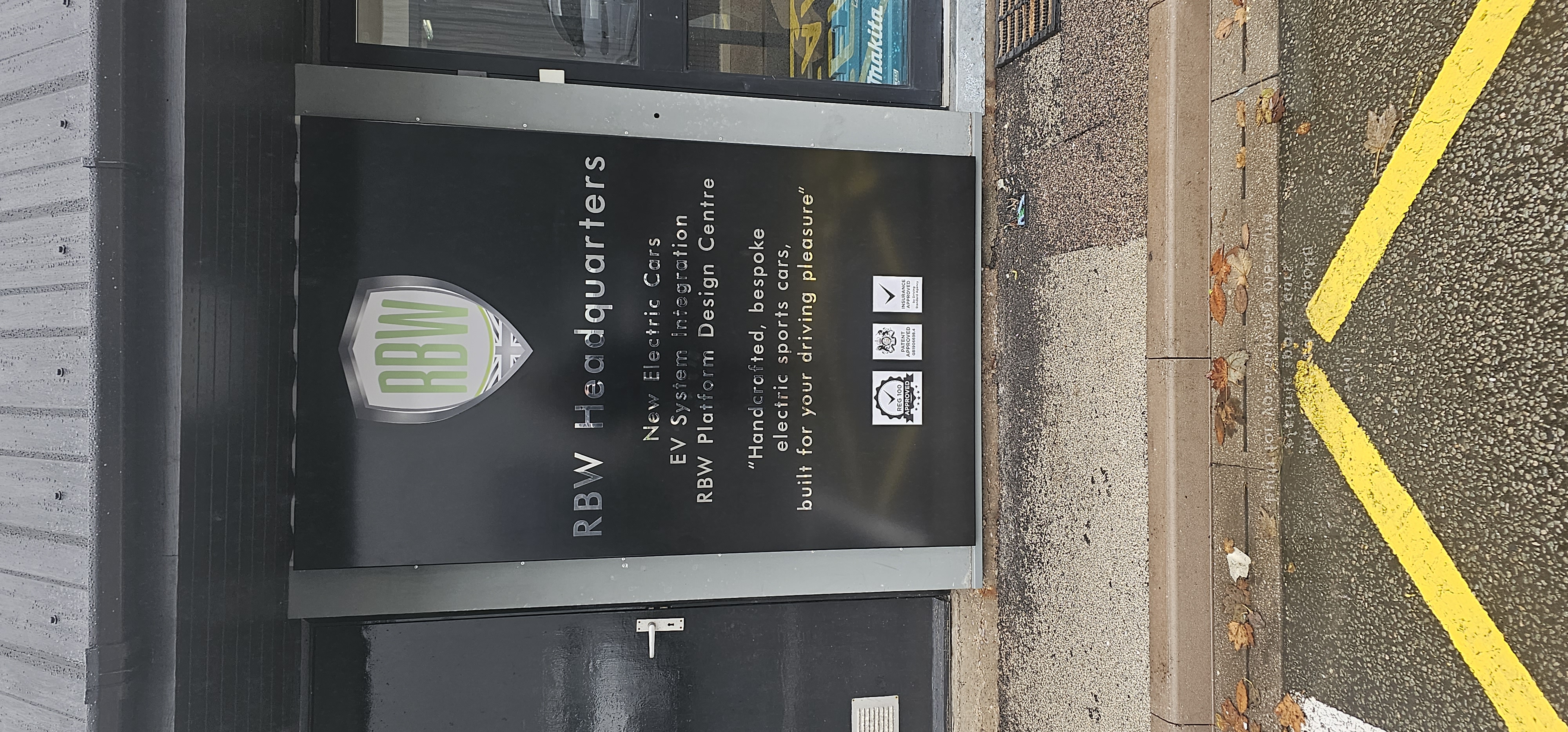
To maintain brand consistency, strategic planning is essential. Here, we’ll discuss effective methods to keep your signage uniform and appealing.
Effective Site Surveys and Audits
Conducting thorough site surveys and audits lays the groundwork for consistent signage. These evaluations identify potential obstacles and ensure each location meets brand standards. During a survey, document dimensions, lighting conditions, and placement opportunities. This data guides the installation process, reducing the chance of errors. Regular audits help catch discrepancies early, allowing for timely corrections. This proactive approach is key to maintaining uniformity across sites.
Installation Method Statements and Quality Assurance
Quality installation ensures your signs look and function as intended. Detailed method statements, known as RAMS, outline each step of the process. They provide clear instructions, reducing misunderstandings and errors. A quality assurance checklist further verifies that every sign meets brand standards. Regularly reviewing these checklists ensures ongoing compliance. Adhering to these practices guarantees that each location reflects your brand accurately.
Maintenance Schedule for Long-Lasting Signage
A maintenance schedule keeps your signage looking fresh and functional. Regular upkeep prevents wear and tear from diminishing your brand’s impact. Schedule routine inspections to spot issues early. Clean and repair signs as needed to preserve their appearance and effectiveness. By prioritising maintenance, you extend the lifespan of your signage and uphold brand consistency across all locations.
The Role of Advanced Technology in Signage Production
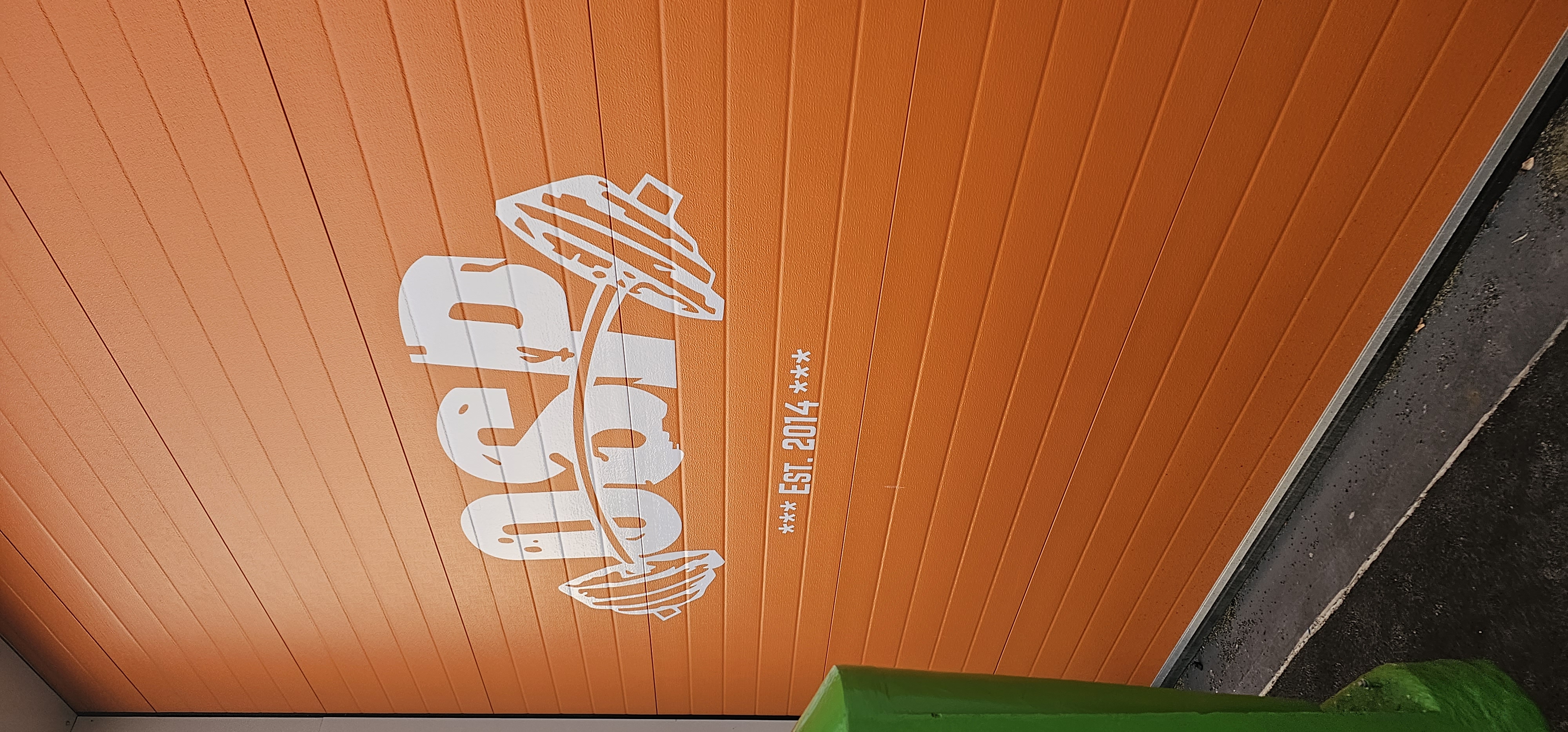
Advanced technology revolutionises signage production, offering precision, speed, and control. In-house capabilities take these benefits even further.
Benefits of In-House Sign Production
In-house sign production offers unmatched control and efficiency. With everything under one roof, quality control is tighter and turnaround times are faster. This approach eliminates the uncertainties of outsourcing, ensuring consistent results. Your team can make quick adjustments without waiting for external vendors. This agility keeps your signage rollout programme on track and on brand, providing a reliable solution for multi-site operations.
CNC Routed Letters and Vinyl Wrapping
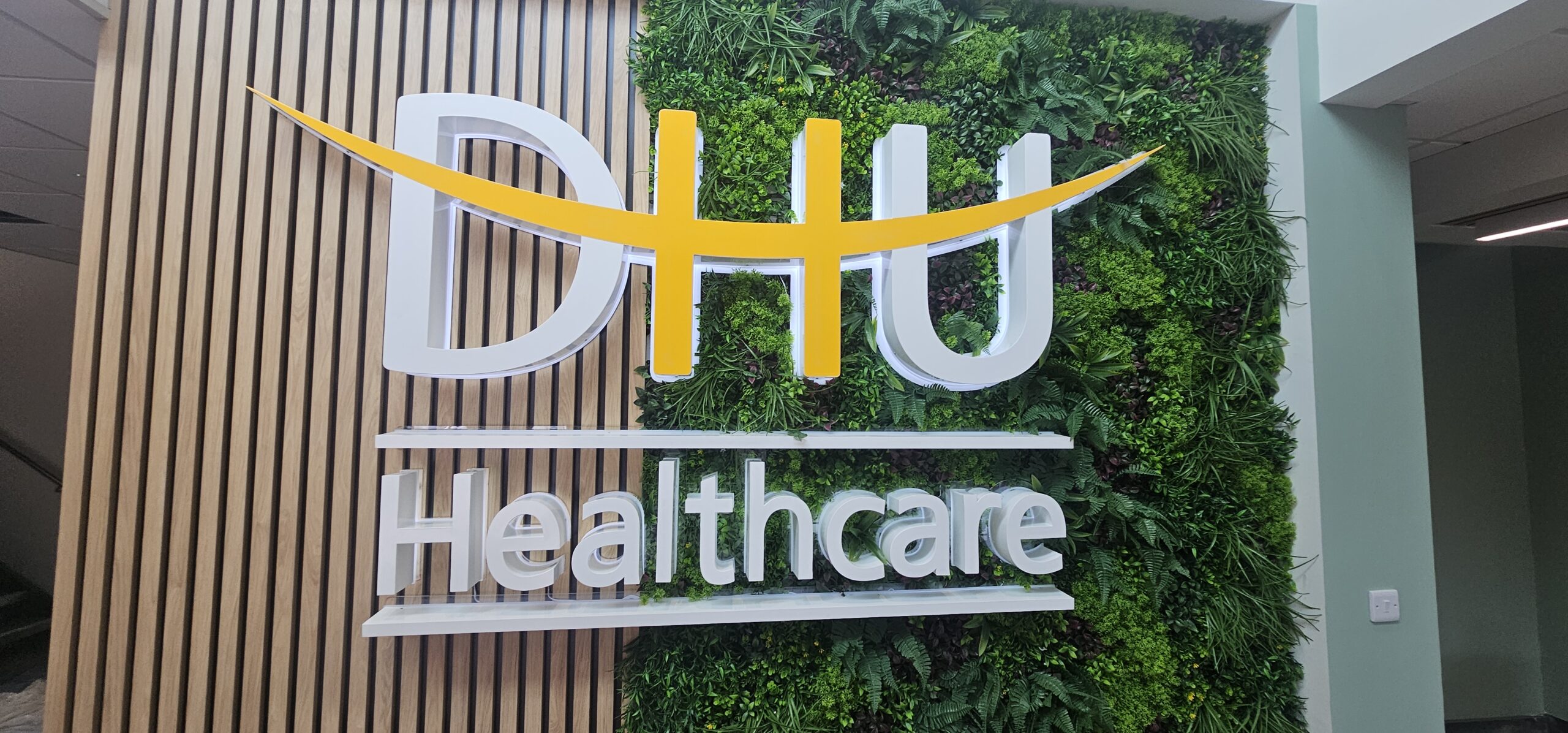
Using CNC routed letters and vinyl wrapping elevates your signs’ aesthetic and durability. CNC technology ensures precise, consistent cuts for clean and professional signage. Vinyl wrapping offers vibrant, long-lasting colours that resist fading. Together, these technologies create impressive signs that reflect your brand accurately. By investing in these advanced techniques, you enhance the quality and consistency of your signage.
Illumination and Wayfinding Standards
Illumination and wayfinding add functionality to your signage. Consistent lighting ensures visibility in all conditions, while clear wayfinding guides customers effortlessly. Set standards for illuminated signs, specifying brightness and colour temperature. Establish wayfinding protocols to ensure signs are intuitive and helpful. By standardising these elements, you enhance the user experience and reinforce your brand’s commitment to quality.
Frequently Asked Questions
How can I ensure my signage is consistent across multiple locations?
To ensure consistency, establish sign family standards, manage colours carefully, and use specified materials and techniques. Conduct regular site surveys and audits to catch discrepancies early.
What role does technology play in signage production?
Advanced technology like CNC routing and vinyl wrapping offers precision and durability. In-house production further enhances control, ensuring consistent, high-quality results across all locations.
Why is a maintenance schedule important for signage?
A maintenance schedule prevents wear and tear from diminishing your signage’s impact. Regular inspections and repairs keep signs looking fresh and functional, maintaining brand consistency and visibility.
How does in-house production differ from outsourcing?
In-house production offers tighter quality control and faster turnaround times, eliminating uncertainties associated with outsourcing. This approach ensures consistent outcomes and quick adjustments.
What are sign family standards, and why are they important?
Sign family standards define the visual identity of your signage, ensuring a cohesive look across locations. They specify elements like font sizes and logo placement, preventing brand inconsistencies.