Planning a commercial shop refit often means juggling deadlines, trading hours, and quality demands. When downtime cuts into your trading environment, costs rise and customer trust wavers. This guide outlines proven steps for phased installation and out-of-hours works that keep your doors open and your branding sharp. Trust Midland Signs as your UK-wide refit contractor, handling everything from survey and site measure to in-house signage production and seamless programme planning. Learn how to minimise downtime.
Planning for a Commercial Shop Refit
Minimising Downtime in Retail
Keeping your shop open during a refit is crucial to maintaining revenue and customer satisfaction. The key is to work smartly around your trading hours. Phased installations can be your secret weapon. By breaking down the refit into manageable segments, you minimise disruption and keep your business running.
Phased installation means tackling one area at a time. This way, you can continue serving customers while parts of the shop undergo transformation. For instance, you can start with less busy sections and gradually move to the more critical areas. This approach helps maintain a steady flow of business without overwhelming changes. Additionally, scheduling work during off-peak hours further reduces the impact on your operations.
Phased Installation Strategies
Phased installations offer a practical solution to avoid excessive downtime. First, identify which sections of your shop can undergo changes without affecting customer experience. For example, begin with storage or back-office spaces before moving to the shop floor. This allows you to continue trading while renovations take place.
Next, coordinate with your contractor to plan the timeline precisely. Align work schedules with your business’s quiet periods, such as weekends or late evenings. This strategic planning ensures that your shop remains open and inviting to customers. Be sure to communicate any temporary changes to your customers, so they stay informed and supportive throughout the process.
Key Considerations for Refit Success
Importance of RAMS and CDM Compliance
Refit success hinges on safety and compliance. Risk Assessment Method Statements (RAMS) and Construction Design and Management (CDM) regulations are essential for any project. They ensure that all safety protocols are in place, protecting your staff, customers, and contractors.
RAMS outline potential risks and how to mitigate them. This document serves as a blueprint for safe operations, detailing steps to keep everyone safe during the refit. CDM compliance is equally critical. It governs the planning and management of construction work, ensuring that safety is prioritised from start to finish.
Effective Programme Planning Techniques
Programme planning is crucial for a seamless refit. Start by drafting a detailed schedule that highlights key milestones. This timeline will guide every phase of the project, helping to prevent delays and confusion.
Include buffer times for unexpected challenges. A well-planned project anticipates potential hiccups, allowing you to address them without derailing the entire schedule. Communicate regularly with your contractor to ensure everyone is on the same page. Clear communication keeps the project on track and helps you swiftly address any issues that arise.
Leveraging In-House Production Capabilities

Benefits of Out-of-Hours Works
Out-of-hours work is a game-changer for shop refits. By conducting renovations during closing hours, you maintain a welcoming environment for your customers. This approach minimises disruption and keeps your staff focused on their daily tasks.
Consider out-of-hours work as an investment in your business continuity. It allows for more flexible scheduling and reduces the pressure on your team during trading hours. Your contractor can work efficiently overnight, leaving your shop ready for business the next day. This strategy not only preserves your sales but also enhances the overall customer experience.
Advanced Technology in Signage Production
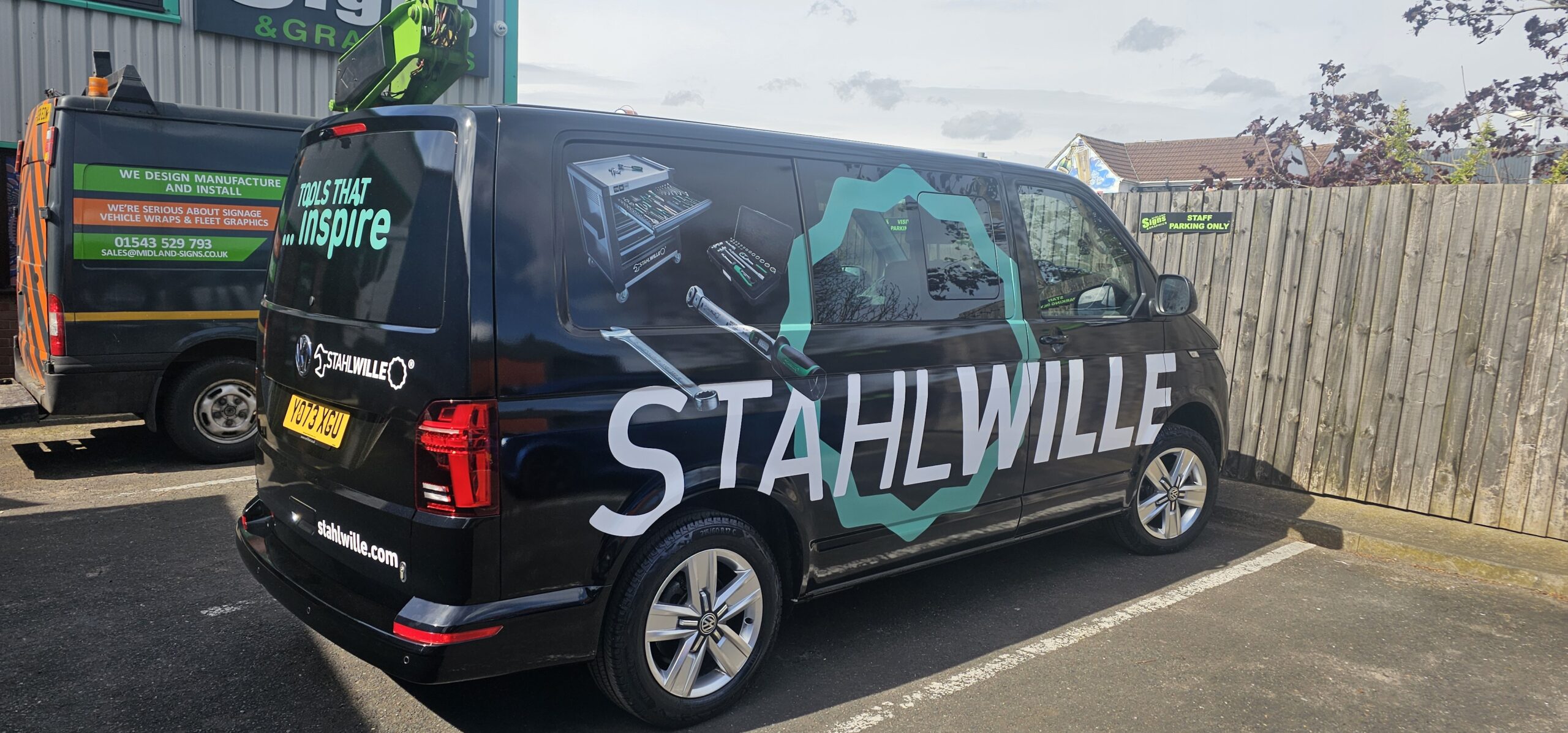
In-house signage production leverages advanced technology to improve quality and speed. Techniques like CNC routing and UV flatbed printing allow for precise, custom designs that elevate your brand. These technologies ensure that every sign meets your specifications, enhancing your shop’s visual appeal.
LED illuminated signs are another technological marvel. They offer bright, energy-efficient lighting that draws attention to your shopfront. With in-house production, you control every detail, from design to installation. This control translates to a consistent, high-quality finish that reflects your brand’s identity.
Frequently Asked Questions
What is phased installation in shop refits?
Phased installation involves breaking down the refit into smaller, manageable stages. This method allows for continuous business operations while renovations occur in specific areas at different times.
Why are RAMS and CDM compliance important?
RAMS and CDM compliance are vital for ensuring safety during a refit. They provide a framework for identifying risks and managing construction work safely, protecting everyone involved in the project.
How does out-of-hours work benefit my business?
Out-of-hours work reduces disruption to your day-to-day operations. By scheduling renovations during non-trading hours, you maintain a seamless customer experience and minimise the impact on your staff.
What technologies enhance in-house signage production?
In-house signage production benefits from technologies like CNC routing and UV flatbed printing. These methods allow for precise, customised signage that enhances your shop’s appearance and branding.
How can I ensure my refit project stays on schedule?
Effective programme planning is key. Create a detailed timeline with milestones, buffer times for unexpected challenges, and regular communication with your contractor to keep the project on track.